‘Class 9 pass. No English’: Founder recalls hiring taxi driver as first employee 10 years ago
Source Entity
Latest News: Todays Latest News Headlines from India & World | Hindustan Times | Hindustan Times
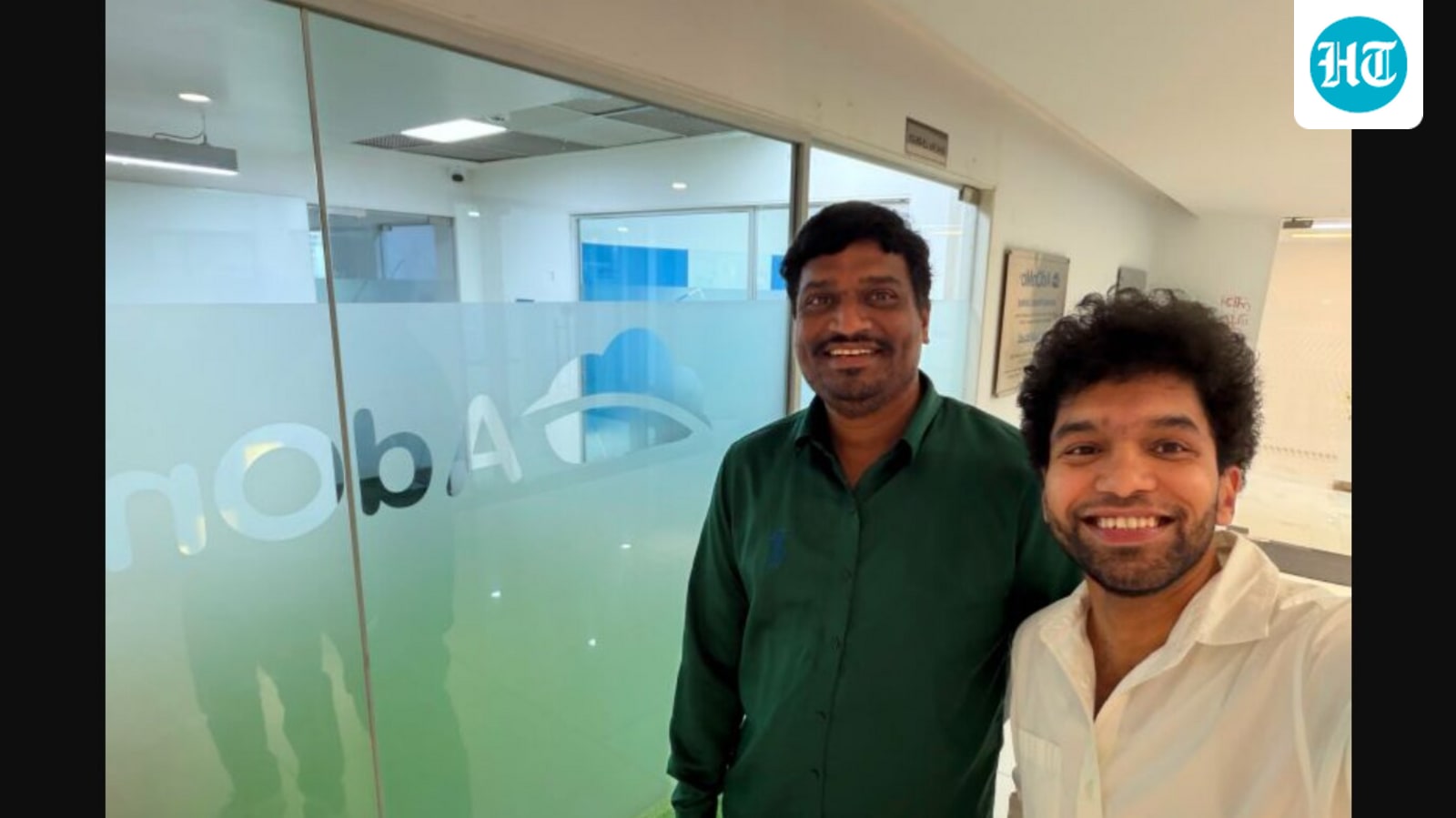
Hyderabad-based founder Sravanth Gajula shared the inspiring story of hiring a taxi driver with no formal education or corporate experience as his first employee. Through decade-long mentorship, the individual evolved into a key executive, highlighting the power of unconventional hiring and human potential.
The Power of Unconventional Hiring
In a recent viral LinkedIn post, Hyderabad-based founder Sravanth Gajula highlighted the transformative potential of non-traditional hiring practices. Ten years ago, Gajula made the bold decision to hire a taxi driver as his company's first employee—a candidate who possessed no formal corporate background, minimal formal education (Class 9 pass), and no proficiency in English. This decision, which defied standard recruitment metrics, serves as a powerful case study in leadership and talent development.
Breaking Barriers Through Mentorship
The core of this success story lies not in the initial qualifications of the employee, but in the sustained commitment to development. Gajula’s narrative emphasizes that the individual’s growth was facilitated by direct mentorship, formal spoken English training, and an environment of high trust. By investing in the human capital of an individual who would have been overlooked by traditional recruiters, the organization successfully converted raw potential into executive-level performance.
Challenging Traditional Hiring Metrics
Gajula’s reflection serves as a critique of modern corporate hiring, which often relies heavily on rigid credentials and pedigree. In a competitive market where companies frequently optimize for 'culture fit' and premium academic backgrounds, this story reminds stakeholders that aptitude and loyalty are often undervalued. The skepticism Gajula faced from peers at the time underscores how deeply ingrained these traditional biases are within the business community.
The Long-Term ROI of Human Investment
Ten years later, the former driver has evolved into one of the most valued executives within the organization. This trajectory provides empirical evidence that long-term investment in employees yields significant returns that are not captured on a resume. The case suggests that for early-stage startups, the ability to identify grit and raw talent is often more critical than hiring for immediate technical or linguistic fluency.
Broader Implications for the Future of Work
As the corporate world moves toward more inclusive hiring practices, Gajula’s experience offers a blueprint for how businesses can bridge the gap between varying social strata. By prioritizing the development of 'unemployable' talent, companies can foster extreme loyalty and gain unique perspectives that traditional hiring channels might exclude. This shift in perspective is essential for building resilient, diverse, and high-performing teams in the coming decade.
Conclusion
Ultimately, Sravanth Gajula’s story is a testament to the fact that leadership is defined by the ability to see potential where others see limitations. By looking past the lack of a formal degree or corporate experience, the founder not only gained a loyal executive but also reinforced the importance of empathy and mentorship in business culture. As the professional landscape evolves, such stories remain vital reminders of the human element in successful enterprise building.
Verification Required?