Why are fertility centres in Hyderabad in crosshairs over human egg harvesting? Explained
Source Entity
India Latest News: Top National Headlines Today & Breaking News | The Hindu
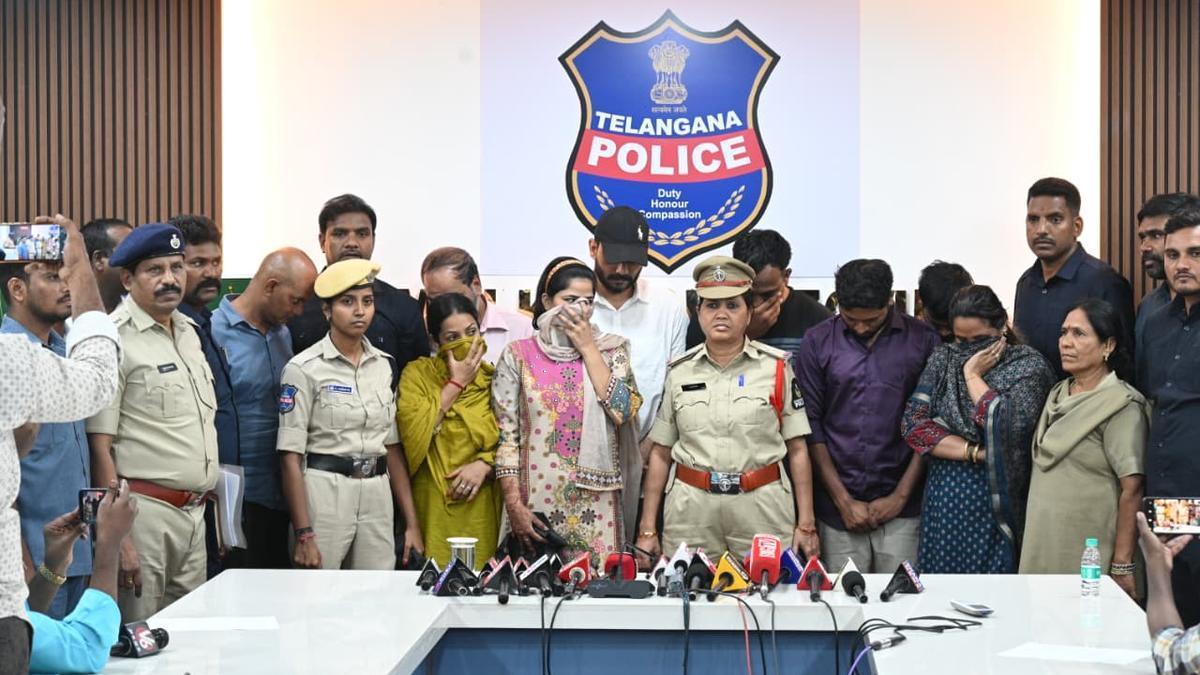
Hyderabad police have dismantled an illegal oocyte trafficking racket, rescuing 43 women exploited for egg harvesting. The investigation highlights systemic vulnerabilities in the IVF industry, where vulnerable women are lured by financial distress and medical debt.
The Dark Side of Fertility: Hyderabad’s Oocyte Trafficking Racket
Recent police operations in Hyderabad have exposed a disturbing reality within India’s booming fertility sector. Following raids across five locations, including Prakash Nagar and Begumpet, authorities rescued 43 women who had been lured into an illegal egg-harvesting network. These women, hailing from various states, were kept in confinement and subjected to oocyte extraction procedures, often under the guise of financial opportunity to escape crushing debt.
The Anatomy of Exploitation
The victims, such as a 25-year-old from Kolkata struggling to fund her father’s kidney transplant, represent a demographic targeted by underground brokers for their financial desperation. These brokers prey on families facing medical emergencies or extreme poverty, promising payments of Rs 20,000 to Rs 30,000 per donation cycle. By exploiting the lack of financial liquidity in marginalized households, the traffickers effectively commodify human biology, turning the desperation of the poor into a lucrative enterprise for illicit fertility operations.
Regulatory Gaps and Industry Complicity
Hyderabad’s emergence as a premier healthcare hub has inadvertently created a fertile ground for unregulated fertility practices. While legitimate Assisted Reproductive Technology (ART) centers provide essential services like IVF, ICSI, and IUI, the proliferation of these facilities has outpaced regulatory oversight. The involvement of at least 23 IVF centers linked to the current racket and the issuance of notices to 13 out of 44 identified facilities suggest a systemic failure in monitoring the procurement of human biological material.
A Pattern of Systemic Abuse
This incident is not an anomaly but rather part of a broader, concerning trend across India. Similar cases have been reported in Erode, where a minor was allegedly forced into repeated donations, and in Varanasi, where traffickers falsified identity documents to bypass legal age requirements. These recurring incidents highlight how brokers exploit the anonymity of large cities and the complexity of medical procedures to bypass the strict ethical guidelines mandated for legal egg donation.
The Human and Legal Toll
The seizure of ovarian stimulation drugs like Humog HP 150 IU underscores the physical risks imposed on these women. Repeated and medically unsupervised stimulation can lead to long-term health complications, yet these are ignored by brokers focused solely on profit. The rescue of these 43 women is a critical step, but it raises questions about the long-term rehabilitation of victims and the need for more stringent enforcement of the ART (Regulation) Act.
Future Trends and Necessary Reforms
Moving forward, the fertility industry in India faces a reckoning. To prevent further exploitation, authorities must implement mandatory digital tracking for all donors and ensure that IVF centers are held strictly accountable for the source of the gametes they utilize. Without rigorous, transparent oversight and public awareness campaigns targeting vulnerable populations, the shadow economy of human egg trafficking will likely continue to evolve, hiding behind the veneer of legitimate medical advancement.
Multiple Citing Sources
Verification Required?