Congress criticises reclamation of IAF sports complex
Source Entity
Latest News: Todays Latest News Headlines from India & World | Hindustan Times
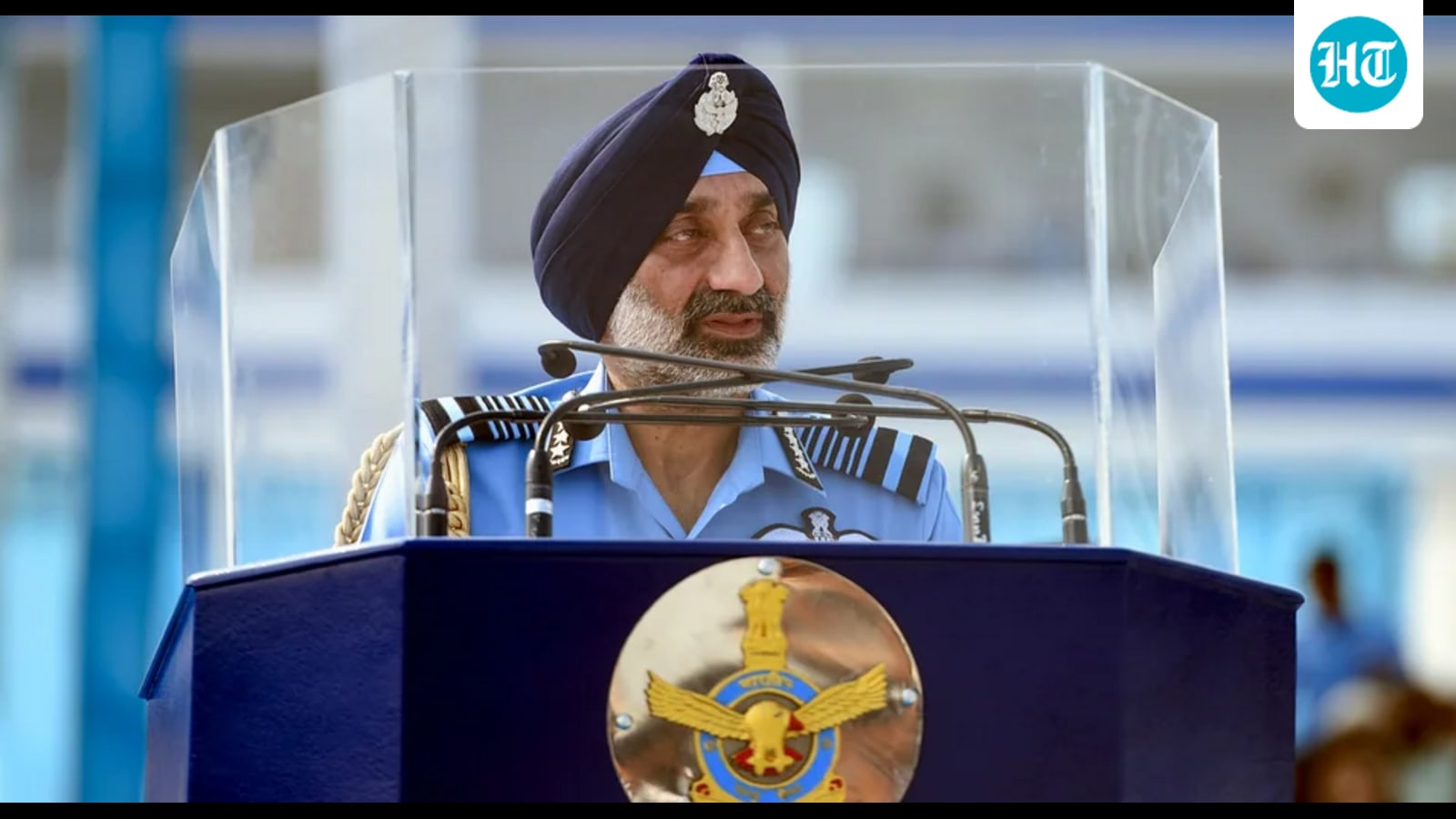
Congress leader Jairam Ramesh has criticized the government's reclamation of an IAF sports complex near the Prime Minister's residence. This move follows a formal request from former Air Chief Marshal AP Singh to Defence Minister Rajnath Singh to protect the facility's IAF control, citing operational and social importance.
Controversy Over IAF Sports Complex Reclamation
A significant administrative and political dispute has emerged regarding the reclamation of a sprawling sports complex located within the Race Course Air Force Station, situated in close proximity to the Prime Minister’s residence. The facility, which encompasses amenities such as a golf course and a swimming pool, has become the center of a tug-of-war between the Ministry of Housing and Urban Affairs (MoHUA) and the Indian Air Force (IAF).
The Former Air Chief’s Final Plea
In a move highlighting the gravity of the situation, Air Chief Marshal AP Singh wrote a formal letter to Defence Minister Rajnath Singh just days before his retirement on October 31. In this communication, he explicitly urged the government to reconsider the reclamation process and ensure the land remains under the jurisdiction of the IAF. He cited operational imperatives and the critical utility of the existing facilities as the primary reasons for retaining control.
Political Backlash and Social Infrastructure
Congress leader Jairam Ramesh has publicly criticized the government's actions, characterizing the reclamation as a disgrace and an act of disrespect toward the IAF. Ramesh emphasized that the sports complex has served as an integral component of the IAF’s social infrastructure for decades, facilitating community bonding and morale among personnel. The criticism underscores a growing narrative regarding the perceived erosion of institutional autonomy within the armed forces.
Operational and Symbolic Impact
The friction surrounding this land transfer has had immediate, tangible consequences. Reports indicate that the sealing of the facility was so abrupt that it forced the cancellation of a planned farewell event for the outgoing Air Chief Marshal. This incident highlights the disconnect between urban development initiatives and the established social and operational rhythm of the defense services.
Broader Implications for Defence Land
This event brings to the forefront the long-standing tension between urban development authorities and the military regarding the use of prime real estate. While the MoHUA seeks to repurpose land for broader urban goals, the military views these spaces as essential buffers and infrastructure for its personnel. The outcome of this specific dispute will likely set a precedent for how future land reclamation projects are handled near sensitive defense installations.
Conclusion and Future Outlook
The situation remains a point of contention within defense circles and the political arena. As the government continues to balance infrastructure development with institutional military needs, the loss of this facility represents a shift in the traditional control the IAF has maintained over its internal social assets. Future trends suggest that tensions regarding land use at defense stations will require more robust inter-ministerial coordination to avoid such public disputes.
Verification Required?