Real-Time Intelligence with IBM Time Series Models on Confluent
Source Entity
Hugging Face - Blog
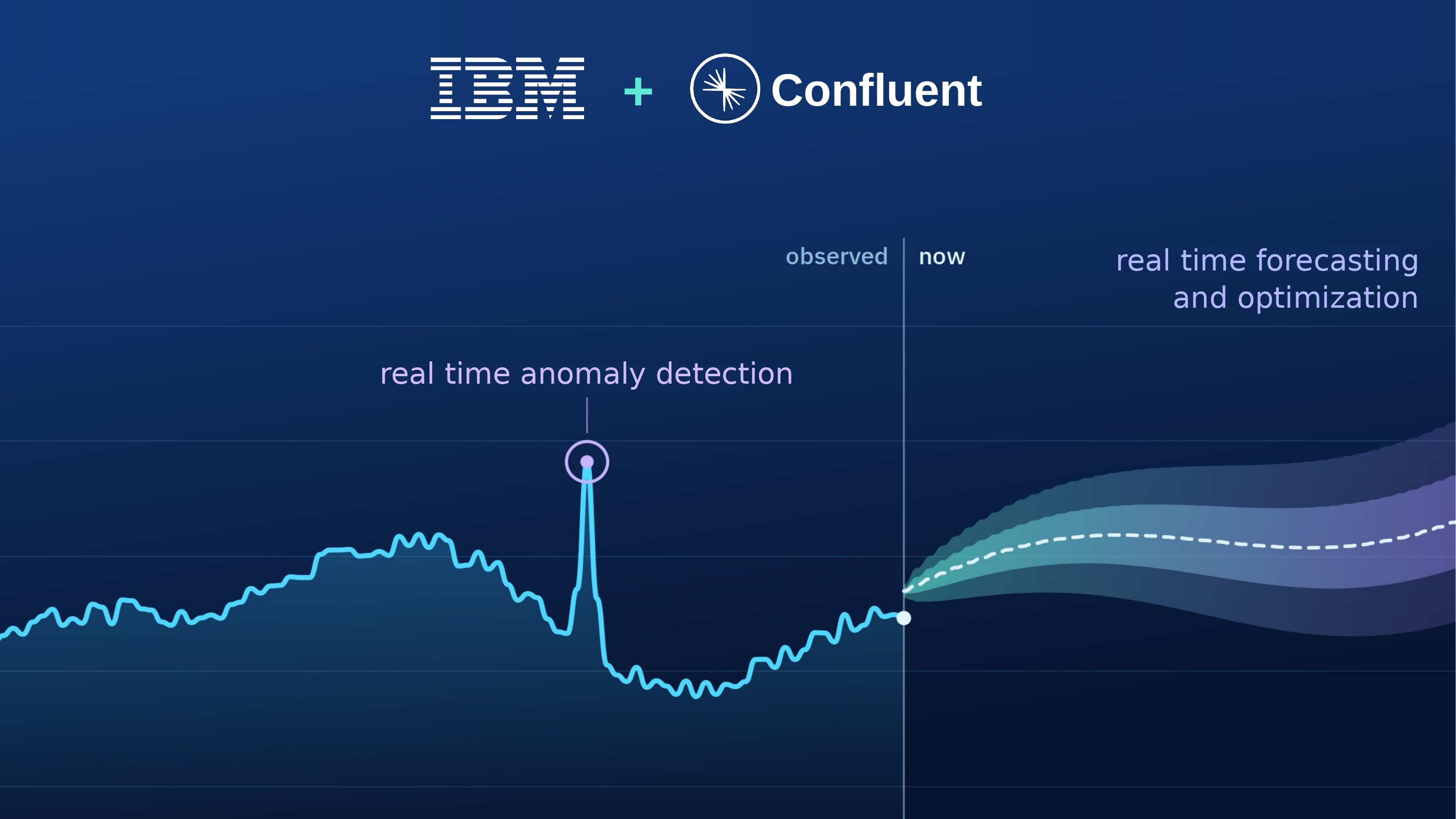
IBM and Confluent have integrated foundation models directly into Confluent Cloud to enable real-time intelligence on streaming data. This shift moves enterprise decision-making from outdated, labor-intensive bespoke modeling to automated, stream-native analytics.
The Shift Toward Stream-Native Intelligence
The integration of IBM’s time series models into the Confluent platform marks a significant evolution in how enterprises handle high-velocity data. Historically, businesses have struggled to derive actionable insights from streaming data in real-time, often relying on static, batch-processed analysis. By embedding foundation models directly into Confluent Cloud, IBM and Confluent are enabling organizations to move beyond the limitations of unstructured data processing, targeting the 'bigger prize' of mission-critical streaming intelligence.
Overcoming the Economics of Bespoke Modeling
For years, the industry standard for predictive modeling has been defined by 'outdated economics.' Creating individual, bespoke models for specific data streams has required months of expert labor. Because this process is so resource-intensive, companies have traditionally been forced to limit their modeling to only the most critical few hundred data series. This necessitated the use of safety margins, excessive inventory, and broad tolerances to account for the unmodeled data, often resulting in decisions being made only after the relevant window of opportunity had closed.
Real-Time Decision Making
Streaming data is the heartbeat of operational efficiency. From determining inventory procurement levels and identifying fraudulent payment patterns to predicting mechanical failure in industrial pumps and optimizing production line throughput, these decisions require split-second accuracy. The collaboration between IBM and Confluent addresses these use cases by running models where the data already lives. This proximity reduces latency and allows enterprises to act on patterns as they emerge, rather than waiting for historical data reconciliation.
Operationalizing Foundation Models
Foundation models, which have already revolutionized the handling of unstructured data like text and images, are now being applied to the structured, time-sensitive realm of streaming data. By deploying these models within Confluent Cloud, and with planned support for Confluent Platform, the partnership aims to lower the barrier to entry for AI-driven operations. This transition allows organizations to move away from the 'safety margin' approach—which relies on inefficient buffers—toward a more precise, data-driven operational model.
Broader Industry Implications and Future Trends
This development suggests a future where AI is not a separate layer of infrastructure but an intrinsic component of the data pipeline itself. By automating the application of foundation models to streaming data, businesses can scale their analytical capabilities across millions of data points without a proportional increase in manual data science labor. As these models become more accessible, we can expect a shift toward 'autonomous operations' where systems self-adjust based on real-time feedback loops, fundamentally changing the cost-benefit analysis of enterprise data management.