Buying An EV? Check Your Home's Power Load Before You Plug In
Source Entity
NDTV News Search Records Found 1000
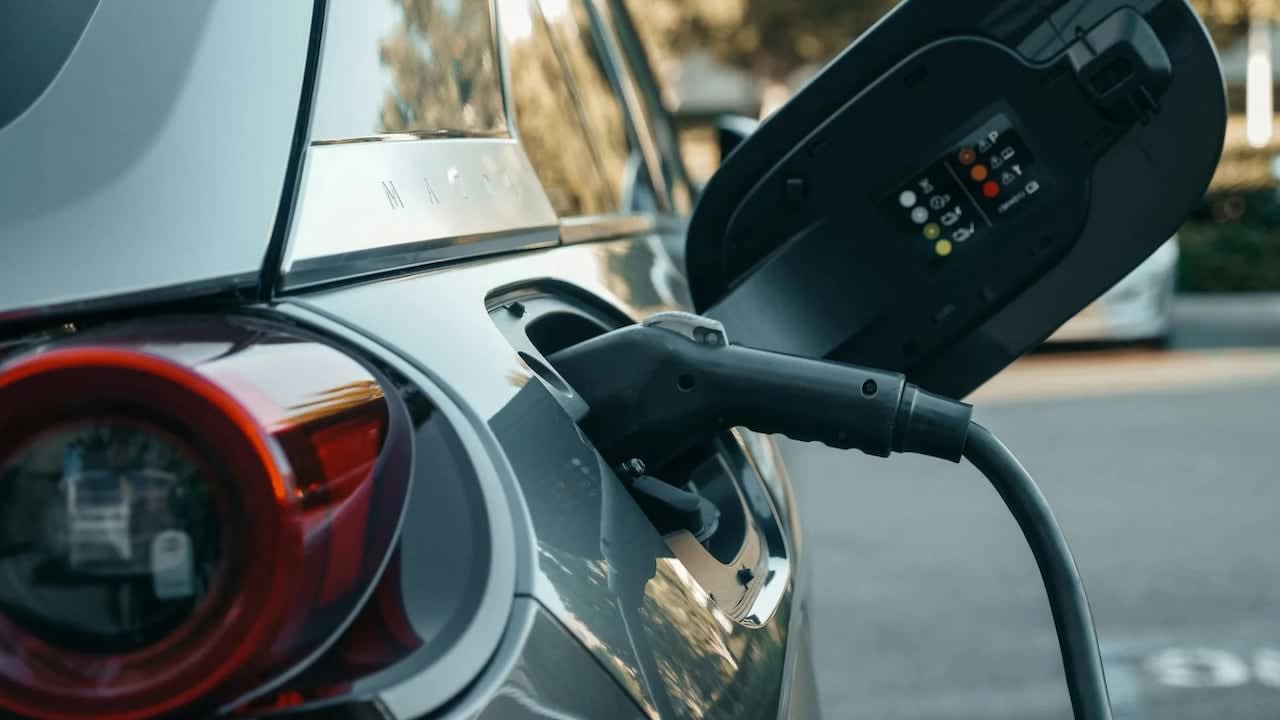
Integrating electric vehicle chargers into residential properties requires careful assessment of existing electrical infrastructure. Many homes may lack the necessary power capacity to handle the high load of a dedicated EV charger.
The Hidden Infrastructure Challenge of EV Adoption
As the global transition toward sustainable transportation accelerates, the convenience of home charging is often touted as a primary benefit of electric vehicle (EV) ownership. However, a critical technical hurdle exists that potential buyers frequently overlook: the capacity of their existing residential electrical infrastructure. Most standard residential setups are configured with a sanctioned electrical load of approximately 3-4 kW, which is designed to handle common household appliances like lighting, refrigeration, and entertainment systems.
The Load Demand Discrepancy
The fundamental issue arises when adding an EV charger to this existing ecosystem. A typical residential EV charger can demand an additional 7.5 kW of power. When this demand is superimposed onto a household already operating near its sanctioned limit, the total load can exceed the capacity of the main circuit breaker or the transformer serving the residence. This creates a significant risk of frequent power trips, damage to wiring, or even potential fire hazards if the system is not properly upgraded.
Technical and Safety Implications
Beyond the immediate inconvenience of tripped breakers, the mismatch between sanctioned load and charging demand poses long-term concerns for electrical safety. Residential electrical panels and wiring are designed to operate within specific thermal limits. When a circuit is chronically overloaded by high-draw devices like EV chargers, the resulting heat buildup can accelerate the degradation of insulation and wiring components, necessitating expensive professional intervention or a total system overhaul.
Regulatory and Utility Hurdles
For consumers, the process of rectifying this power deficit is not merely a matter of hiring an electrician. It often involves engaging with local utility providers to increase the sanctioned load for the property. This process can be administratively complex and may involve additional costs, including infrastructure upgrade fees or the installation of a new, higher-capacity service connection. Ignoring these requirements in favor of a 'plug-and-play' approach is a dangerous gamble that ignores the physics of electrical distribution.
Future Trends and Smart Solutions
Looking forward, the industry is moving toward 'smart' charging solutions that can dynamically manage power distribution based on real-time household demand. By integrating load-balancing technology, these chargers can throttle their power consumption when other high-draw appliances are active, potentially mitigating the need for massive infrastructure upgrades. Nevertheless, until such technology becomes the standard, the onus remains on the consumer to conduct a thorough electrical audit before making the switch to electric mobility.
Verification Required?