Fake 10 Downing Street listing exposes 'unfit' Booking.com, says consumer group
Source Entity
BBC News
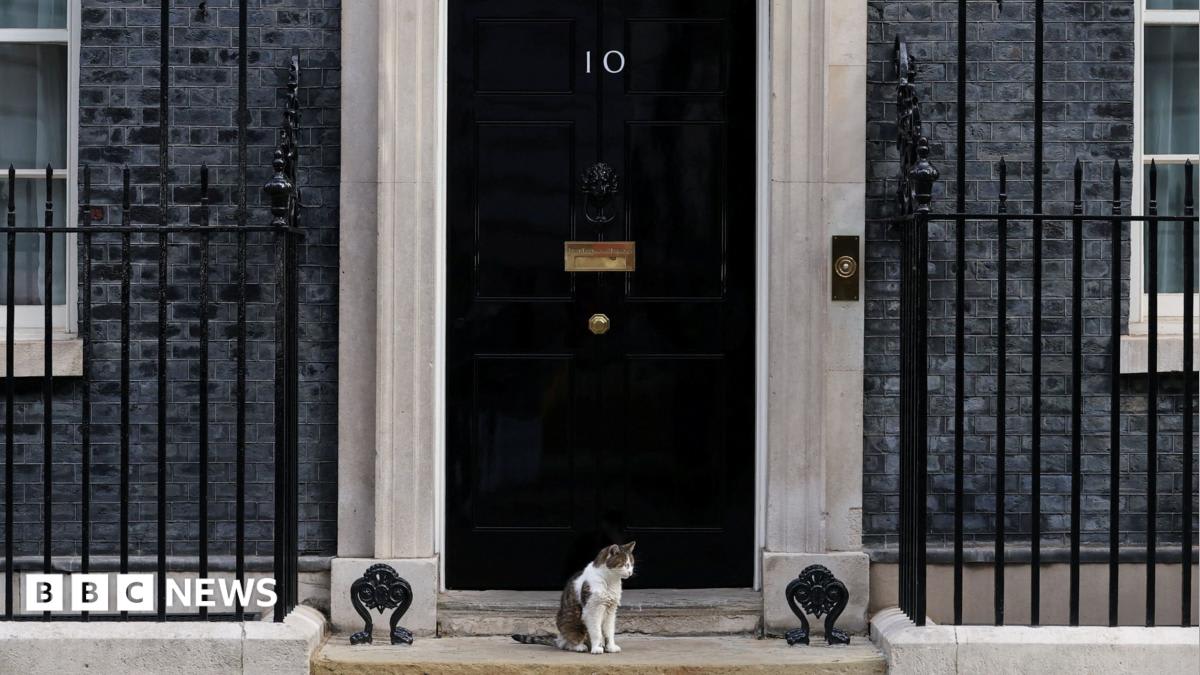
Consumer group Which? successfully listed 10 Downing Street as a rental property on Booking.com to highlight security flaws. Booking.com claims the incident was a limited test that does not reflect the safety of its broader platform.
The Vulnerability of Digital Trust: The Downing Street Listing Incident
An Unprecedented Security Breach
The consumer advocacy group Which? recently exposed a significant vulnerability in the vetting processes of global travel platform Booking.com. By successfully creating a fake rental listing for 10 Downing Street—the official residence of the UK Prime Minister—researchers demonstrated that the platform's verification protocols could be bypassed. The ability to list such a high-profile, restricted government location raises immediate questions regarding the efficacy of automated fraud detection systems used by major online marketplaces.
Implications of Fraudulent Listings
The incident went beyond a simple prank; researchers were able to book a stay and even generate a fake review detailing an interaction with the government residence's resident cat, Larry. This highlights a critical failure in the platform's content moderation and identity verification measures. When a site as large as Booking.com fails to flag a listing for one of the world's most famous addresses, it exposes the risks that ordinary travelers face when booking accommodations, potentially opening the door for sophisticated phishing scams or financial fraud.
Booking.com’s Defense and Technical Limitations
In response, Booking.com characterized the incident as a "limited test" that does not represent the millions of legitimate listings on its service. The company argued that because the listing was not "live" in a public-facing manner for the duration of the two months it existed, their automated fraud controls were not fully triggered. This defense points to a systemic reliance on reactive, rather than proactive, security measures, suggesting that current algorithms may struggle to identify "closed" or "hidden" listings that still exist within their database.
The Broader Landscape of Platform Accountability
This event fits into a growing trend of consumer watchdogs testing the digital defenses of tech giants. As online travel agencies (OTAs) continue to dominate the tourism sector, the pressure to balance rapid user growth with rigorous security is mounting. When platforms prioritize friction-free onboarding for hosts, they inadvertently lower the barrier for bad actors to establish a presence, creating a "trust deficit" that can damage the platform's reputation and consumer confidence.
Future Trends in Digital Security
Looking ahead, the fallout from this incident suggests that regulatory bodies may soon demand more stringent "Know Your Customer" (KYC) requirements for property listing platforms. The transition toward AI-driven moderation must be paired with human oversight for high-risk categories to prevent such embarrassing and potentially dangerous lapses. As digital marketplaces evolve, they will need to implement more robust cross-referencing tools that can detect obviously fraudulent addresses or prohibited public buildings before they ever reach the platform's live index.
Conclusion
The Downing Street listing serves as a stark reminder that even the largest technology platforms are susceptible to human-led security audits that expose significant blind spots. While Booking.com remains a dominant force in travel, the requirement for better safeguards is undeniable. To maintain the integrity of the travel industry, platforms must move beyond standard automated triggers and adopt a more comprehensive approach to verifying the legitimacy of the properties they host.