Sonic Pi
Source Entity
Hacker News
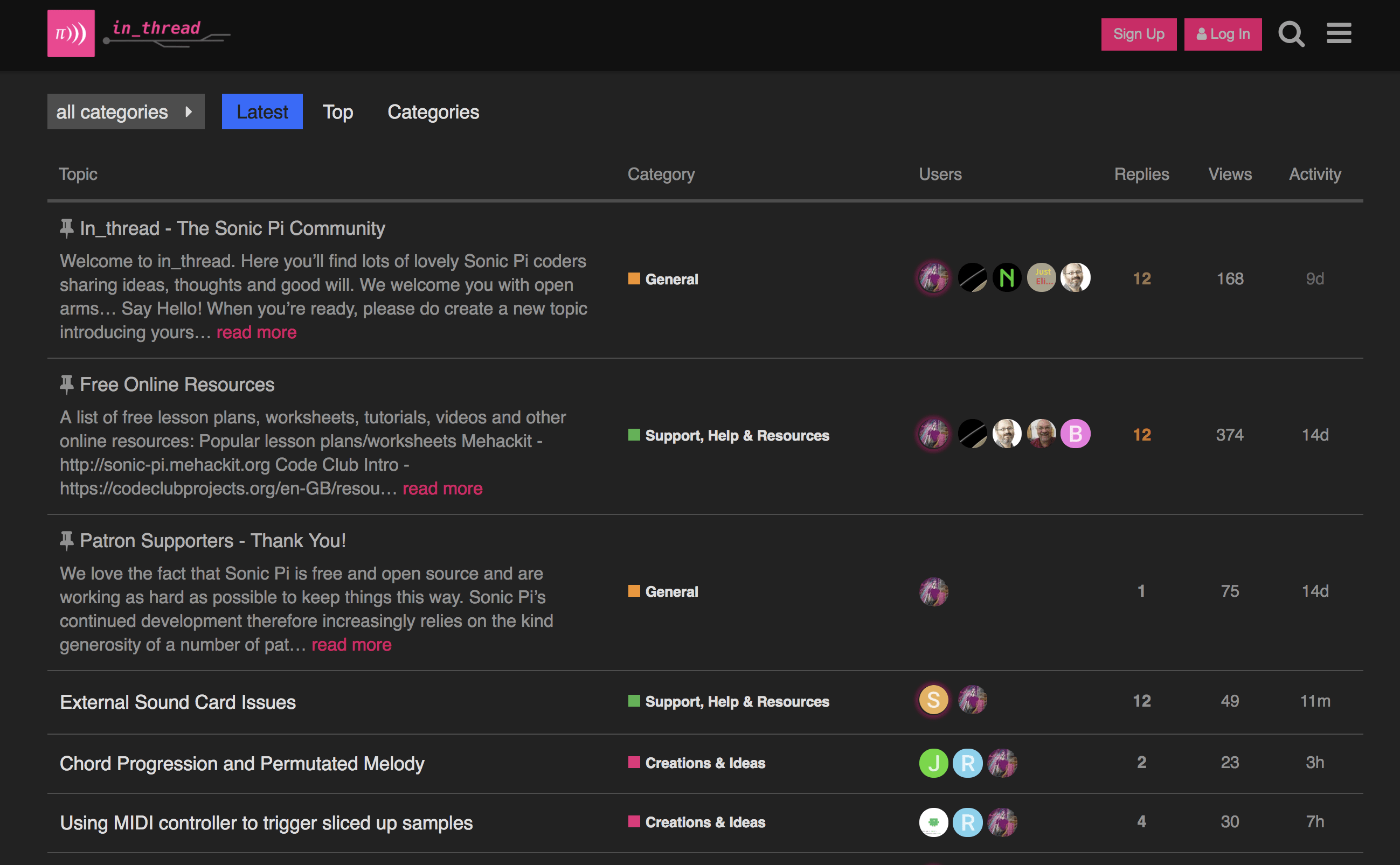
Sonic Pi is a versatile, free, code-based music creation and performance tool developed by Sam Aaron. It serves as an accessible bridge between computer programming and musical composition for users ranging from students to professional musicians.
The Evolution of Sonic Pi: Coding as an Instrument
Sonic Pi represents a revolutionary intersection between computer science and musical artistry. Developed by Sam Aaron and the Sonic Pi Core Team, the platform functions as a live-coding environment that allows users to write code to synthesize sound and compose music in real-time. By transforming text-based programming into auditory experiences, the tool demystifies the complexity of software development while providing a powerful canvas for creative expression.
Accessibility and Inclusivity in Music Technology
One of the most significant aspects of Sonic Pi is its commitment to accessibility. The platform is explicitly designed to be usable by blind and partially sighted individuals, a demographic often overlooked by traditional digital audio workstations (DAWs) that rely heavily on graphical user interfaces. By centering the experience on text-based code, Sonic Pi creates an inclusive environment where musical talent is not hindered by visual impairment, setting a standard for future educational and creative software.
Pedagogical Impact: Learning Through Sound
Beyond its utility for professional DJs and musicians, Sonic Pi has become a staple in computing and music education. It effectively simplifies the learning curve for programming by providing immediate, tangible feedback—the sound of the code. Students can explore various genres, from Classical and Jazz to Hip hop and EDM, which encourages engagement with both algorithmic thinking and music theory. This dual-purpose utility makes it an essential tool for modern classrooms looking to integrate STEM and arts curricula.
Professional Application and Performance
While accessible to beginners, Sonic Pi is robust enough for professional performance. The ability to manipulate sequences, synths, and samples via code allows for a unique style of 'live coding' performances where the audience can witness the creative process as it unfolds on screen. This shift from static tracks to dynamic, code-driven soundscapes allows DJs and composers to experiment with improvisational techniques that are difficult to achieve in traditional production software.
Future Trends in Algorithmic Creativity
The continued development of Sonic Pi suggests a broader trend toward the democratization of creative technology. As we move further into an era where software literacy is as vital as creative expression, tools like Sonic Pi serve as a bridge. By keeping the software free and community-driven, the team ensures that the barrier to entry remains low, potentially fostering a new generation of hybrid artists who are as comfortable with a compiler as they are with a MIDI controller.
Conclusion
In summary, Sonic Pi is more than just a piece of software; it is a catalyst for creative innovation that merges the logic of programming with the emotional resonance of music. Its success lies in its ability to be simultaneously simple for the student and powerful for the professional, ensuring its place as a cornerstone of modern digital music creation. By prioritizing accessibility and collaborative development, Sam Aaron and his team have created a legacy that continues to reshape the landscape of digital performance.