India and Pakistan to face each other three times? ICC's new WC format explained
Source Entity
TOI SPORTS DESK
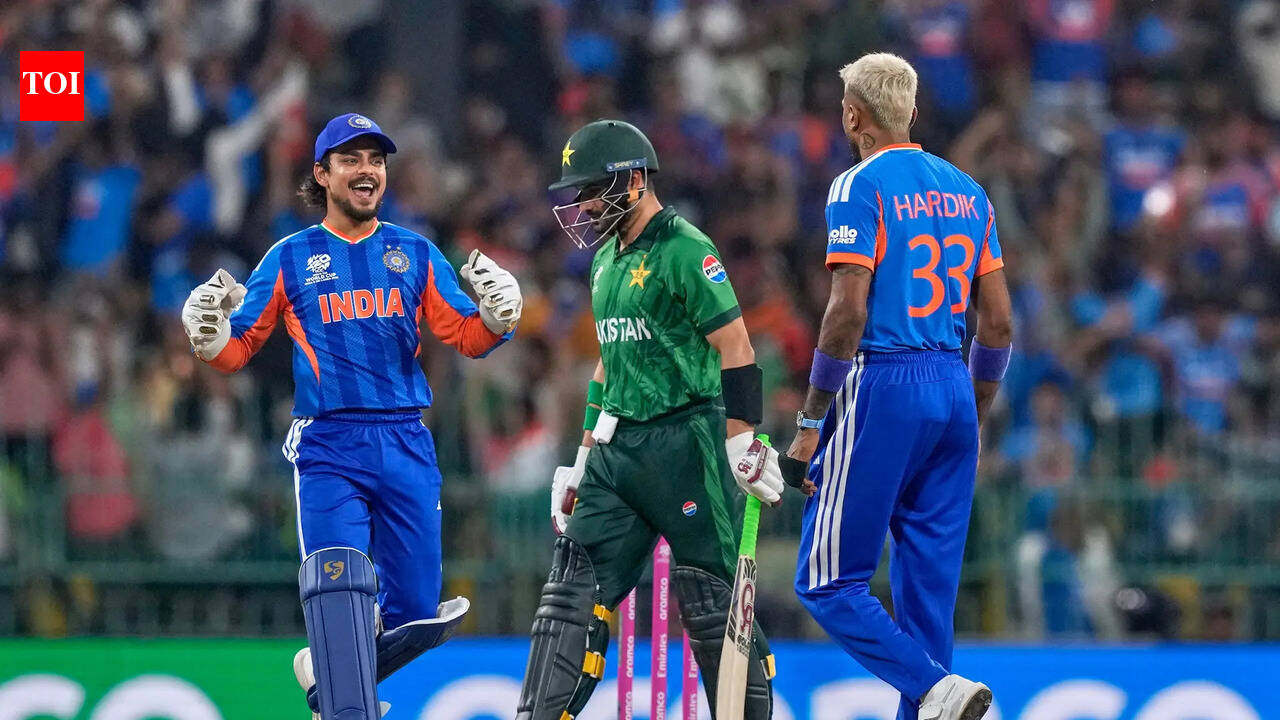
The ICC's proposed new format for the 2027 ODI World Cup aims to increase the stakes of every match but faces criticism for prioritizing high-revenue clashes, such as India vs. Pakistan, over the genuine competitive growth of emerging cricket nations.
Analyzing the ICC's 2027 ODI World Cup Format Shift
The International Cricket Council (ICC) is currently navigating a complex transition in the structure of the One Day International (ODI) World Cup leading up to 2027. The core objective of the new format is to eliminate 'dead rubber' matches—games where the outcome has no bearing on tournament progression—and ensure that every fixture carries significant weight from the opening day. However, this strategic pivot has sparked a heated debate within the cricketing community, as the proposed changes appear to prioritize commercial viability and high-stakes rivalries over the equitable growth of the sport.
The Commercial Magnet: India vs. Pakistan
One of the most contentious aspects of the new format is the increased probability of top-tier rivals, most notably India and Pakistan, facing each other multiple times in a single tournament. Historically, the India-Pakistan clash is the most-watched sporting event globally, generating massive broadcasting revenue and sponsorship interest. By structuring the tournament to allow for potential repeat encounters—possibly in the group stages, a secondary 'Super' stage, and the knockout rounds—the ICC is effectively maximizing its commercial window. While fans of these teams may welcome more frequent clashes, critics argue that the format is being engineered to serve financial interests rather than sporting merit.
The Paradox of Expansion and Inclusion
While the tournament is expanding to include more teams, there is a growing concern that this 'inclusion' is superficial. The provided context highlights that emerging nations may face limited meaningful participation. In an expanded format where the path to the knockout stages is heavily skewed toward established powerhouses, smaller nations often find themselves playing matches that serve as mere fillers. This creates a tiered system where associate members are invited to participate for the sake of global representation, but have virtually no mathematical path to victory or significant impact on the tournament's outcome.
Strategic Implications for Match Significance
To combat the issue of meaningless games, the ICC is implementing a structure where every match contributes more directly to a team's survival in the competition. This is likely to involve a more aggressive elimination process or a points system that rewards high-impact wins. While this increases the tension and drama for the viewer, it places immense pressure on teams that may lack the depth of the 'Big Three' (India, Australia, and England). The risk is that the tournament becomes a series of high-pressure sprints rather than a marathon that tests a team's consistency over several weeks.
Historical Context and the Evolution of ODIs
This shift comes at a time when the ODI format is fighting for relevance against the meteoric rise of T20 cricket. The ICC's desire to make the World Cup 'more significant' is a response to declining interest in the 50-over format among younger audiences. Historically, the World Cup was the pinnacle of the sport, but as the schedule has become crowded with franchise leagues, the ICC must innovate to keep the 2027 event a premier global attraction. The focus on repeat high-profile matches is a tactical move to maintain viewership numbers in an increasingly fragmented media landscape.
Future Trends and the Road to 2027
Looking ahead, it is probable that the ICC will continue to refine this format based on the feedback from stakeholders. We can expect a trend toward 'cluster-based' groupings that guarantee high-revenue matchups while attempting to create a separate, more meaningful pathway for emerging nations. If the ICC fails to address the criticism regarding the 'meaningless' participation of smaller teams, the gap between the elite and the associates will only widen, potentially hindering the sport's goal of becoming a truly global game.
Conclusion
In summary, the ICC's new format for the 2027 ODI World Cup is a double-edged sword. While it successfully enhances the drama and commercial appeal by facilitating multiple India-Pakistan encounters and increasing match stakes, it does so at the potential cost of sporting equity. The challenge for the ICC will be to balance the lucrative nature of elite rivalries with a genuine commitment to the development of emerging cricket nations, ensuring the World Cup remains a celebration of global cricket rather than a closed-circuit tournament for the elite.