ICE Maine shooting update: Routine vehicle stops suspended after deadly incident
Source Entity
Latest News: Today's Latest News Headlines from India & World | Hindustan Times | Hindustan Times
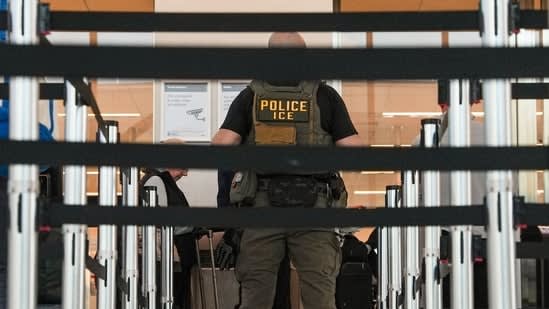
U.S. Immigration and Customs Enforcement (ICE) has suspended routine vehicle stops nationwide following two fatal shootings involving agents in Texas and Maine within a single week.
ICE Halts Routine Vehicle Stops Following Fatal Incidents
In a significant shift in operational protocol, U.S. Immigration and Customs Enforcement (ICE) has ordered a nationwide pause on most routine vehicle stops. This directive comes as a direct response to two separate, fatal shooting incidents involving agents in Texas and Maine, both of which occurred within the span of a single week. The agency's decision reflects an immediate effort to mitigate risk and review the circumstances surrounding these deadly encounters to prevent further loss of life.
Analysis of the Operational Pivot
The suspension of "routine" stops indicates a strategic retreat from proactive, street-level enforcement tactics. By pausing these activities, ICE is effectively limiting its agents' interactions with the public to higher-priority, targeted operations—likely those supported by specific warrants or intelligence—rather than opportunistic stops. This move suggests that the agency recognizes a critical failure in current engagement protocols or a dangerous trend in how vehicle stops are being executed in the field, necessitating an urgent internal audit of Use of Force (UofF) guidelines.
Legal and Civil Liberties Implications
Historically, routine vehicle stops by immigration authorities have been a flashpoint for legal battles centered on the Fourth Amendment, which protects citizens and residents against unreasonable searches and seizures. Critics have long argued that such stops often lean toward racial profiling and lack sufficient probable cause. By suspending these stops, ICE may be attempting to reduce its legal exposure and the potential for civil rights litigation, which typically spikes following fatal encounters. This pause provides a window for the agency to reassess whether the tactical benefits of routine stops outweigh the legal and human costs.
Broader Context of Federal Law Enforcement
This incident occurs within a broader climate of heightened scrutiny regarding federal law enforcement tactics. When two fatalities occur in disparate regions like Maine and Texas within seven days, it suggests that the issue is not isolated to a single regional office or a specific set of local conditions, but is instead a systemic concern. The geographical spread indicates that the agency's training or operational mandates may be inconsistent or insufficiently equipped to handle the volatility of roadside encounters, prompting a top-down intervention from headquarters.
Predicted Future Trends and Policy Shifts
Moving forward, it is highly probable that ICE will implement more stringent reporting requirements for any vehicle-related engagement. We can expect a comprehensive review of agent training, specifically focusing on de-escalation techniques and the threshold for deploying lethal force during traffic stops. In the long term, this may lead to a permanent policy change where routine stops are replaced by a more surgical approach to enforcement, relying more heavily on digital surveillance and coordinated raids rather than random street encounters.
Conclusion
The decision to suspend routine vehicle stops is a clear risk-management strategy designed to stabilize a volatile situation. While the move may temporarily hinder certain enforcement goals, it is a necessary step to ensure the safety of both the public and federal agents. The outcome of the subsequent investigations into the Texas and Maine shootings will ultimately determine whether this pause is a temporary cooling-off period or the beginning of a fundamental overhaul in how ICE conducts field operations.
Verification Required?