ICE to Pay Thomson Reuters $125M to Find Voter Fraud
Source Entity
Hacker News
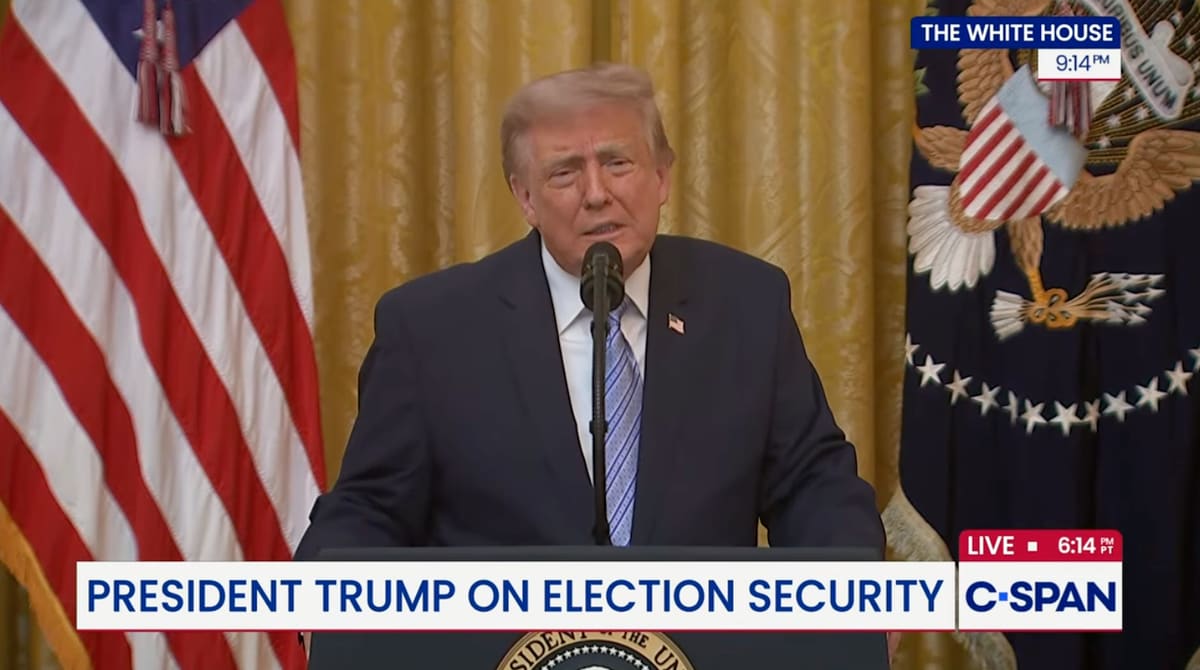
The Department of Homeland Security has awarded a $125 million contract to Thomson Reuters to grant ICE access to vast personal data troves for investigating voter and immigration fraud. This move follows heightened political rhetoric regarding election security and raises significant concerns regarding mass surveillance.
The Intersection of Big Data and Federal Surveillance
The Department of Homeland Security (DHS) has initiated a $125 million procurement agreement with Thomson Reuters, a move that underscores the federal government's increasing reliance on private data brokers to bolster domestic enforcement. By securing access to proprietary databases containing social security numbers, geolocation data, and social media activity, Immigration and Customs Enforcement (ICE) is positioning itself to conduct wide-scale monitoring of millions of individuals. This development represents a significant expansion in the scope of federal oversight, utilizing commercial intelligence to facilitate investigations into both immigration status and purported voter fraud.
The Scope of Data Integration
The sheer volume of information accessible under this contract is unprecedented in its granular detail. Thomson Reuters maintains records that bridge the gap between public records and private behavior, including ethnicity, residential addresses, and digital footprints. For ICE, this provides a continuous surveillance capability that moves beyond traditional investigative methods. By integrating these disparate data points, the agency can theoretically track the movements and associations of individuals with a degree of precision that was previously difficult to achieve without specific judicial warrants for each data subset.
Political Context and Election Security
This procurement action coincides with a volatile political climate characterized by intense scrutiny of election integrity. Following a recent press conference by President Trump concerning election security, the narrative surrounding "voter fraud" has reached a fever pitch. The timing of this $125 million investment suggests that the administration intends to leverage technological solutions to address these claims, effectively deploying federal resources to substantiate allegations of electoral irregularities. This creates a direct link between data-driven policing and the broader political efforts to contest or influence the perceived legitimacy of upcoming midterm elections.
Broader Implications for Privacy
The outsourcing of surveillance to a private entity like Thomson Reuters raises profound constitutional and ethical questions. When the government purchases data that it might otherwise be required to obtain through rigorous legal processes, it creates a loophole in the Fourth Amendment protections typically afforded to citizens. The ability of ICE to continuously monitor "millions of people and entities of interest" suggests a transition toward a predictive policing model, where individuals are flagged based on patterns identified within commercial datasets rather than individualized suspicion.
Future Trends in Federal Data Utilization
Looking forward, this contract likely signals a long-term trend in federal policy: the privatization of intelligence-gathering. As data brokers continue to aggregate more comprehensive profiles on the populace, agencies like ICE will increasingly bypass traditional investigative bottlenecks by paying for immediate access to "ready-to-use" intelligence. If this precedent holds, future federal operations will be defined by an even deeper reliance on the private sector, potentially normalizing the surveillance of everyday citizens under the dual mandate of immigration enforcement and election integrity.
Conclusion
In summary, the DHS-Thomson Reuters agreement marks a pivotal moment for domestic surveillance. By centralizing massive amounts of sensitive personal data for the use of ICE, the government is fundamentally altering its investigative capabilities. While framed as a measure to combat fraud, the implications of this surveillance infrastructure extend far into the realm of civil liberties, signaling a future where the line between government oversight and private sector data collection is effectively erased.