UDF stand on Waqf will sacrifice minority interests, says Pinarayi Vijayan
Source Entity
India Latest News: Top National Headlines Today & Breaking News | The Hindu
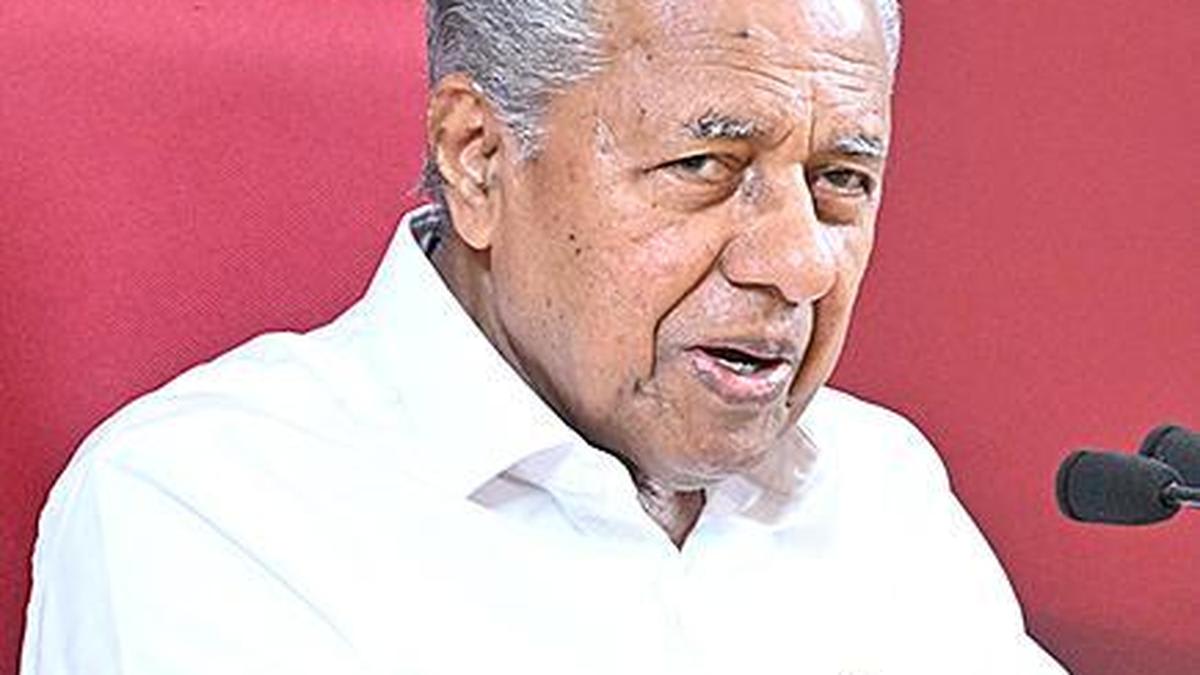
Kerala Opposition leader Pinarayi Vijayan has criticized the UDF government for its support of the Waqf (Amendment) Act, 2025. This stance has created significant political friction with coalition allies like the IUML and community organizations.
Political Turmoil Over the Waqf (Amendment) Act in Kerala
The political landscape in Kerala is currently witnessing intense debate following the UDF government's stated willingness to implement Section 14 of the Union government’s Waqf (Amendment) Act, 2025. Leader of the Opposition Pinarayi Vijayan has sharply criticized this position, arguing that aligning with the central legislation will fundamentally sacrifice minority interests and undermine ongoing legal challenges currently pending before the Supreme Court.
The Legal and Legislative Conflict
At the heart of the controversy is the UDF government's decision to maintain a stance in the Supreme Court that mirrors its previous position in the Kerala High Court. By expressing readiness to reconstitute the State Waqf Board in accordance with the new central mandate, the government has inadvertently created a legal paradox. Pinarayi Vijayan contends that this shift in policy will adversely affect existing writ petitions, effectively weakening the legal standing of those challenging the Act at the national level.
Strains Within the UDF Coalition
The decision has placed the Indian Union Muslim League (IUML), a key ally within the Congress-led UDF, in an increasingly precarious position. While the IUML has formally challenged the legislation in the Supreme Court, the state government’s push to comply with the Act has invited sharp criticism from both the CPI(M) and various community organizations. These groups argue that the UDF is facilitating the implementation of the BJP-led central government's agenda, thereby alienating its core support base.
Judicial Intervention and Administrative Uncertainty
Recent judicial activity has further complicated the situation. The Kerala High Court previously issued an order restricting the State Waqf Board from making major policy decisions without explicit judicial permission. This followed government submissions, led by Advocate General Jaju Babu, regarding the necessity of reconstituting the board. While the Supreme Court recently quashed an interim order that had imposed administrator rule, the underlying tension regarding the board's structural future remains unresolved.
Broader Implications for Minority Rights
The debate serves as a microcosm of the broader national discourse regarding the balance between central legislative authority and the autonomy of religious boards. Critics of the 2025 Amendment argue that it infringes upon the traditional management structures of Waqf properties. By supporting the Act, the Kerala government is being accused of prioritizing procedural compliance over the protection of minority rights, a narrative that is likely to dominate state politics in the coming months.
Future Outlook and Political Fallout
Looking ahead, the political fallout from this issue is expected to escalate as the Supreme Court proceedings continue. The IUML now faces the difficult task of balancing its coalition loyalty with its ideological opposition to the central Act. For the UDF, the challenge lies in reconciling its administrative actions with the expectations of its constituents, while the Opposition CPI(M) is poised to leverage this friction to highlight perceived inconsistencies in the current government's policy framework.
Multiple Citing Sources
Verification Required?