Suspected IED explodes in J&K's Poonch, several feared dead; security heightened
Source Entity
PRANJAL PANDEY
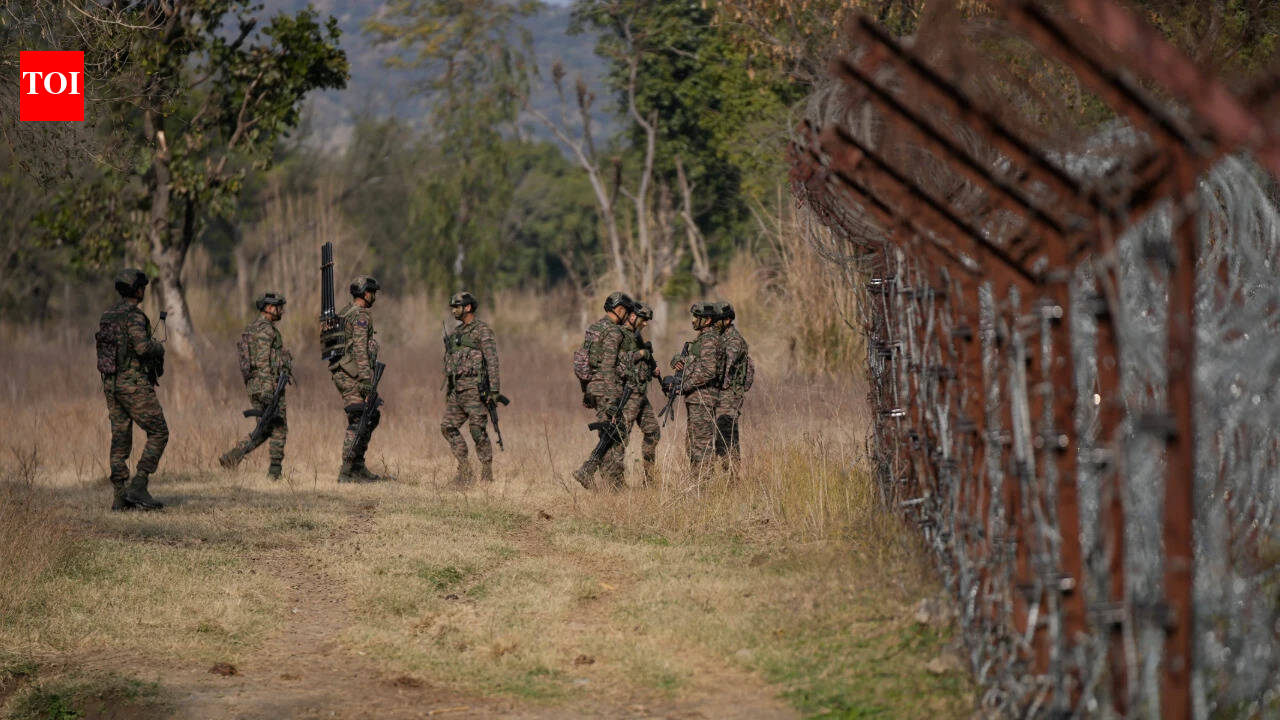
A powerful IED explosion in Pakistan-occupied Kashmir near the LoC resulted in four fatalities during a suspected infiltration or construction activity. The incident has prompted heightened security alerts and increased vigilance by Indian forces in the Poonch district.
Analysis of the Cross-Border Explosion in Poonch
The Incident Overview
On Monday, a powerful explosion occurred in the Satwal-Naki area of Pakistan-occupied Kashmir (PoK), specifically within the Hajira tehsil near the Line of Control (LoC). The blast, reportedly triggered by an Improvised Explosive Device (IED), resulted in the deaths of four individuals: Faizan Sagheer, Waqas Sharief, Ishtiaq, and Asim Rafiq, all residents of Battal Mandhol village. While initial reports suggested the victims were laying water pipes, the proximity of the incident to the zero line and the high-stakes security environment of the Krishna Ghati sector have led to intense scrutiny regarding the nature of the activity.
Security Implications for the Indian Side
Following the blast, Indian security forces in the Poonch district of Jammu and Kashmir immediately heightened their alert status. Given the volatile history of the Krishna Ghati sector, which has frequently been a flashpoint for infiltration attempts and cross-border skirmishes, the Indian Army has intensified surveillance and vigilance. The discovery and destruction of two additional rusted landmines in the nearby Mendhar sector further underscore the persistent threat posed by remnants of conflict and active tactical maneuvering along the border.
Tactical Context and Ambiguity
There remains a degree of ambiguity regarding the intent of the group involved in the blast. While sources have identified the deceased as local residents, the high-security sensitivity of the area often involves blurred lines between civilian movement and insurgent activity. The fact that the explosion occurred near the zero line—a zone strictly controlled by security forces on both sides—suggests that the incident may be linked to ongoing efforts to breach or fortify the border, a common occurrence in this contested geography.
Regional Tensions and Border Vigilance
The Line of Control remains one of the most militarized borders in the world. Incidents like the one in Satwal-Naki serve as a reminder of the constant friction in the Poonch region. For India, the primary concern is the potential for such events to serve as a diversion for infiltration attempts. Consequently, the Indian Army's proactive measures, including the clearing of unexploded ordnance like the landmines in Mendhar, are critical to maintaining the integrity of the border and preventing further escalation.
Future Trends and Outlook
Moving forward, the situation in the Krishna Ghati sector is expected to remain under high-level surveillance. The incident highlights the enduring danger of IEDs and legacy ordnance in the borderlands. Future security trends will likely prioritize advanced surveillance technology to differentiate between civilian border activity and hostile encroachment. As both sides continue to monitor the LoC, the ability of Indian forces to maintain a high state of operational readiness will remain the primary deterrent against any instability originating from the PoK side of the border.