‘Doesn't deserve respite': Russian FM on Zelensky's push for ceasefire to hold Ukraine elections
Source Entity
Latest News: Todays Latest News Headlines from India & World | Hindustan Times | Hindustan Times
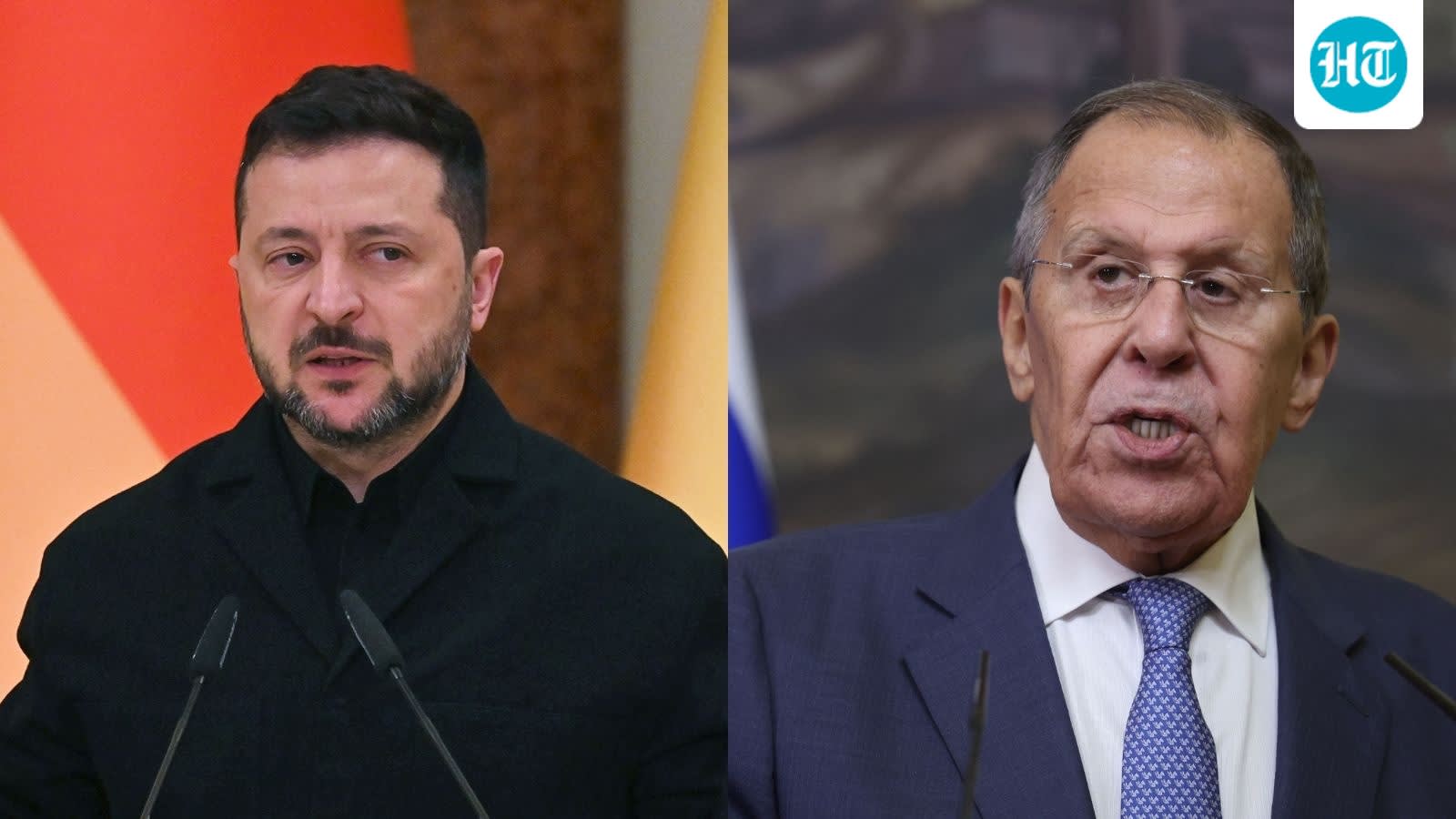
Donald Trump has publicly criticized Ukrainian President Volodymyr Zelenskyy following reports of a deal involving the release of Russian diesel. Zelenskyy expressed concerns that the arrangement could provide Moscow with funding for its ongoing war efforts.
Tensions Escalate: Trump Criticizes Zelenskyy Amidst Energy Deal Controversy
Recent statements from Donald Trump have ignited a fresh diplomatic firestorm, as the former president openly questioned the leadership of Ukrainian President Volodymyr Zelenskyy. This critique follows reports that a deal has been reached to facilitate the release of Russian diesel, a development that has clearly deepened the divide between the two figures. Trump’s assertion that it is "time for Ukraine to get a new president" underscores a significant shift in political rhetoric regarding the ongoing conflict and the international response to Russia’s energy exports.
The Diesel Deal and Its Economic Implications
At the heart of this controversy is the reported arrangement to release Russian diesel into the United States market. While the specific mechanics of this trade remain subject to intense scrutiny, the economic implications are immediate. By easing curbs on Russian energy products, there is a clear potential for market fluctuations that could impact global pricing. Trump has positioned this deal as a strategic move, yet the geopolitical optics of engaging with Russian energy resources during an active conflict remain highly contentious.
Zelenskyy’s Opposition to Energy Funding
Ukrainian President Volodymyr Zelenskyy has been vocal in his condemnation of the arrangement. His primary argument is that such trade agreements effectively act as a financial lifeline for the Kremlin, providing the necessary capital to sustain its military campaigns. By criticizing the influx of Russian diesel, Zelenskyy is attempting to maintain a unified front among Western allies, emphasizing that economic pressure on Moscow is just as critical as military support on the ground.
A Shift in Political Alignment
Trump’s aggressive stance against Zelenskyy signals a potential realignment in how some American political factions view the war in Ukraine. By calling for a change in Ukrainian leadership, Trump is signaling a move away from the unconditional support that has characterized much of the U.S. approach to the conflict. This rhetoric suggests that future U.S. policy, if influenced by such views, could prioritize energy-related economic interests over the current diplomatic and military commitments to Kyiv.
Broader Geopolitical Consequences
The friction between these two leaders highlights the broader difficulty of balancing domestic economic needs with international security commitments. The release of Russian diesel into the American market serves as a point of contention that pits energy security against the moral and strategic imperative to isolate the Russian economy. As this situation evolves, it will likely serve as a litmus test for how international leaders navigate the complex intersection of global energy markets and wartime alliances.
Future Trends and Outlook
Looking ahead, this public spat indicates that the narrative surrounding the Ukraine war is becoming increasingly polarized. We can expect to see further debate regarding the efficacy of sanctions and the role of global energy trade in conflict resolution. The tension between the need for affordable energy and the desire to curb Russian war funding will remain a central theme in international politics, likely influencing upcoming election cycles and the stability of the Western coalition supporting Ukraine.
Multiple Citing Sources
Verification Required?