Ukraine blindsided by Starlink throttling restrictions and intelligence gaps
Source Entity
Christopher Miller
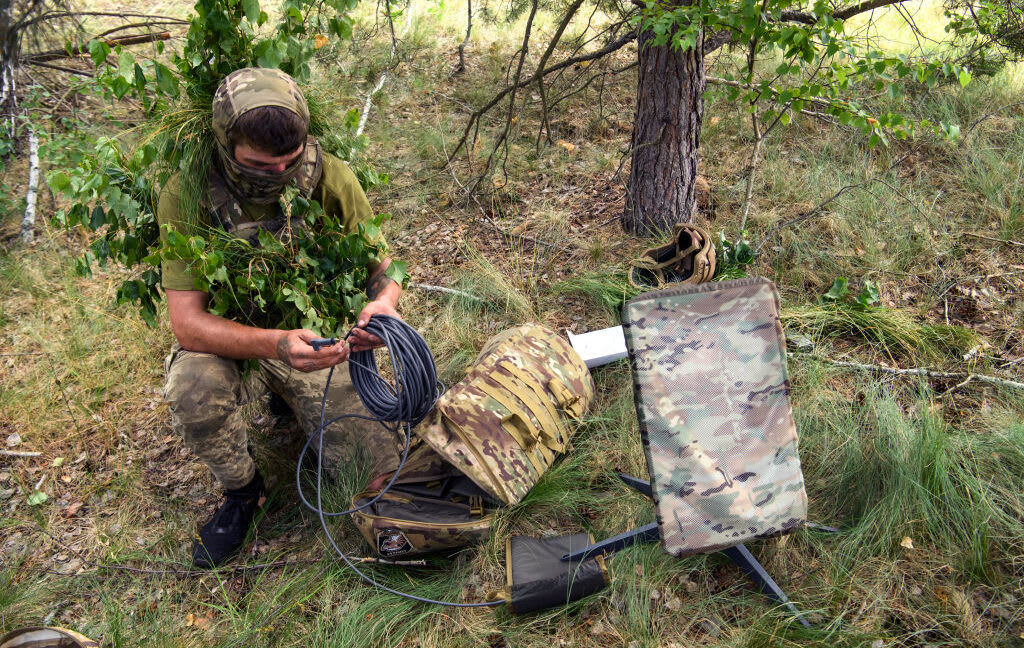
Ukrainian military operations are facing significant disruptions due to sudden Starlink connectivity restrictions and a lack of intelligence regarding Russian missile strikes. These technical and strategic hurdles are hindering frontline logistics and drone-based mission success.
The Strategic Impact of Starlink Connectivity Disruptions
Recent reports indicate that Ukrainian forces are grappling with sudden, unannounced restrictions on the Starlink satellite network, which has served as a critical backbone for communication and coordination since the onset of the conflict. These disruptions, specifically impacting drone units operating at high speeds, represent a significant tactical setback. The reported signal failures at speeds exceeding 160 km/h demonstrate a technical limitation that directly hampers the mobility and effectiveness of reconnaissance and strike teams, leaving commanders in the dark during time-sensitive operations.
The Erosion of Frontline Logistics
The implications of these technical limitations extend far beyond individual drone sorties. By affecting the ability of Ukrainian forces to conduct "middle strikes" against Russian logistics and supply lines, the connectivity issues are creating a bottleneck in the theater of operations. When logistics cannot be effectively targeted or managed due to unreliable communication, the entire frontline becomes vulnerable to attrition. This situation is compounded by the lack of prior warning, leaving military personnel unable to pivot to alternative communication channels or adjust their tactical approach in real-time.
Intelligence Gaps and Energy Infrastructure
Parallel to the technical issues with Starlink, Ukrainian officials have highlighted a concerning breakdown in intelligence sharing regarding Russian missile attacks. The failure to receive warnings about strikes on energy facilities for two consecutive days suggests a critical gap in the information flow between Ukraine and its international partners. As energy infrastructure remains a primary target for Russian forces, the inability to anticipate these strikes poses a massive risk to both civilian stability and the industrial capacity required to support the war effort.
Historical Context of Satellite Warfare
In the broader history of modern warfare, the reliance on commercial satellite constellations like Starlink is unprecedented. While these systems have provided Ukraine with a decisive edge in connectivity, this dependence creates a single point of failure. The current situation underscores the inherent volatility of relying on private technology providers for national defense. Unlike state-run military satellites, Starlink’s operational parameters can be adjusted by the provider, creating a dynamic where the technological lifeline of a sovereign nation is subject to the policies and technical constraints of a private entity.
Future Trends and Strategic Autonomy
Moving forward, these events will likely compel Ukraine and its allies to prioritize the development of more resilient, sovereign communication networks. The vulnerability exposed by the recent throttling restrictions serves as a catalyst for rethinking the integration of commercial satellite services into military strategy. We can expect a push toward diversifying communication assets, reducing reliance on single providers, and improving the robustness of local infrastructure to ensure that frontline operations remain shielded from both the technical limitations and geopolitical variables of private space-based networks.