'Did not ask cops to detain': IIT Bombay admin after faculty raises 'forceful' detention of students
Source Entity
Latest News: Todays Latest News Headlines from India & World | Hindustan Times | Hindustan Times
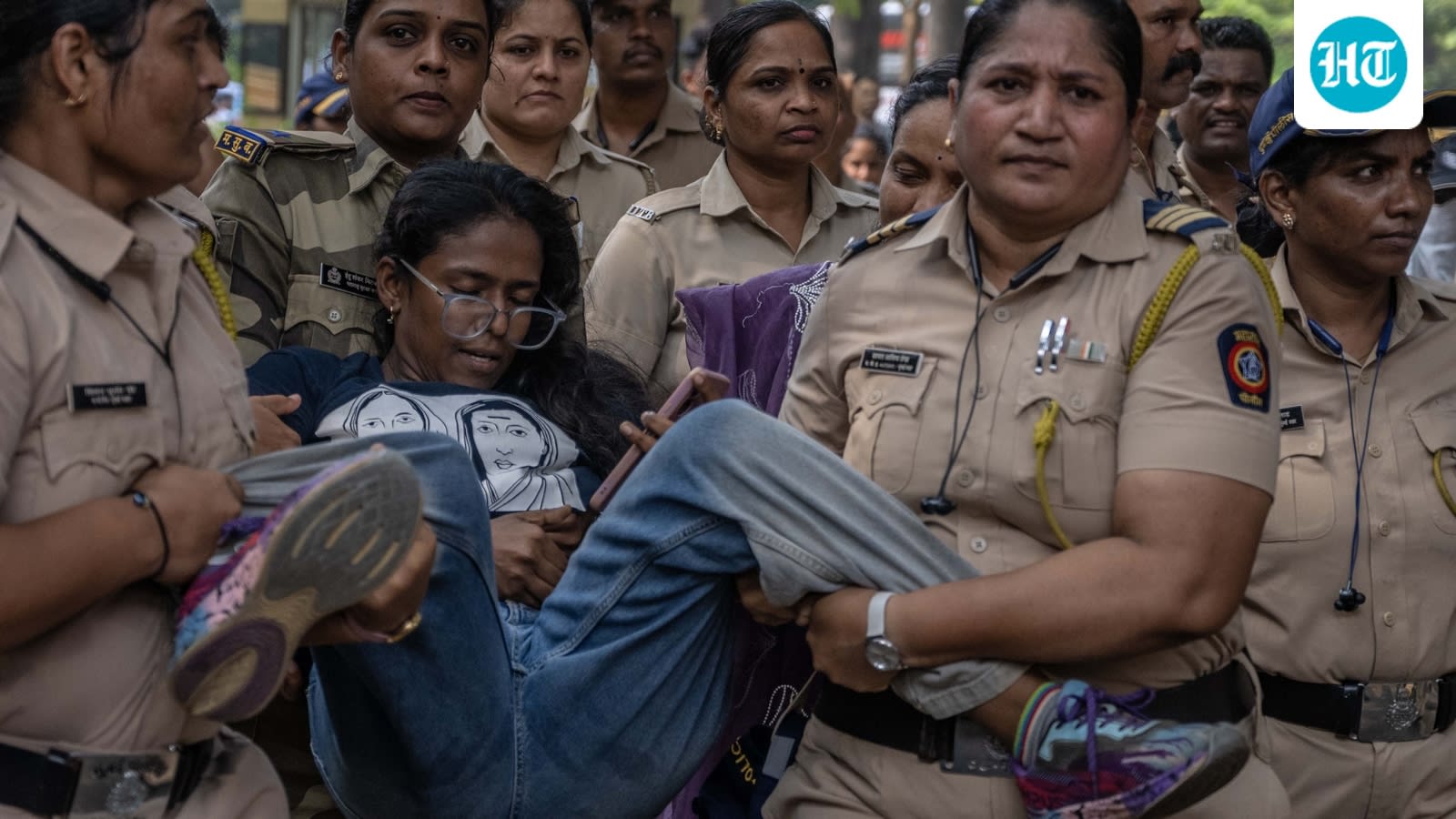
IIT Bombay has denied requesting police intervention or the detention of protesting students and parents following a student's suicide. The administration claims the police presence was strictly due to a scheduled visit by political figures.
Tensions Escalate at IIT Bombay Following Student Death
The Indian Institute of Technology (IIT) Bombay is currently navigating a period of intense scrutiny following the tragic suicide of a student, Sahil Wakhode. In the wake of this tragedy, student organizations and grieving parents have staged protests on campus, demanding accountability and justice. The administration, however, has found itself at odds with these groups, particularly regarding the presence of law enforcement on campus grounds during these demonstrations.
Administrative Denial of Police Involvement
In a formal statement, the IIT Bombay administration has categorically denied authorizing the detention of students or parents, nor did they request the dismantling of protest sites. This clarification comes as a direct response to allegations of "forceful" tactics used against those seeking justice. The institute maintains that its role was not to suppress dissent but to manage campus security during a period of high sensitivity and external political activity.
The Role of Political Visits
Central to the administration's defense is the timing of police presence. IIT Bombay claims that law enforcement was on campus last Thursday specifically to oversee security for the visit of Congress MP Varsha Gaikwad and MLA Aslam Shaikh. The administration argues that the overlap between these high-profile political visits and the ongoing protests created a complex security environment, which observers might have misinterpreted as a coordinated effort to suppress the student-led movement.
The Faculty and Student Divide
This incident has widened the gap between the institute's leadership and the academic community. The faculty has expressed significant discomfort regarding the situation, with some members writing directly to the Director to voice their concerns. This internal pressure highlights a growing tension within the institution, where the mandate for maintaining order is clashing with the moral imperative to address the grievances of the student body and the families of the deceased.
Broader Implications for Campus Autonomy
The events at IIT Bombay raise critical questions regarding the role of police on university campuses and the limits of institutional authority. As one of India’s premier technical institutes, the handling of this crisis sets a precedent for how elite academic spaces manage public protest and student mental health concerns. The reliance on administrative explanations involving political visits serves as a reminder of how easily internal academic crises can become entangled with broader political narratives.
Conclusion and Future Outlook
As the situation unfolds, the administration faces the difficult task of balancing safety protocols with the need for transparent communication. The demand for justice for Sahil Wakhode remains the primary driver of these protests, and until the administration can reconcile its version of events with the experiences of the students and faculty, the campus is likely to remain in a state of unrest. Moving forward, the institution must demonstrate a commitment to both administrative integrity and the welfare of its student community to restore trust.
Verification Required?