FIR filed day after IIT Bombay student dies by suicide, parents allege caste bias
Source Entity
Pallavi Smart, Purnima Sah, Apoorva Agashe
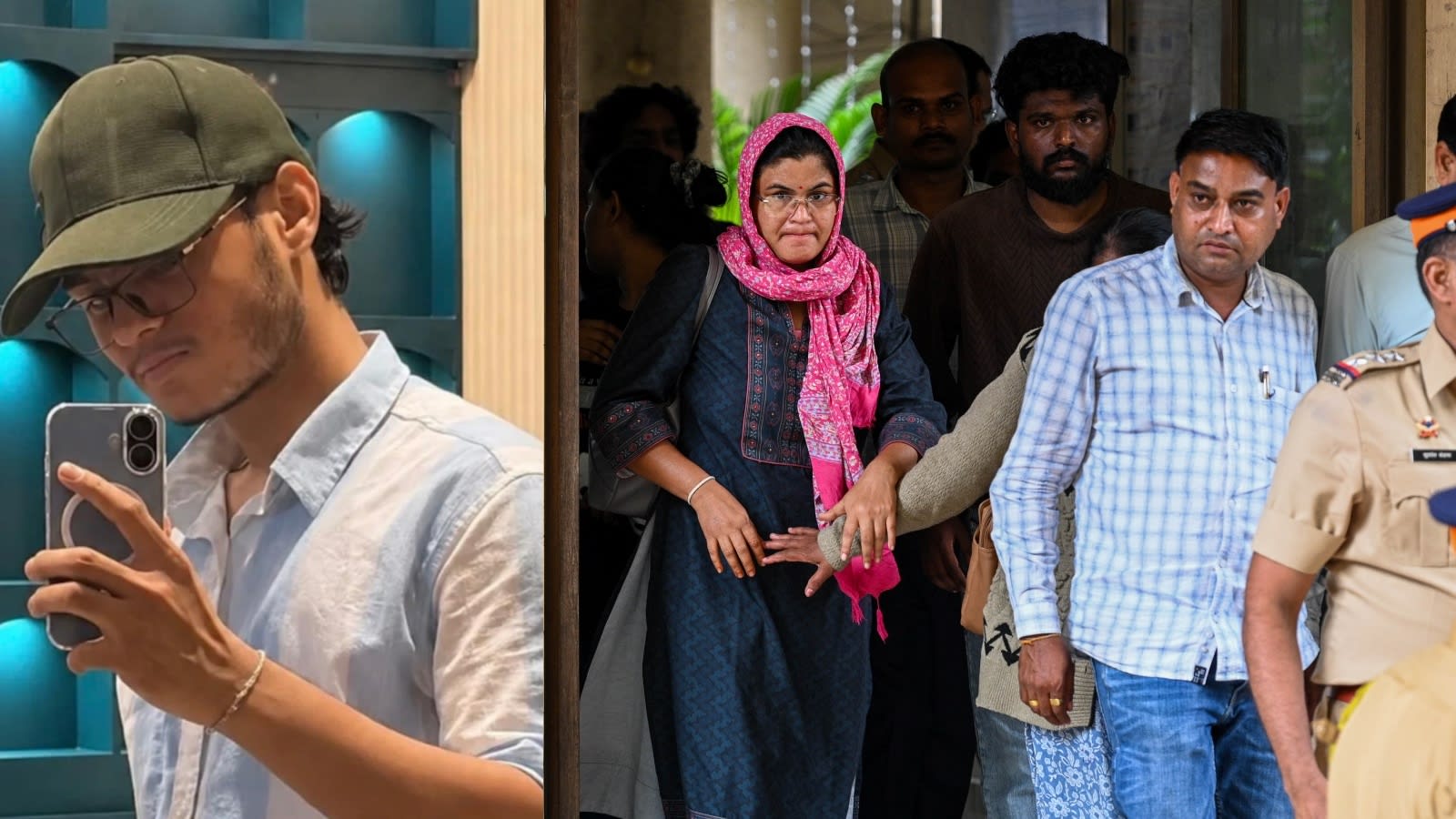
A second-year IIT-Bombay student died by suicide after being caught using an AI platform during an exam. The incident has triggered student protests demanding better mental health support and accountability following a series of similar tragedies on campus.
The Tragic Loss at IIT-Bombay
The academic community at the Indian Institute of Technology (IIT) Bombay is currently grappling with a profound tragedy following the death of a second-year student from the Department of Energy Science and Engineering. The student, who took his own life on Friday evening, had been identified earlier that day for using a mobile phone to upload examination questions to an AI platform. This incident has sent shockwaves through one of India's most prestigious technical institutions, raising urgent questions about academic pressure, the integration of artificial intelligence in education, and the systemic support structures available to students.
Institutional Response and Clarification
Following the incident, IIT-Bombay released a statement clarifying that no formal disciplinary action had been initiated against the student. According to the institute, the student was counseled by the course instructor regarding the incident. This clarification appears to be an attempt to address the immediate narrative surrounding the student's actions, yet it has done little to quell the growing unrest among the student body. The institute maintains that the matter was addressed through dialogue rather than punitive measures, but the perception of the events by the students remains starkly different.
Escalating Tensions and Mental Health Concerns
In the wake of the news, students gathered in significant numbers at the Powai campus to voice their grievances. The protests are not merely a response to this specific death, but a culmination of mounting frustration regarding the campus climate. Students have explicitly demanded a detailed probe into the circumstances leading to the tragedy, emphasizing that the focus must shift from the student's academic infraction to the broader, often neglected, issue of mental health. The protesters argue that institutional authorities have failed to adequately address the psychological burden placed upon students.
A Pattern of Concern
This tragedy is particularly alarming as it marks the third suicide case on the IIT-Bombay campus within a span of just seven months. This pattern suggests a systemic vulnerability that extends beyond individual academic lapses. The recurrence of such incidents, including a previous death at the same hostel on July 28, highlights an urgent need for the administration to review its student welfare policies. The frequency of these events has transformed a local tragedy into a national conversation regarding the high-stakes environment of elite engineering institutions in India.
The Intersection of AI and Academic Pressure
The student's use of an AI platform to seek answers during an examination highlights the evolving challenges of academic integrity in the age of generative technology. While the act of using AI for exam answers is a violation of academic policy, the extreme reaction to being caught underscores the immense pressure students feel to succeed at any cost. This incident forces a necessary dialogue about how educational institutions can balance the enforcement of integrity with a compassionate approach toward students struggling under the weight of expectations.
Moving Toward Accountability
The path forward for IIT-Bombay involves a delicate balance of maintaining academic rigor while prioritizing the human element of education. As the police continue their investigation to ascertain the exact motives behind the student's final actions, the administration faces mounting pressure to demonstrate transparency. The demands for accountability and a thorough probe into mental health support systems suggest that the student body is no longer satisfied with standard institutional responses. Future trends in campus management will likely require a move toward proactive, rather than reactive, mental health interventions to ensure that the environment remains conducive to both learning and personal well-being.
Multiple Citing Sources