‘Assured career wouldn’t be affected’: What IIT-Bombay said on student’s suicide
Source Entity
TOI CITY DESK
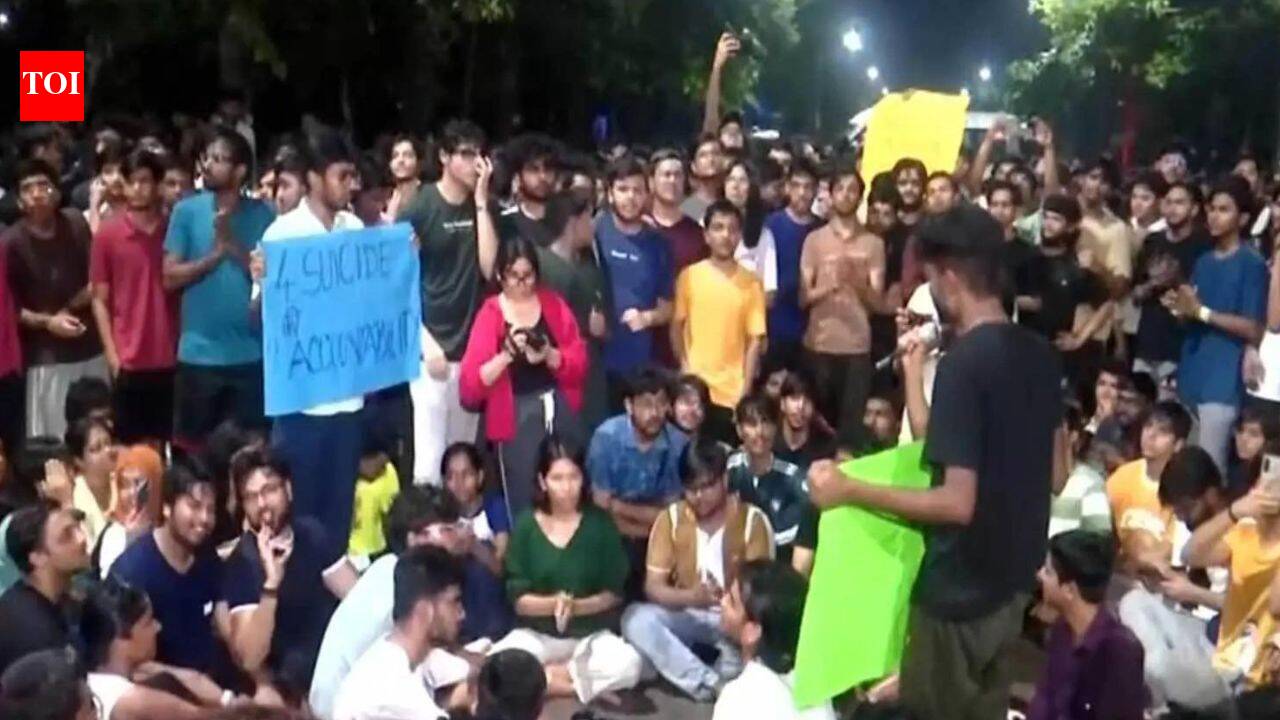
A second-year IIT-Bombay student died by suicide after being caught using AI to cheat on an exam. While the institute claims he was counseled and promised no disciplinary action, students are protesting for better mental health support following multiple recent deaths.
Tragedy at IIT-Bombay: Examining the Intersection of AI and Mental Health
The Incident
On Friday, September 18, 2026, a tragic event unfolded at the Indian Institute of Technology (IIT) Bombay, where a second-year student from the Department of Energy Science and Engineering died by suicide. The incident occurred shortly after the student was apprehended for using a mobile phone to upload examination questions to an AI platform in an attempt to generate answers. This event has sent shockwaves through the campus, raising critical questions about academic pressure and the evolving nature of student misconduct in the age of generative artificial intelligence.
Institutional Response and Clarification
In the aftermath of the tragedy, IIT-Bombay issued a formal statement to address the circumstances surrounding the student's final hours. The administration clarified that although the student was caught using unauthorized technology, no disciplinary action had been initiated against him. According to the institute, the student had been engaged in a discussion with the course instructor and the department head, where he was reportedly counseled and explicitly assured that the incident would not adversely affect his academic career. This attempt at de-escalation by the faculty highlights an institutional effort to prioritize student welfare over punitive measures in the face of a technological infraction.
The Student Protest and Mental Health Crisis
Despite the institute's assurances, the student body responded with significant public dissent. Protests erupted outside the Powai campus as students gathered to demand a comprehensive probe into the incident. The protestors argued that the administration’s focus on exam integrity and disciplinary procedures often obscures the underlying mental health struggles faced by students in high-pressure academic environments. The frustration expressed by the students is rooted in a perceived disconnect between the administration's administrative responses and the actual emotional needs of the student population.
A Pattern of Concern
This tragedy is not an isolated event at the campus. The fact that this incident occurred only two months after another student suicide at the same hostel on July 28, 2026, has intensified calls for a systemic review of campus support services. The recurrence of such extreme steps within a short timeframe suggests a potentially deeper crisis regarding the psychological well-being of students at prestigious engineering institutes, where the burden of expectation and the fear of academic failure are exceptionally high.
Future Implications and Policy Trends
As educational institutions grapple with the integration of AI tools, this case serves as a somber reminder of the human cost associated with academic anxiety. Moving forward, IIT-Bombay and similar institutions will likely face immense pressure to overhaul their mental health support systems, moving beyond basic counseling to proactive, empathetic intervention strategies. The challenge for the future lies in balancing academic rigor with a compassionate environment that can effectively support students who find themselves overwhelmed by the rapid evolution of technology and the intense competitive pressures inherent in elite higher education.
Multiple Citing Sources