Bought 4 kg onions but ‘scale showed just 3.5 kg’, Punjab man wins Rs 20,000 payout
Source Entity
Ashish Shaji
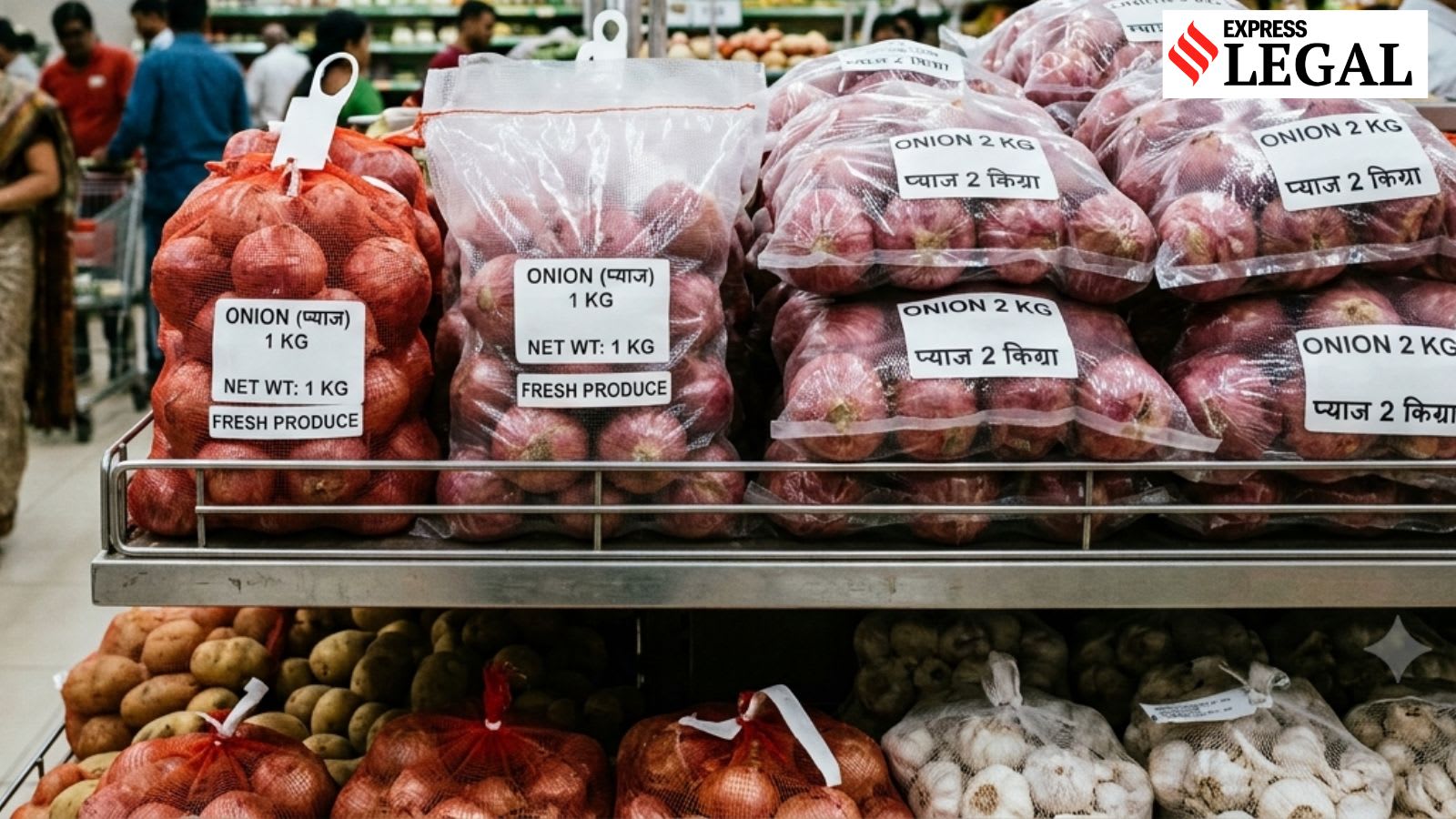
A Punjab consumer commission has ordered a supermarket to pay Rs 20,000 compensation for selling underweight onion packets. The ruling highlights the enforcement of consumer rights against unfair trade practices in retail.
Consumer Victory: The Ropar Commission Ruling
A recent decision by the Ropar District Consumer Disputes Redressal Commission in Punjab has set a significant precedent regarding the accountability of large-scale retail chains. The commission, led by President Kuljit Pal Singh alongside members Ranvir Kaur and Ramesh Kumar Gupta, ruled in favor of a customer who discovered that two packets of onions, marketed as weighing 2 kg each, actually totaled only 3.5 kg. This discrepancy of 500 grams serves as a stark reminder of the persistent issues surrounding weight accuracy in pre-packed consumer goods.
Defining Unfair Trade Practices
The commission explicitly categorized the supermarket’s actions as a "deficiency in service" and an "unfair trade practice." While the supermarket chain argued that the pre-packed onions showed no visible discrepancies at the point of sale, the commission remained unmoved. This ruling underscores that the burden of accuracy lies with the retailer, regardless of whether the packaging appears intact or whether the error was intentional or a result of systemic negligence.
The Role of Consumer Commissions
District consumer forums play a critical role in the Indian legal landscape by providing a relatively accessible venue for individuals to challenge corporate malfeasance. By awarding Rs 20,000 in compensation, the commission has sent a clear message that small-scale consumer fraud—often ignored due to the low monetary value of the goods—will not be tolerated. Such judgments empower the average citizen to challenge retail giants, ensuring that the consumer protection laws are not merely symbolic but are actively enforced.
Broader Implications for the Retail Industry
This case highlights a systemic risk in the modern retail sector, where high-volume, pre-packaged goods are rarely verified by consumers at the checkout counter. The reliance on pre-weighed packets creates a gap in transparency that can be exploited, either through human error or corporate cost-cutting. Retailers may now be forced to implement more rigorous quality control and weighing protocols to mitigate the risk of litigation and reputational damage following this legal precedent.
Future Trends in Consumer Rights
As the retail landscape in India continues to digitize and expand, the expectation for transparency in pricing and quantity will only increase. Future trends suggest that consumers will become more vigilant, and regulatory bodies will likely increase scrutiny on "shrinkflation" and weight discrepancies. This ruling serves as a foundational reference for future disputes, signaling that both physical and digital marketplaces must prioritize operational integrity to avoid the growing reach of consumer protection law.