IIT-B puts on hold 2026 rules on tough penalties for cheating
Source Entity
HEMALI CHHAPIA
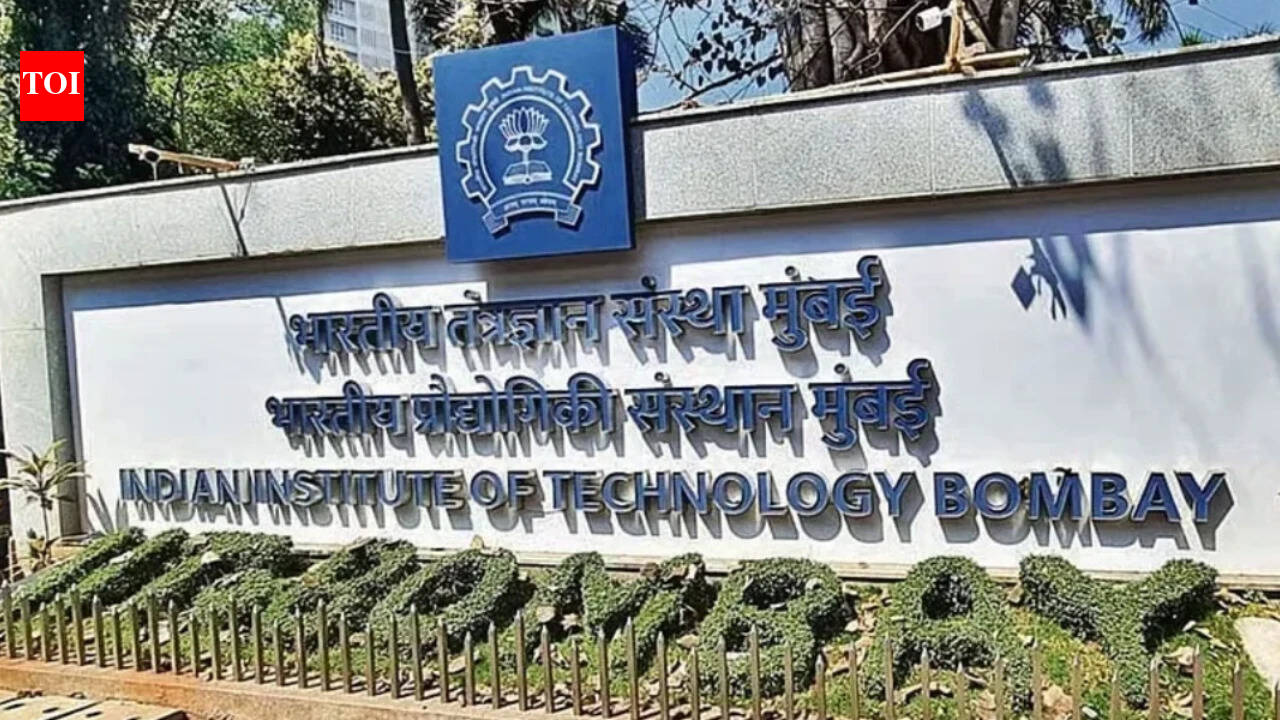
IIT Bombay has suspended its strict 2026 academic misconduct policy following the tragic death of a student. The Senate has reverted to 2015 rules, introducing a more balanced disciplinary process that allows students to present their side.
Institutional Re-evaluation at IIT Bombay
Following the tragic death of a second-year BTech student, Sahil Wakode, on September 18, IIT Bombay has initiated a significant shift in its disciplinary framework. The institute’s Senate recently held an emergency meeting to address the severe consequences of the academic misconduct policy introduced in July 2026. This policy, which mandated an automatic one-semester suspension and an FR2 grade for any student caught using unfair means during examinations, has been placed on hold in response to widespread concerns regarding the mental health impact of such punitive measures.
The Shift from 2026 to 2015
The central outcome of the Senate’s emergency meeting is the decision to revert to the milder guidelines established in April 2015. Under the 2026 rules, the immediate and severe nature of the penalties left little room for due process or a nuanced understanding of student circumstances during high-pressure examination periods. By returning to the 2015 protocols, the institute aims to restore a more restorative approach to academic integrity, prioritizing fairness and procedural transparency over rigid, automated punishment.
New Interim Procedures
To manage the transition, the Senate has implemented an interim procedure for upcoming mid-semester examinations. Faculty members are now instructed to document suspected instances of dishonesty using a specific, prescribed form. Crucially, the new policy mandates that students be provided with a separate sheet to document their own accounts of the incident. This dual-documentation approach ensures that both the invigilator’s observations and the student’s perspective are formally recorded before any disciplinary action is initiated.
Addressing the Culture of Surveillance
Beyond the immediate disciplinary changes, the institute is also reconsidering the atmosphere of its examination halls. Reports indicate that security guards will no longer be tasked with frisking students before exams. This decision signals a broader effort by the administration to reduce the high-stress, high-surveillance environment that has been criticized for exacerbating student anxiety during academic assessments.
Implications for Academic Integrity
While the institute maintains its stance against academic malpractice, the move reflects a growing awareness of the psychological toll that strict disciplinary policies can take on students. By ensuring that cases are reviewed by a disciplinary committee after the examination period rather than imposing immediate suspensions, IIT Bombay is attempting to balance academic rigor with student welfare. This change is expected to serve as a pilot for future policy revisions, as the institute continues to refine its Standard Operating Procedure (SOP) for handling misconduct.
Future Trends in Higher Education
This development at one of India's most prestigious institutions highlights a national trend toward re-evaluating punitive academic structures. As universities across the country grapple with the intersection of academic excellence and student mental health, IIT Bombay's decision to prioritize a fair hearing process serves as a critical case study. Future policy adjustments will likely focus on integrating counseling and formative feedback into the disciplinary process to prevent similar tragedies while maintaining the integrity of the examination system.
Multiple Citing Sources