IMD sounds orange alert for Kolkata, red for north Bengal as state braces for intense monsoon spell
Source Entity
The Indian Express
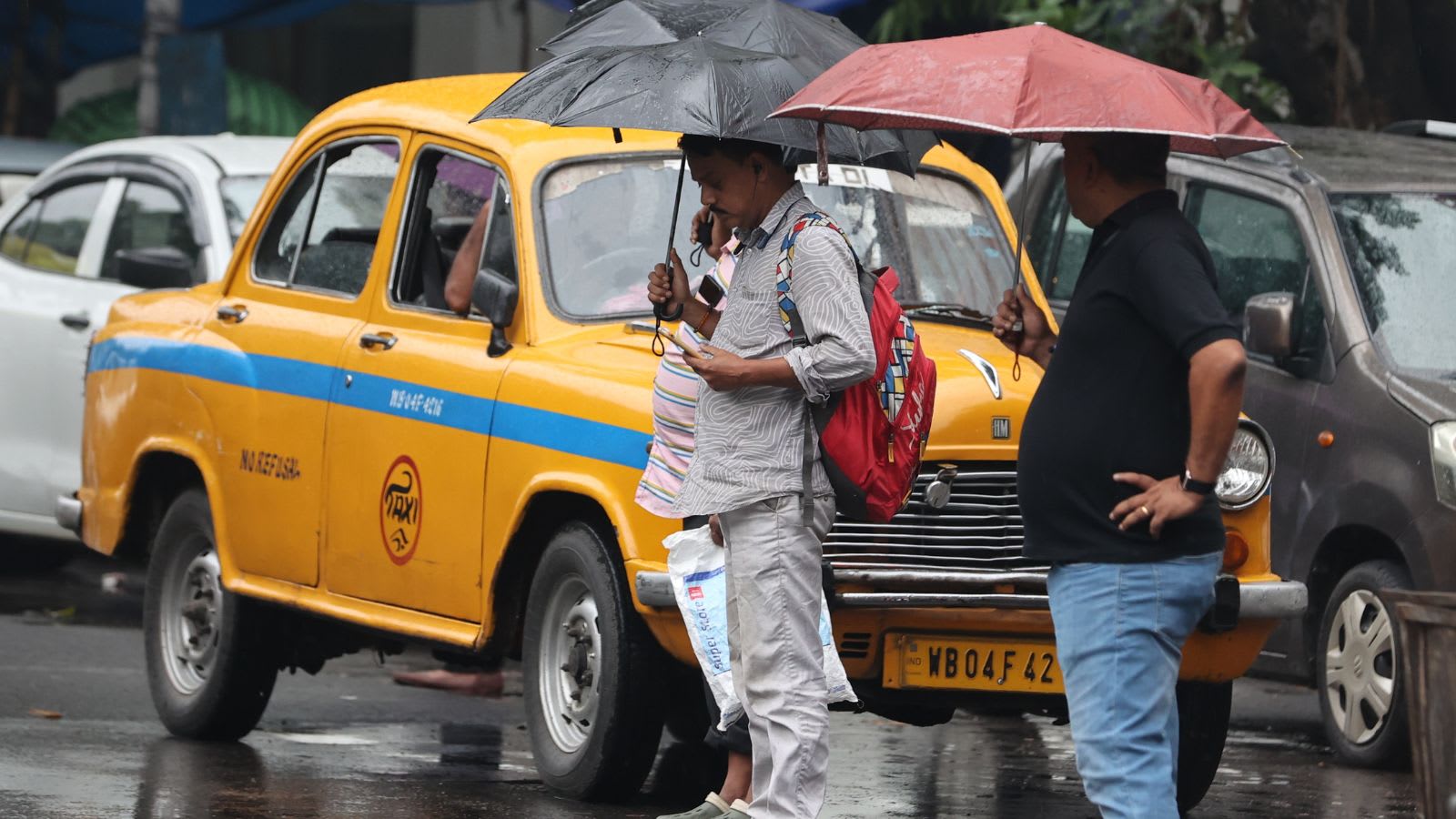
By Subhosree Modak The India Meteorological Department has escalated its warnings by issuing a critical red alert for the sub-Himalayan West Bengal due to an active monsoon trough and an upper air cy...
IMD Escalates Weather Warnings: West Bengal Braces for Intense Monsoon Spells
West Bengal is currently facing a period of significant meteorological instability as the India Meteorological Department (IMD) has issued high-level alerts across the state. With a red alert for the sub-Himalayan regions of North Bengal and an orange alert for Kolkata, the state administration and citizens are being urged to prepare for heavy to very heavy rainfall. This escalation is not a routine seasonal update but a response to a specific combination of atmospheric pressures and moisture flows that threaten to disrupt normal life and safety.
The Meteorological Drivers: Troughs and Circulations
The current weather crisis is primarily driven by the presence of an active monsoon trough and an upper air cyclonic circulation. In meteorological terms, a monsoon trough is an elongated area of low pressure that attracts moisture-laden winds from the Bay of Bengal. When this trough is 'active' and coincides with a cyclonic circulation in the upper atmosphere, it creates a vacuum effect that pulls massive volumes of water vapor toward the land. For West Bengal, this results in concentrated, intense bursts of precipitation rather than steady, light rain, significantly increasing the risk of flash floods and sudden waterlogging.
Regional Disparities in Risk: North Bengal vs. Kolkata
The distinction between the red and orange alerts highlights the different geographical vulnerabilities within the state. In North Bengal, the red alert indicates an extreme threat. The sub-Himalayan terrain is particularly susceptible to landslides and cloudbursts during such intense spells. The steep slopes can quickly become unstable when saturated, posing a direct threat to mountain villages and highway connectivity. Conversely, the orange alert for Kolkata focuses on the challenges of urban flooding. As a low-lying coastal city with an aging drainage system, Kolkata often struggles to evacuate rainwater quickly, leading to paralyzed traffic and disruptions in commercial activity during severe monsoon events.
Socio-Economic Implications of Intense Rainfall
Beyond the immediate physical danger, these alerts signal potential socio-economic disruptions. Agriculture in the plains of West Bengal is heavily dependent on the monsoon, but 'intense spells' can be counterproductive, leading to crop submergence and soil erosion. Furthermore, the logistical backbone of the region—including rail and road networks connecting the northeast to the rest of India—often faces closures during red alert conditions in the north. This can lead to supply chain bottlenecks, affecting the movement of essential goods and increasing market volatility for perishable items.
The Broader Climate Context and Future Trends
While monsoon rains are a seasonal certainty in India, the increasing frequency of 'extreme weather events'—characterized by short durations of intense rainfall—suggests a shift in climatic patterns. Expert analysis indicates that rising sea surface temperatures in the Bay of Bengal are fueling more potent cyclonic circulations. This trend suggests that West Bengal will likely encounter more frequent 'red alert' scenarios in the coming years, necessitating a shift from reactive disaster management to proactive, climate-resilient urban planning and infrastructure reinforcement in both the hills and the delta.
Conclusion: A Call for Vigilance
In summary, the IMD's current warnings for West Bengal are a critical signal for immediate preparedness. The combination of a red alert for the north and an orange alert for the south underscores a state-wide vulnerability to the whims of the monsoon trough. As the state braces for this intense spell, the focus must remain on early warning dissemination, the evacuation of high-risk landslide zones in the north, and the activation of pumping stations in the urban south to mitigate the inevitable impact of the coming rains.