World Bank jobs council urges 'crisis-era' support measures as IMF warns of AI ‘tsunami’ hit
Source Entity
US Top News and Analysis
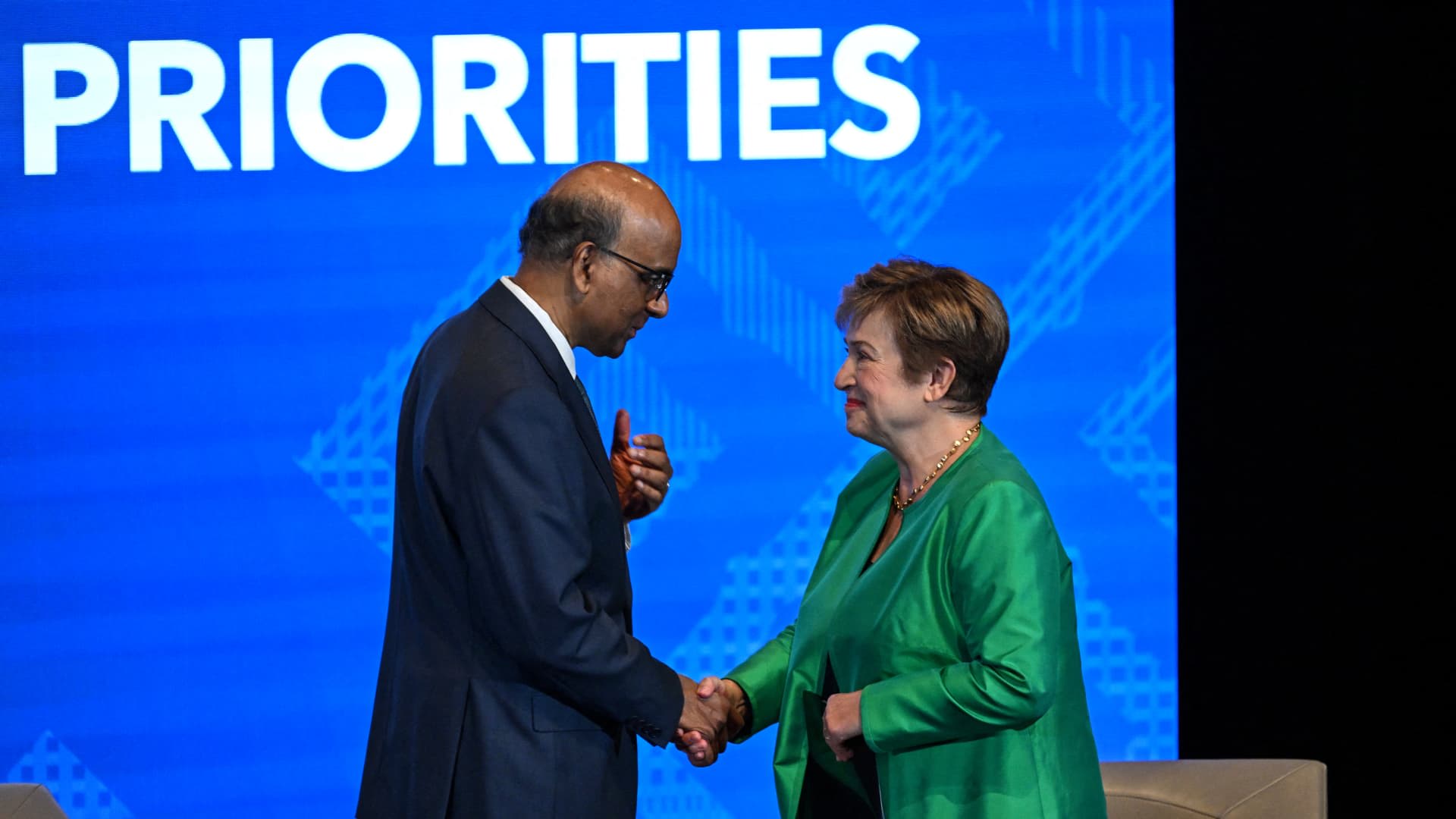
IMF Managing Director Kristalina Georgieva has warned that AI is disrupting the global labor market like a tsunami. The World Bank jobs council is now urging policymakers to adopt crisis-era support measures to protect vulnerable workers, particularly youth.
The AI Labor Tsunami: A Global Economic Warning
International Monetary Fund (IMF) Managing Director Kristalina Georgieva has issued a stark warning regarding the rapid integration of artificial intelligence into the global economy, likening the phenomenon to a "slow-moving tsunami." Speaking at the IMF Annual Meetings Curtain Raiser in Singapore, Georgieva highlighted that while the long-term productivity gains of AI are often touted, the immediate reality for the labor market is one of profound and potentially destabilizing disruption.
The Vulnerability of the Youth Workforce
Central to this warning is the disproportionate impact on the next generation of workers. Georgieva specifically identified young graduates and those entering the labor market as the primary victims of this technological shift. As AI systems become increasingly capable of performing entry-level cognitive tasks—ranging from data analysis to administrative support—the traditional 'stepping stone' roles that allow young professionals to gain experience are at risk of being automated. This creates a critical barrier to entry that could lead to long-term structural unemployment for younger demographics.
Transitioning from Debate to Crisis Management
For years, the discourse surrounding artificial intelligence focused on the theoretical potential for job creation versus job displacement. However, as noted in the recent Bangkok-based policy discussions, the global narrative has shifted significantly. Policymakers are no longer asking if AI will impact employment, but how to manage the fallout. This shift marks a transition from intellectual debate to urgent crisis management, as labor markets struggle to adapt to the velocity of AI deployment.
The Call for 'Crisis-Era' Support
In response to these warnings, the World Bank jobs council is advocating for the implementation of "crisis-era" support measures. These policies are designed to act as a buffer against the volatility caused by rapid technological integration. By prioritizing social safety nets, reskilling initiatives, and targeted support for early-career professionals, international organizations hope to prevent the AI transition from exacerbating existing wealth and opportunity gaps.
Broader Economic and Historical Implications
Historically, technological revolutions—such as the Industrial Revolution—have eventually led to higher standards of living, but they were also marked by periods of intense social unrest and labor displacement. The current AI evolution differs in its speed and its ability to replicate cognitive rather than just physical labor. The IMF’s intervention suggests that global financial institutions are concerned that without proactive governance, the transition period could be far more turbulent than previous technological shifts.
Future Trends and Conclusion
Looking ahead, the global labor market will likely face a period of significant 'churn' as traditional roles are phased out and new, yet-to-be-defined positions emerge. The success of this transition will depend heavily on the ability of governments to synchronize their labor policies with the pace of AI development. As the World Bank and IMF continue to coordinate on these strategies, the focus will remain on mitigating the 'tsunami' effect to ensure that technological progress does not come at the cost of social stability.