The Tariff Cost: analysis of the costs to Americans from new tariffs on Canada
Source Entity
Hacker News
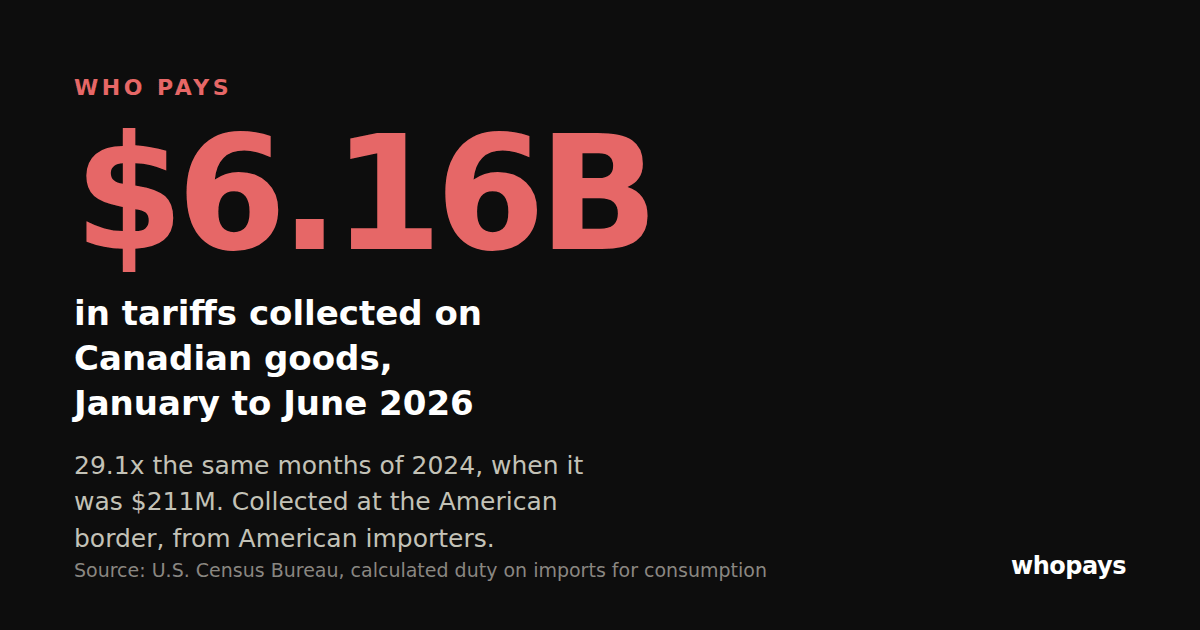
New tariffs imposed between the U.S. and Canada in 2025 have triggered a retaliatory cycle affecting consumer prices and export markets. This analysis tracks the direct fiscal impacts on importers, households, and businesses caught in the cross-border trade dispute.
The Economic Ripple Effect of 2025 Cross-Border Tariffs
In early 2025, a significant shift in North American trade policy emerged as Washington initiated new tariffs on imports, specifically targeting Canadian goods. This move marked a departure from previous trade stability, immediately triggering a retaliatory response from Ottawa, which imposed reciprocal taxes on American goods entering Canada. At its core, a tariff functions as a tax levied at the border, and the fundamental economic question remains: who ultimately bears the financial burden of these duties?
The Direct Cost to Importers and Consumers
Contrary to common political rhetoric, the immediate financial burden of a tariff is paid by the company importing the goods, not the foreign government. Customs records provide a precise audit trail of every dollar collected at the border. However, these costs are rarely absorbed entirely by the importing firm. To maintain profit margins, companies frequently pass these expenses downstream, resulting in higher shelf prices for American households. This mechanism effectively serves as a hidden tax on domestic consumption, inflationary in nature, and felt most acutely by everyday shoppers.
Retaliation and the Export Sector
While American consumers deal with the impact of increased import costs, the secondary layer of this conflict involves American exporters. When Canada responds to U.S. tariffs with its own set of duties on American products, it creates a hostile environment for U.S. businesses attempting to sell goods north of the border. This dual pressure—higher input costs for manufacturers and restricted market access for exporters—creates a complex economic drag that can stifle industrial productivity and reduce the competitive advantage of American goods in the Canadian market.
Methodological Transparency in Trade Data
Analyzing the impact of these tariffs requires distinguishing between hard data and economic projections. Customs logs offer a concrete, empirical count of duty collected from January to June, providing a factual baseline for the immediate fiscal impact. However, calculating the broader "cost" to households involves complex modeling. By differentiating between these logged payments and modeled projections, analysts can better understand how trade policy translates into tangible economic outcomes for citizens.
Broader Implications and Future Trends
The ongoing trade friction between the U.S. and Canada signals a potential long-term shift toward protectionist policies within North America. If this cycle of taxation continues, supply chains that have been integrated for decades may face significant restructuring. Businesses will likely need to evaluate the viability of current cross-border logistics and potentially seek localized alternatives, which could lead to shifts in domestic manufacturing employment and regional investment patterns. The trajectory of these tariffs will remain a critical indicator of North American economic stability in the coming years.