Imran Khan's sons accuse Pakistan army chief Asim Munir of ‘cruelty’ against jailed ex-PM: ‘Trying to slowly kill him’
Source Entity
Latest News: Todays Latest News Headlines from India & World | Hindustan Times | Hindustan Times
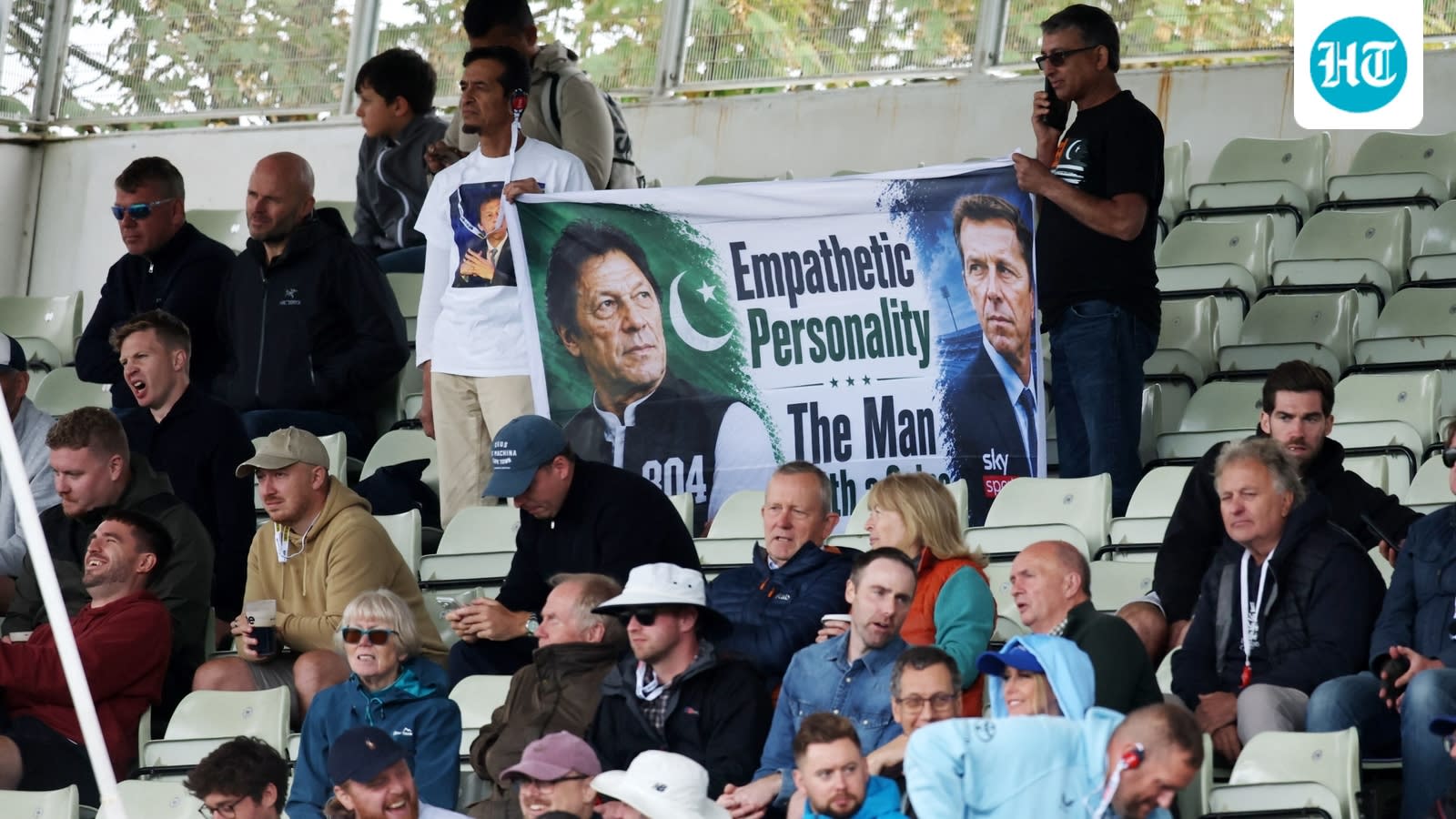
Imran Khan's sons have accused Pakistan's army chief of orchestrating a personal vendetta against their father, alleging that prison conditions are intended to harm his health. This comes amid growing international concern from former cricket peers regarding the former Prime Minister's well-being.
The Escalating Crisis Surrounding Imran Khan
The recent allegations leveled by Kasim and Sulaiman Khan against Pakistan’s Army Chief, Asim Munir, mark a significant escalation in the ongoing political turmoil surrounding the former Prime Minister and cricketing icon, Imran Khan. Currently held in Adiala prison in Rawalpindi on various corruption charges, Khan’s incarceration has become a focal point of intense domestic and international scrutiny. His sons’ public assertion that their father is being subjected to a 'personal vendetta' and is being 'slowly killed' highlights the deepening divide between Khan’s supporters and the current state establishment.
Allegations of Institutional Mistreatment
The specific claims made by Kasim (27) and Sulaiman (29) suggest that the conditions within Adiala Jail transcend standard administrative detention. By characterizing the environment as a form of 'mental and physical torture,' the family is shifting the narrative from legal proceedings to human rights concerns. This rhetoric is designed to draw attention to the perceived lack of due process and the harsh realities of Khan’s isolation, which they argue is being weaponized by the military leadership to neutralize his political influence.
The Intersection of Sports and Politics
Imran Khan’s unique status as a World Cup-winning cricket captain provides him with a global platform that few political figures possess. This is evidenced by the recent intervention of seven former cricket captains who have formally requested the Australian government to advocate for Khan’s health. This international pressure underscores the reality that Khan’s influence extends far beyond the borders of Pakistan, making his treatment a matter of global diplomatic interest rather than purely domestic judicial concern.
The Role of the Military Establishment
The accusation directly targeting Army Chief Asim Munir points to the long-standing, complex relationship between Pakistan’s civilian leadership and its powerful military institution. Historically, the military has played a decisive role in the political trajectory of the nation. The family’s direct indictment of the Army Chief suggests that they view the current judicial path as an extension of military policy, thereby framing the legal charges against Khan as political rather than administrative.
Future Trends and Implications
As the situation develops, the international community will likely continue to monitor Khan’s health and the conditions of his confinement. The risk of civil unrest remains a critical factor, as Khan’s base of supporters continues to view these developments as an existential threat to democratic representation in Pakistan. Future trends suggest that if the allegations of 'slowly killing' him persist without independent verification, the pressure on the Pakistani government to allow international observers or humanitarian access will likely increase, potentially complicating Pakistan’s diplomatic relations with Western nations.
Conclusion
The plight of Imran Khan serves as a stark reflection of the fragility of political stability in Pakistan. Whether through the lens of international human rights or the domestic struggle for power, the accusations of mistreatment have turned a legal battle into a broader moral crusade. As the voices of his family and former peers grow louder, the burden of proof regarding Khan’s safety rests heavily on the state, which now faces the challenge of managing both its judicial agenda and its global reputation.
Verification Required?