India presents 2036 Olympic vision to IOC Future Host Commission in virtual meeting
Source Entity
TANUJ LAKHINA
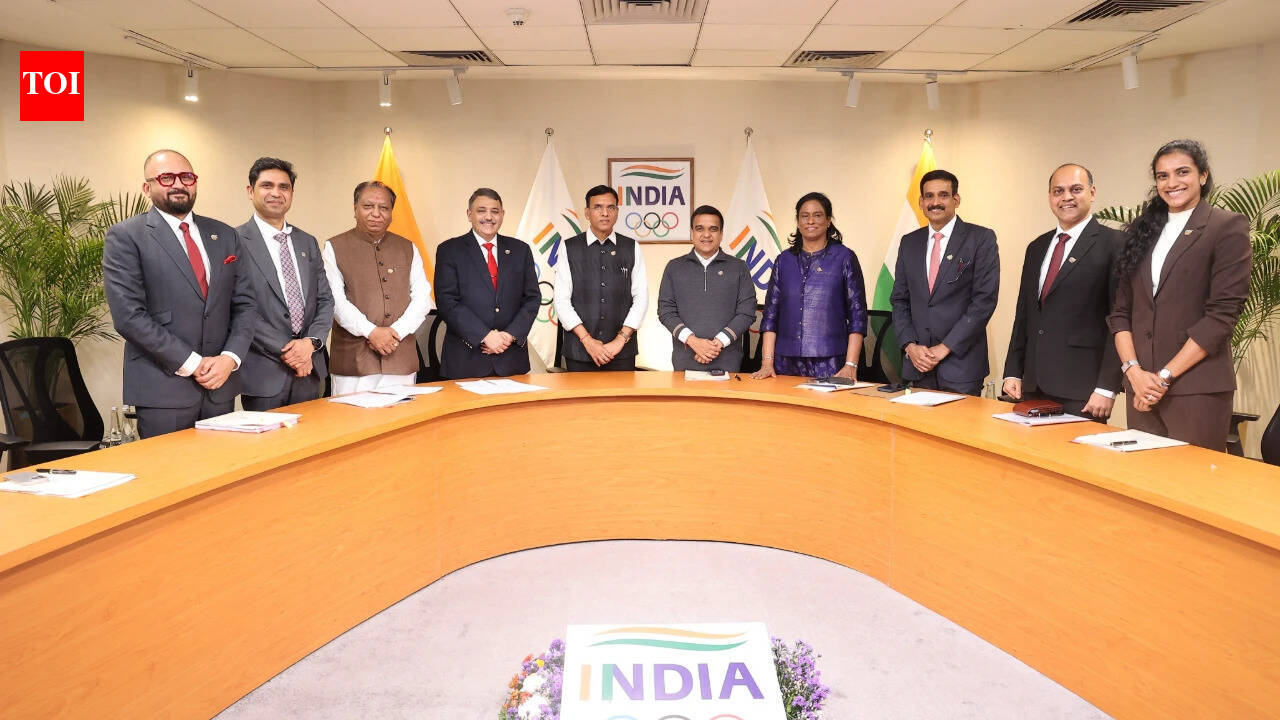
India has officially presented its vision for hosting the 2036 Olympic and Paralympic Games to the IOC, positioning Ahmedabad as the central hub. The bid focuses on infrastructure readiness and government support, while addressing the critical challenge of diversifying the nation's sporting culture beyond cricket.
India’s Ambitious Path to the 2036 Olympic Games
India has officially entered the race for the 2036 Olympic and Paralympic Games, marking a significant milestone in the nation's sporting ambitions. In a virtual meeting with the International Olympic Committee’s (IOC) Future Host Commission, a high-level Indian delegation—including Sports Minister Mansukh Mandaviya, IOA President PT Usha, and Gujarat Deputy Chief Minister Harsh Sanghavi—presented a comprehensive vision centered on the city of Ahmedabad. This presentation represents the initial phase of a long-term strategy, with the process expected to move toward a more formal 'strategic dialogue' by March 2027.
The Strategic Role of Ahmedabad and Infrastructure
At the heart of the Indian proposal is the city of Ahmedabad, which is being positioned as the primary host city. The delegation emphasized the city's infrastructure readiness and a robust funding strategy, viewing the 2036 bid as a culmination of India's growing capacity to host global events. By framing the bid around legacy planning, India aims to demonstrate that its interest in the Olympics is not merely about a two-week event, but about creating sustainable sporting infrastructure that will serve the nation for decades to come.
Addressing the 'Single-Sport' Narrative
Perhaps the most poignant moment of the engagement with the IOC was the question posed regarding India’s identity as a 'single-sport' nation. While India has made strides in various disciplines, the landscape remains heavily dominated by cricket. The IOC’s inquiry highlighted a fundamental concern: can India translate its passion for sports into a broader, multi-sport culture? The delegation utilized the presence of sporting icons to argue that India is actively shifting its focus, emphasizing that the bid itself is a catalyst for diversifying athlete development and public interest.
Governance and Anti-Doping Commitments
Beyond the glitz of infrastructure, the IOC is rightfully focused on the integrity of the host nation. The Indian delegation sought to address concerns regarding the country’s sports governance and anti-doping records. By explicitly highlighting "strong anti-doping measures," India is signaling to the international community that it is taking the necessary steps to align with global standards. These reforms are essential for a successful bid, as the IOC prioritizes clean, transparent, and well-governed sporting environments for its participants.
The Road Ahead: From Vision to Reality
Looking toward the 2030 Commonwealth Games as a potential stepping stone, India is clearly building a roadmap to prove its hosting experience. The path to 2036 is arduous, requiring not just financial investment, but a cultural transformation in how the country supports non-cricketing athletes. As the dialogue with the IOC continues toward 2027, India must balance its infrastructure promises with tangible evidence of a thriving, multi-disciplinary sports ecosystem.
Conclusion
The presentation to the Future Host Commission is a bold statement of intent from the Indian government and the Indian Olympic Association. While the challenges of governance, doping, and the dominance of cricket are significant, the commitment to institutional reform and infrastructure development suggests that India is serious about its global sporting aspirations. Whether this leads to a successful bid in 2036 will depend on the consistency of these reforms and the ability to demonstrate a genuinely inclusive sporting culture.