More Jobs, Lower Power Bill? What India's 300 GW Clean Energy Feat Means For You
Source Entity
NDTV News Search Records Found 1000
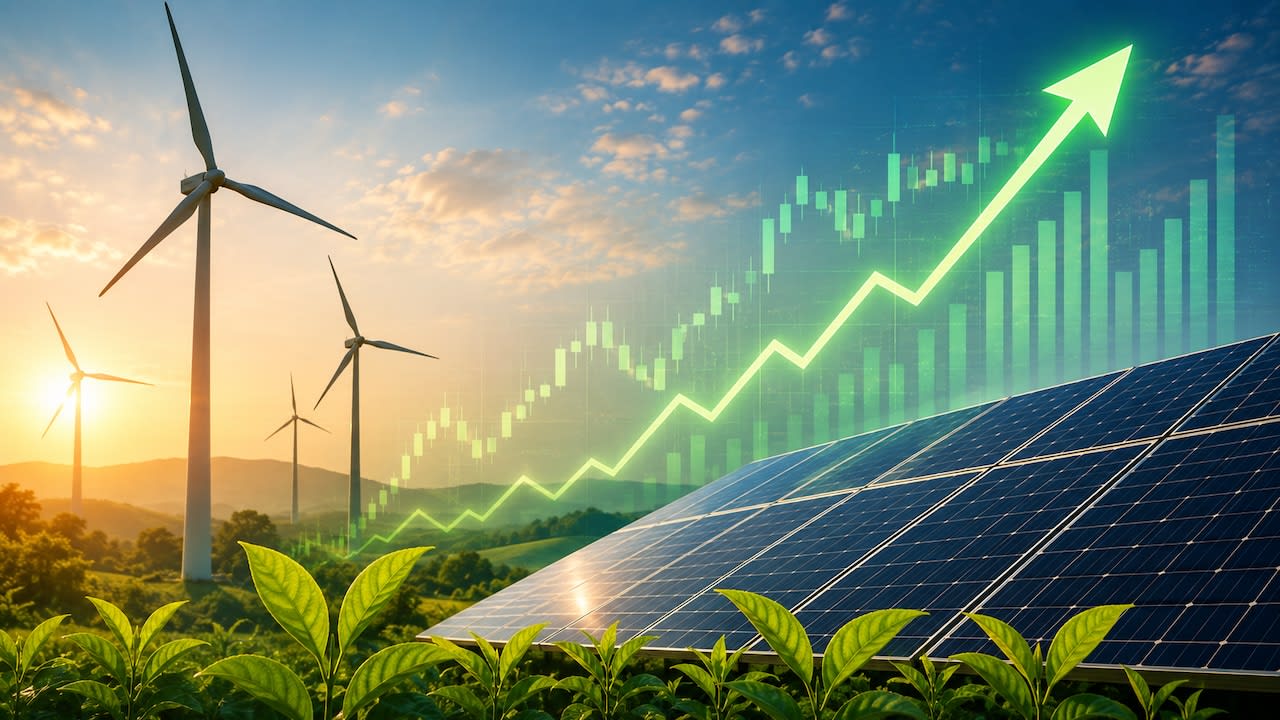
India has officially crossed a major milestone with non-fossil fuel sources now accounting for over 54% of its total installed electricity capacity. This shift toward clean energy is expected to drive long-term economic growth, job creation, and potential stabilization of consumer power costs.
India's Clean Energy Milestone: A Strategic Shift
India has achieved a significant landmark in its energy transition, with non-fossil fuel sources now comprising more than 54% of the nation's total installed electricity capacity. This development marks a pivotal moment in the country's long-term commitment to decarbonizing its power sector while simultaneously catering to the rapidly expanding energy demands of a growing economy. By surpassing the halfway mark, India has demonstrated that sustainable infrastructure is not merely an environmental goal but a central pillar of its national development strategy.
Economic Implications and Job Creation
The transition toward a greener grid is poised to act as a powerful catalyst for the Indian labor market. As the country pivots away from traditional fossil-fuel dependency, the demand for specialized skills in solar, wind, and hydroelectric infrastructure is surging. This shift is expected to create a robust ecosystem of 'green jobs,' ranging from high-tech research and development to large-scale installation and maintenance roles. By fostering this green economy, India is positioning itself as a global leader in renewable energy manufacturing and services.
Impact on Consumer Power Costs
One of the most anticipated outcomes of this structural change is the potential stabilization and eventual reduction of electricity bills for the average consumer. Historically, reliance on coal and imported fossil fuels has exposed the Indian energy market to volatile global commodity prices. By diversifying into non-fossil sources, which rely on inexhaustible domestic resources like sunlight and wind, the grid becomes less susceptible to these external shocks. As technology continues to improve and economies of scale are realized, the operational cost of renewable energy is expected to decline further, offering a more predictable pricing model for households and businesses alike.
Historical Context and Energy Security
To understand the magnitude of this achievement, one must look at India's historical reliance on coal-fired power plants. For decades, coal was the bedrock of India's energy security, but it also posed significant environmental and logistical challenges. The current shift to 54% non-fossil capacity represents a deliberate policy reversal aimed at ensuring long-term energy sovereignty. By reducing its carbon footprint, India is not only meeting its international climate commitments under various global accords but is also insulating its domestic economy from the risks associated with a carbon-intensive future.
Future Trends and Sustainability
Looking ahead, the trajectory for India’s energy sector appears firmly set toward further integration of clean technologies. With the government incentivizing investments in battery storage and grid modernization, the intermittent nature of renewable energy is increasingly being managed through advanced engineering solutions. This infrastructure upgrade will be crucial for maintaining a reliable power supply as the share of non-fossil energy continues to climb. As the nation moves toward its net-zero goals, the 54% milestone serves as a foundational success that will dictate the pace and scale of future energy reforms.
Verification Required?