India’s recurring pollution crisis calls for a sustained movement for cleaner air
Source Entity
India Latest News: Top National Headlines Today & Breaking News | The Hindu
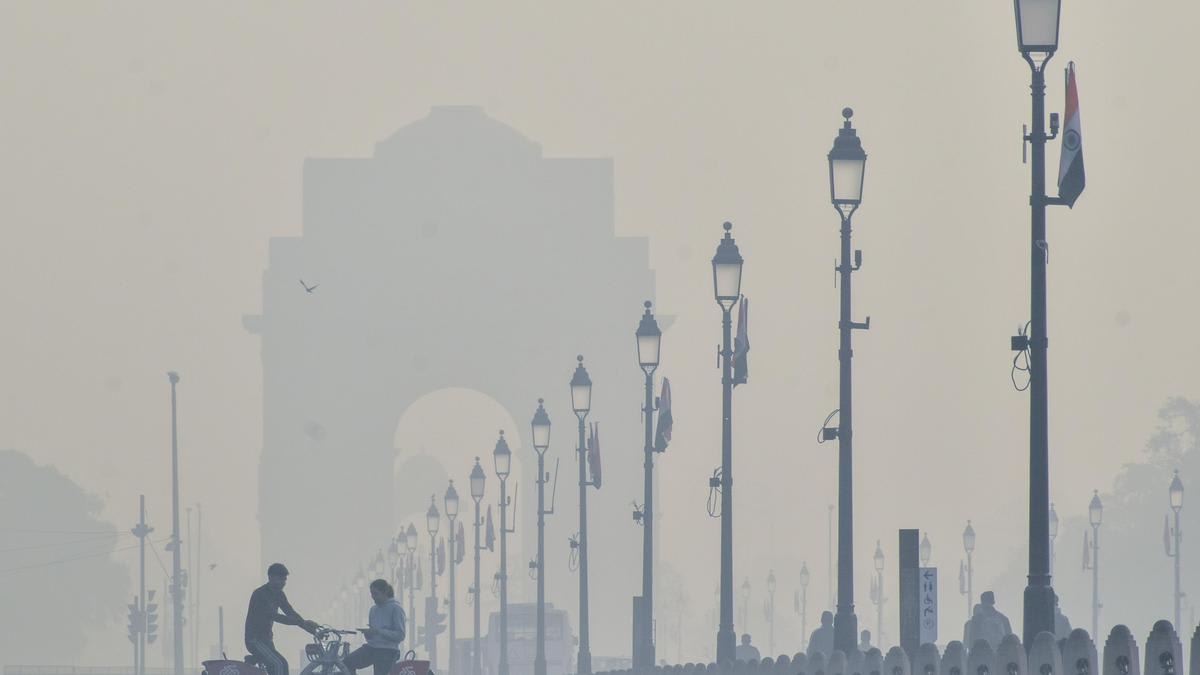
India's persistent air pollution crisis, highlighted by record AQI levels, demands a shift toward clean energy and a public-led movement. Experts urge systemic changes and behavioral shifts to mirror the success of campaigns like the Swachh Bharat Mission.
The Persistent Crisis of India's Air Quality
The annual deterioration of air quality across India, particularly in the northern plains, has become a predictable yet devastating phenomenon. As AQI levels frequently breach the 400 mark in the National Capital Region (NCR), roughly 80 million people, including vulnerable infants and the elderly, are left struggling to breathe. Despite over a decade of monitoring efforts and interventions, the air quality remains stubbornly poor, often exceeding World Health Organization (WHO) safety thresholds by a factor of eight.
The Gap in Current Strategies
According to IIT Kanpur professor Sachchida Nand Tripathi, the primary issue lies in a lack of structural transition. While monitoring systems have improved, they have not translated into tangible improvements in air quality. Even in states known for significant biomass burning—Punjab, Haryana, and Uttar Pradesh—where marginal decreases in fire counts have been recorded, the overall pollution levels continue to rise. This indicates that current interventions are insufficient to offset the rapid pace of urban and industrial growth.
Transitioning to Clean Energy
Professor Tripathi emphasizes that achieving a significant change in the Air Quality Index (AQI) requires crossing a critical threshold in national energy and transportation policies. Incremental changes are failing to move the needle; instead, India must commit to a systemic shift toward cleaner energy sources and sustainable transportation infrastructure. Without a fundamental change in how energy is consumed, the atmospheric conditions in cities like Delhi will continue to degrade.
Lessons from Civic Mobilization
The crisis is not merely a technical or regulatory failure but a social one. There is an urgent need for a sustained movement, similar to the Swachh Bharat Mission, to engage the public. By fostering collective ownership of clean air, the government can encourage responsible civic behavior. Lessons from past national campaigns suggest that when citizens feel empowered and informed about the health impacts of pollution, behavioral changes become more permanent and impactful.
Future Trends and Health Implications
Looking ahead, the predictability of this crisis suggests that India faces a public health emergency that will persist unless communication strategies are improved. It is crucial to link specific pollution levels to verifiable health outcomes to create a sense of urgency among the populace. As long as air quality remains significantly higher than global safety standards, the economic and health-related costs for the country will continue to escalate, necessitating a shift from reactive measures to proactive, long-term environmental planning.
Verification Required?