India’s 5th-gen stealth AMCA aircraft: 3 consortium submit bids, evaluation under way
Source Entity
SURENDRA SINGH
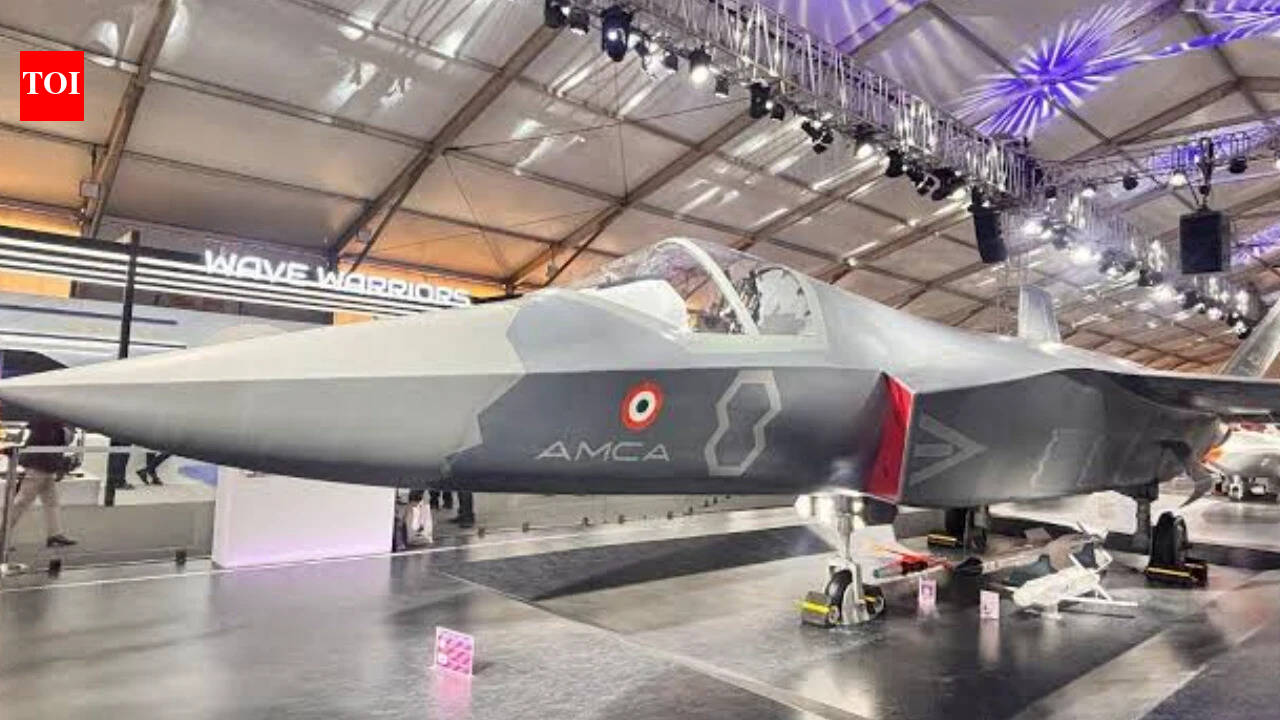
India has moved forward with its Advanced Medium Combat Aircraft (AMCA) program, with three major industrial consortia submitting bids for prototype development. This fifth-generation stealth fighter initiative aims to bolster the Indian Air Force's operational capabilities and address ongoing squadron shortages.
India’s Leap into Fifth-Generation Stealth Technology
India has officially entered a critical phase in its pursuit of indigenous fifth-generation stealth warfare capabilities. The Defence Ministry has confirmed that three major industrial contenders have submitted formal bids for the development of prototypes for the Advanced Medium Combat Aircraft (AMCA) programme. This Rs 15,000-crore project represents a cornerstone of India’s 'Atmanirbhar Bharat' (self-reliant India) initiative, aiming to transform the nation from a traditional technology importer into a sophisticated manufacturer of cutting-edge aerospace systems.
The Contenders and the Evaluation Process
The bidding process features high-profile industrial players, including the Tata Advanced Systems Ltd (TASL) and an L&T-led consortium comprising Bharat Electronics Limited (BEL) and Dynamatic Technologies. A high-level committee appointed by the Ministry of Defence is currently engaged in a rigorous evaluation of these proposals. The primary objective is to select a partner capable of executing the design vision provided by the Aeronautical Development Agency (ADA), ensuring that the resulting prototypes meet the stringent stealth and performance standards required for modern aerial combat.
Engineering for the Future: The Prototype Roadmap
Developing a fifth-generation fighter is a monumental engineering challenge. The current plan outlines the construction of five prototypes, which will serve as the testbeds for the final production model. These aircraft are scheduled to undergo an exhaustive series of 1,800 test sorties spanning a seven-year timeline. This iterative testing phase is essential for validating the aircraft’s stealth characteristics, maneuverability, and advanced avionics, ensuring it can operate effectively in increasingly contested electromagnetic environments.
Strategic Engine Integration
A critical component of the AMCA’s performance profile is its propulsion system. The current strategy leans toward powering the aircraft with twin GE F414 engines. The success of this integration is contingent upon the proposed joint production deal between Hindustan Aeronautics Limited (HAL) and the US-based General Electric. This partnership is not merely a logistical requirement but a strategic alignment that leverages American engine technology to power India’s indigenous airframe, bridging the gap between current operational needs and future technological sovereignty.
Addressing the Squadron Shortfall
The AMCA programme is strategically timed to address the Indian Air Force’s (IAF) pressing need to mitigate its fighter squadron shortfall. As legacy platforms are gradually retired, the introduction of the AMCA is intended to provide a technological edge in the South Asian theatre. By integrating low-observable (stealth) features and advanced sensor fusion, the AMCA will serve as a force multiplier, ensuring that the IAF maintains a qualitative advantage against evolving regional threats.
Conclusion and Future Outlook
The progression of the AMCA programme signals a maturing of India's defence industrial base. While the project faces a lengthy development cycle and complex technical hurdles, the formalization of the bidding process confirms that India is committed to the long-term goal of fifth-generation air superiority. As the evaluation committee reviews the submissions, the aerospace sector remains focused on the successful integration of domestic manufacturing prowess with international engine technology to secure the future of the Indian Air Force.