Asian Games: Karate team leaves without coaches; equestrian riders caught in accred maze
Source Entity
SABI HUSSAIN
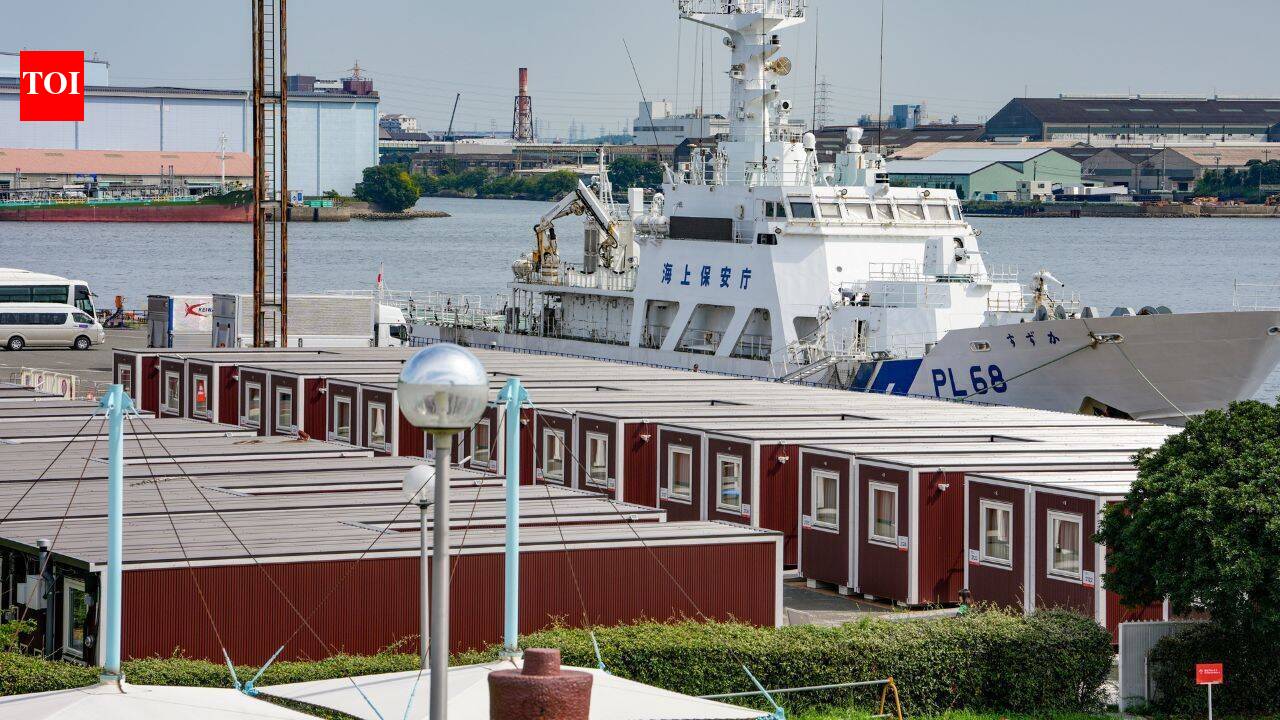
Indian athletes at the 2026 Aichi-Nagoya Asian Games are facing significant logistical hurdles, including accreditation delays for coaches and accommodation shortages. Despite these administrative setbacks, India is set to compete in a diverse range of new sports, reflecting the country's expanding athletic footprint.
Administrative Hurdles and Logistical Chaos at the 2026 Asian Games
The lead-up to the 2026 Aichi-Nagoya Asian Games has been marred by significant logistical and administrative failures for the Indian contingent. Reports confirm that athletes across multiple disciplines, including rowing, shooting, and karate, have encountered severe obstacles upon arrival. From missing names on official registration lists to a lack of designated lodging, the initial phase of the games has proven to be a difficult transition for India’s 503-member delegation.
The Crisis of Accreditation
One of the most pressing issues is the systemic failure regarding coach accreditation. Reigning Asian karate champion Alisha Choudhary has faced persistent inaction from sports authorities and the Indian Olympic Association (IOA) regarding her coach, Vikas Panchal. Similarly, equestrian riders are currently navigating a complex 'accreditation maze,' with some forced to plan long-distance travel to Nagoya just to resolve registration errors. In the shooting discipline, prominent coach Samaresh Jung has also faced access restrictions, which could critically impact the team’s performance oversight during competition.
Impact on Preparation
Beyond administrative documentation, physical preparation has been compromised. The rowing team, for instance, saw their training schedules disrupted by the late arrival of essential equipment, specifically their oars. Such lapses in logistical support during the high-stakes environment of an international multi-sport event place an undue burden on athletes, forcing them to navigate bureaucratic incompetence alongside the physical demands of competition.
Embracing New Sporting Frontiers
The 2026 Games mark a significant evolution in the sporting program, introducing Indian athletes to unique disciplines such as teqball, kurash, soft tennis, sepak takraw, and sport climbing. These sports, which blend traditional wrestling, football, and volleyball mechanics, signal a shift in the Asian Games' focus toward dynamic and culturally diverse athletic expressions. India’s participation in these categories highlights a broader ambition to diversify its sporting pedigree beyond traditional medal-winning events.
Broader Implications and Future Trends
The current situation underscores a recurring challenge for Indian sports governance: the gap between the scale of the delegation and the efficiency of the support infrastructure. As India continues to send larger contingents to international stages, the need for seamless integration between the IOA and host organizers becomes paramount. Failure to address these 'forgettable welcomes' not only jeopardizes the immediate performance of individual athletes but also risks diminishing the morale of a squad that has worked years to reach the Aichi-Nagoya stage.
Conclusion
While the introduction of new sports like teqball and sport climbing offers a promising outlook for India’s athletic growth, the immediate priority remains the resolution of these administrative failures. The IOA must prioritize the accreditation and accommodation of its athletes and coaches to ensure that the focus remains on the field of play rather than the bureaucracy of the Games. Moving forward, the lessons learned from this chaotic start must serve as a blueprint for better planning in future international sporting ventures.
Multiple Citing Sources