Security, Ganga Waters: Issues Ahead Of Proposed PM Modi-Tarique Rahman Meeting
Source Entity
NDTV News Search Records Found 1000
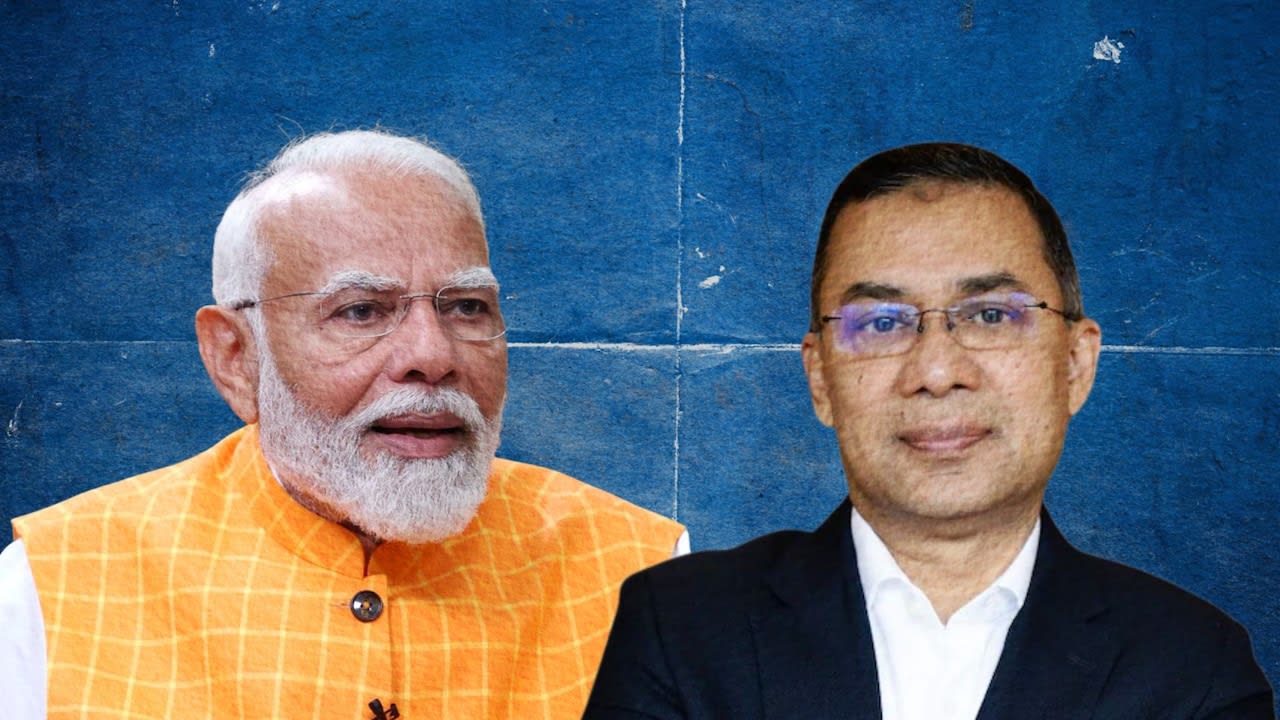
India has formally invited Bangladesh Prime Minister Tarique Rahman to New Delhi to discuss critical bilateral issues. The agenda includes addressing security concerns, water-sharing treaties, and Bangladesh's urgent requests for fuel amid an energy crisis.
Strengthening Indo-Bangladesh Diplomatic Ties
Recent diplomatic developments indicate a significant push toward deepening engagement between New Delhi and Dhaka. Following his assumption of office in February, Bangladesh Prime Minister Tarique Rahman received a formal invitation from the Indian government for a bilateral visit. This invitation underscores India's commitment to maintaining a stable and collaborative relationship with its neighboring partner, signaling a proactive approach to regional diplomacy.
Addressing the Energy Crisis
A primary focus of the upcoming dialogue will be the economic stability of Bangladesh, specifically regarding its current energy crisis. New Delhi has confirmed that it is actively examining a request from the Bangladeshi government for increased fuel supplies. This request highlights the interconnected nature of the regional economy, where India serves as a vital energy partner, helping to mitigate the inflationary pressures and industrial slowdowns currently challenging Bangladesh.
The Geopolitics of Water and Security
Beyond immediate economic aid, the meeting is expected to address long-standing strategic issues, most notably the management of Ganga waters. Water-sharing remains a complex and sensitive topic in bilateral relations, requiring careful negotiation to balance the agricultural and ecological needs of both nations. Furthermore, security cooperation remains a cornerstone of the partnership, as both countries seek to address regional stability and border management concerns that have historically influenced the diplomatic climate.
Historical Context of Bilateral Relations
The trajectory of Indo-Bangladesh relations has evolved through decades of cooperation, moving from historic ties established during Bangladesh's independence movement to a modern partnership centered on trade and connectivity. By inviting Prime Minister Rahman to New Delhi, India is reinforcing its 'Neighborhood First' policy, recognizing that the prosperity of the South Asian region is inextricably linked to the strength of its bilateral frameworks.
Future Trends and Regional Stability
Looking ahead, the success of this meeting could set the tone for regional cooperation for the remainder of the decade. If the two leaders can reach an accord on energy support and water-sharing, it will likely pave the way for increased infrastructural projects and deeper economic integration. The ability of India and Bangladesh to resolve these issues through institutional dialogue, rather than unilateral action, will be a critical indicator of regional stability and the effectiveness of modern diplomacy in the Indian subcontinent.
Verification Required?