Phuket-Delhi A320 lost flight controls for 4 seconds, Airbus preliminary probe finds
Source Entity
SAURABH SINHA
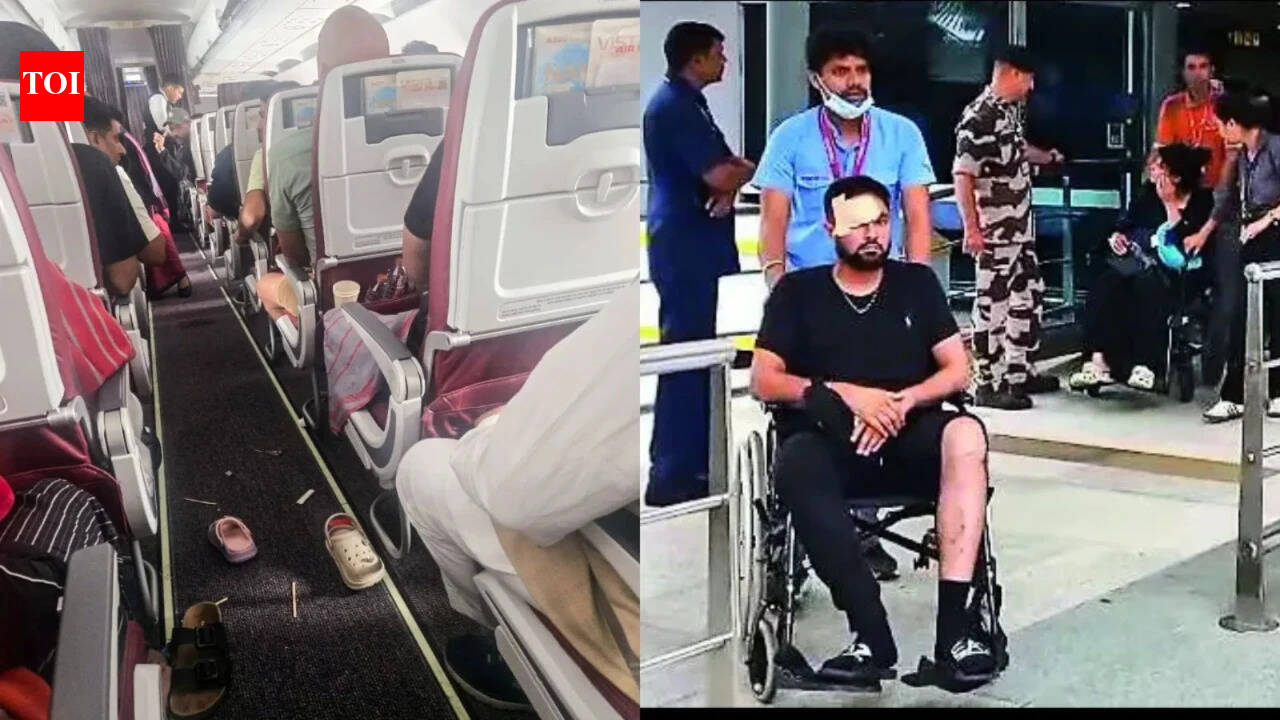
An Airbus A320 flight from Phuket to Delhi experienced a critical four-second loss of flight controls due to a suspected faulty pressure sensor. The incident resulted in 24 injuries, prompting an ongoing investigation and mandatory maintenance checks by Air India.
Critical Control Failure on Air India Flight AI-2379
On August 4, an Air India Airbus A320 operating the Phuket to Delhi route experienced a harrowing mid-air emergency that has triggered a significant investigation by the aircraft manufacturer. According to preliminary findings from Airbus, the aircraft suffered a complete loss of flight controls—specifically the elevators and ailerons—for a duration of approximately four seconds. This loss of control resulted in a sudden altitude drop, leaving 24 passengers and crew members injured during the flight.
Technical Analysis of the Incident
Digital Flight Data Recorder (DFDR) analysis conducted by Airbus indicates that the critical failure occurred within a seven-second window. The elevators, which govern the vertical pitch of the aircraft, and the ailerons, responsible for roll, were unresponsive during this brief but terrifying interval. Airbus has identified a possible faulty pressure sensor as the primary catalyst for this malfunction, suggesting that erroneous data inputs may have compromised the flight control systems during the cruise phase.
Regulatory and Maintenance Scrutiny
In response to these findings, Airbus has mandated that Air India perform a series of rigorous diagnostic tests on the affected A320. The airline is required to provide comprehensive documentation regarding the aircraft's recent maintenance history. This level of oversight is standard procedure in aviation safety, ensuring that any systemic issues—whether related to sensor degradation, software glitches, or maintenance oversights—are identified and mitigated before the aircraft returns to active service.
Broader Implications for Aviation Safety
This incident highlights the delicate reliance modern aviation has on complex sensor arrays. When a vital component like a pressure sensor fails, it can theoretically lead to a cascade of errors in the fly-by-wire system. The fact that the controls were restored after four seconds suggests the aircraft’s redundancies may have engaged, but the injuries sustained by those on board underscore the volatility of such technical anomalies.
Historical Context and Future Trends
Historically, the Airbus A320 series has maintained a strong safety record, yet incidents involving sensor-driven flight control anomalies serve as a reminder of the continuous need for rigorous fleet maintenance. As airlines globally push for higher utilization rates, the pressure on maintenance schedules increases. This investigation will likely lead to updated maintenance protocols or potential service bulletins from Airbus to address sensor reliability across the global A320 fleet.
Conclusion
As the investigation continues, the aviation industry will be watching closely to see if this was an isolated sensor failure or a broader issue requiring fleet-wide modification. For Air India, the focus remains on cooperating with Airbus to ensure the safety of its passengers and the integrity of its technical operations. The swift identification of the four-second control gap via the DFDR remains a testament to the importance of flight telemetry in modern aviation safety.