Xi’s super carrier gambit: China unleashes new strategy to challenge US naval dominance in Pacific?
Source Entity
Latest News: Todays Latest News Headlines from India & World | Hindustan Times | Hindustan Times
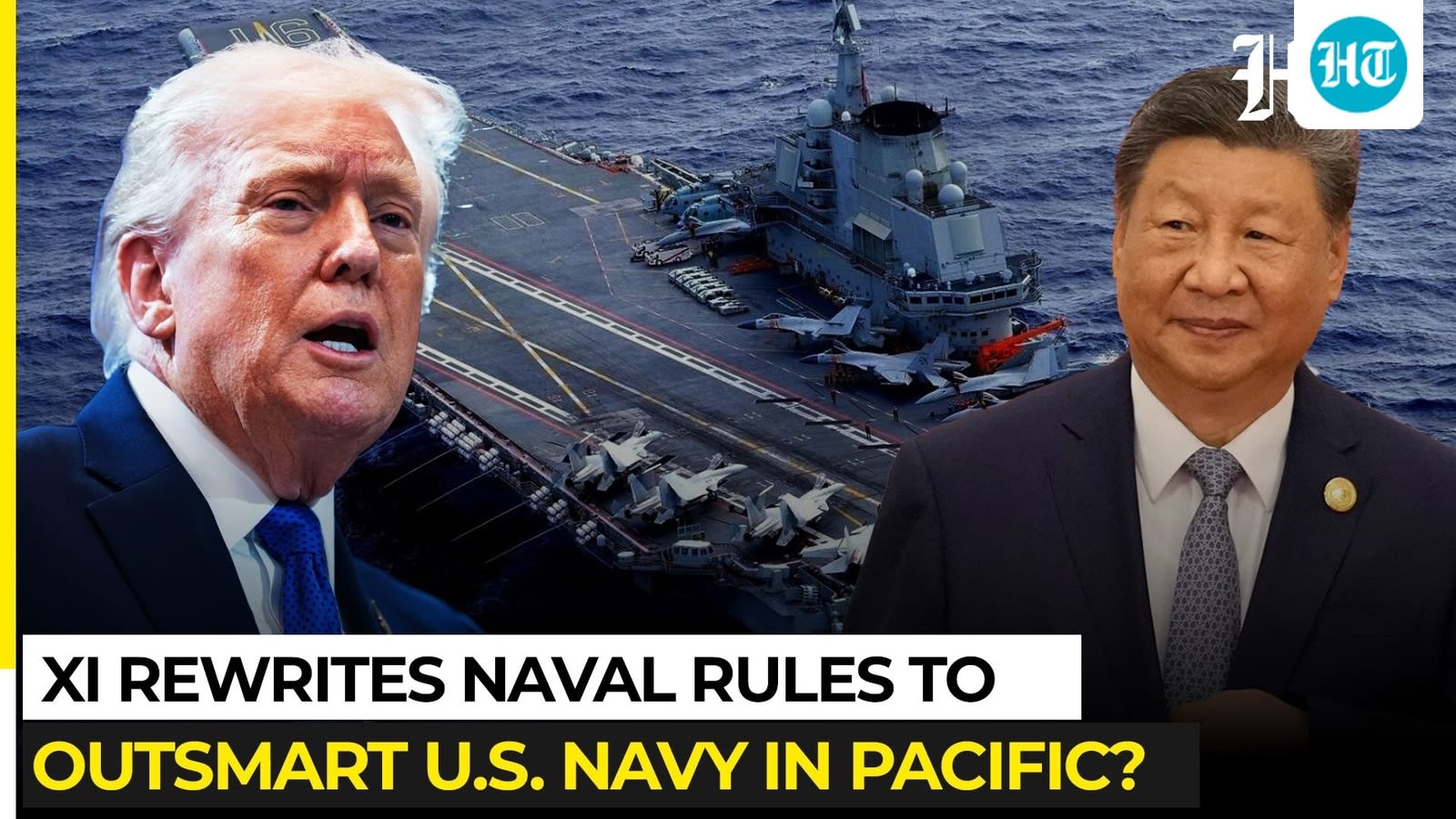
China is advancing a new naval doctrine that integrates aircraft carriers like the Fujian with land-based missiles and space assets. This strategy aims to challenge U.S. naval dominance in the Pacific by creating a multi-layered defense and strike network.
The Fujian and the Evolution of Chinese Naval Doctrine
China’s recent strategic pivot marks a significant shift in its maritime ambitions, moving beyond simple fleet expansion toward a sophisticated, multi-domain integration. At the heart of this development is the Fujian, China’s latest supercarrier, which is nearing full operational capability. Unlike previous iterations, this vessel represents a technological leap that allows Beijing to project power further from its coastline, signaling an intent to challenge the long-standing U.S. naval hegemony in the Indo-Pacific region.
Integrating Multi-Domain Warfare
The core of Beijing's new doctrine lies in its holistic approach to naval engagement. Rather than relying solely on carrier strike groups, the People's Liberation Army (PLA) is synthesizing naval assets with a vast array of land-based fighters, advanced missile systems, and sophisticated air defense networks. This integrated architecture ensures that the carrier does not operate in isolation but is instead supported by a 'system-of-systems' approach that maximizes lethality and survivability in contested waters.
Leveraging Space and Electronic Assets
Beyond traditional sea and air power, the inclusion of space-based assets into this strategy highlights China's focus on modern, information-led warfare. By utilizing satellite reconnaissance and communication capabilities, the PLA can coordinate its naval movements and missile strikes with unprecedented precision. This capability is designed to negate the mobility and stealth advantages traditionally enjoyed by U.S. carrier strike groups, creating a 'denial' environment where American naval presence becomes increasingly risky and difficult to sustain.
Strategic Implications for the Pacific
The geopolitical ramifications of this shift are profound. As China refines its ability to pair carrier-based aviation with land-based, anti-ship ballistic missiles, the traditional boundaries of naval engagement in the Pacific are being redrawn. This creates a strategic dilemma for U.S. planners, who must now account for a adversary that can strike from multiple vectors simultaneously, effectively pushing the reach of U.S. naval power further back from Chinese shores.
Future Trends and Regional Stability
Looking forward, the operationalization of the Fujian will likely set a new benchmark for naval competition in the region. As Beijing continues to test the limits of this doctrine, regional neighbors and the United States will be forced to recalibrate their own defensive postures. The success of this strategy will depend heavily on China's ability to maintain seamless integration across its various military branches, a challenge that will define the security landscape of the Pacific for the next decade.
Conclusion
In summary, China’s new carrier doctrine is not merely an investment in hardware, but a fundamental change in how Beijing plans to project force. By weaving together carriers, missiles, and space assets, China is actively dismantling the status quo. The coming years will be critical in determining whether this strategic gambit successfully shifts the balance of power or triggers a new era of intensified maritime competition.
Verification Required?