From Cocaine To Fentanyl: Trump's War Chief Unveils US Military Crackdown On Cartels
Source Entity
Latest News: Todays Latest News Headlines from India & World | Hindustan Times | Hindustan Times
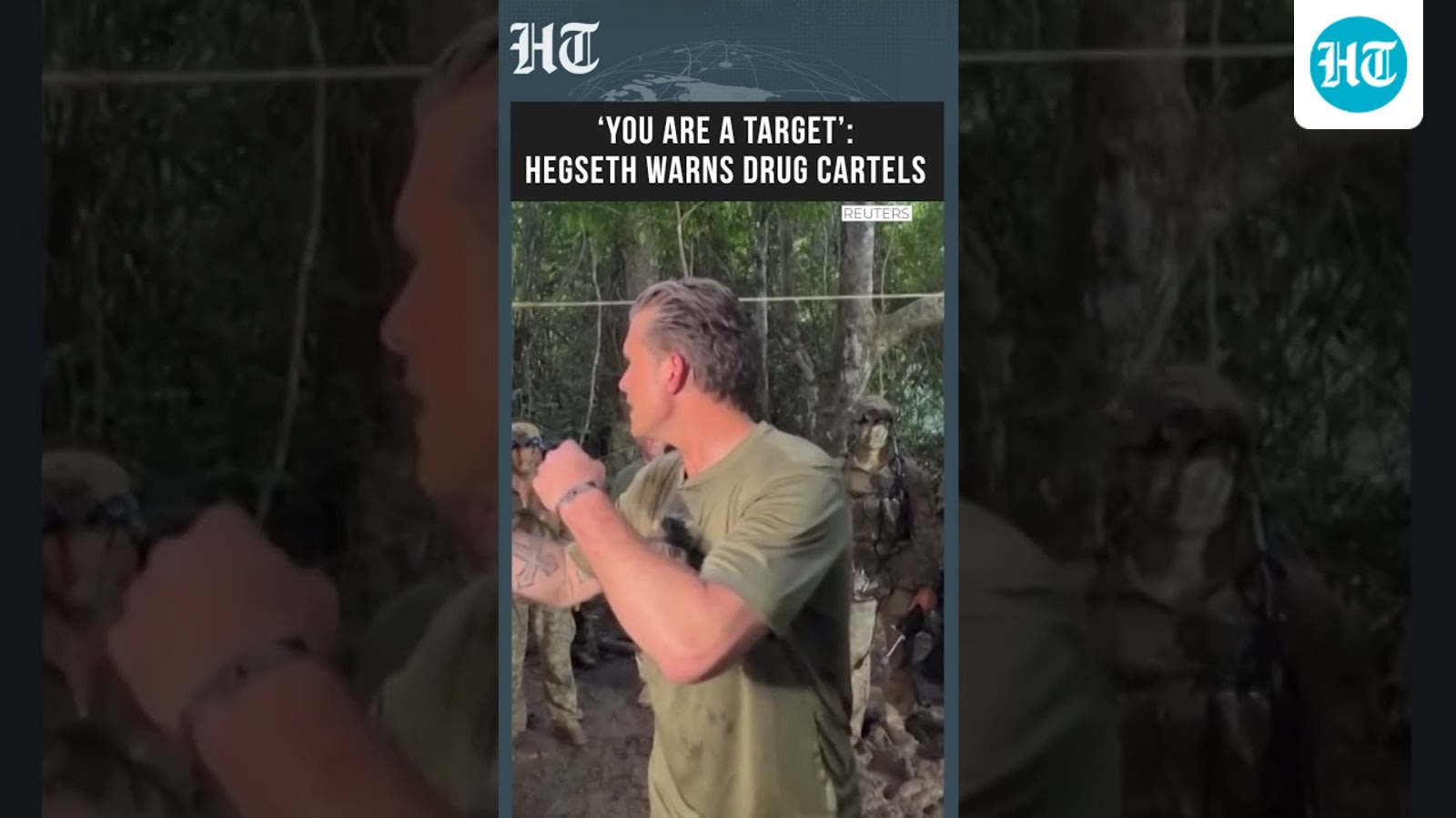
US Defense Secretary Pete Hegseth has announced a new military crackdown on drug cartels, treating them as terrorist organizations. The operation will utilize US Southern and Northern Commands to target trafficking networks across Latin America and Mexico.
The Militarization of the War on Drugs
In a significant shift in U.S. national security strategy, Defense Secretary Pete Hegseth announced on Wednesday, August 12, that the United States military is pivoting toward a more aggressive, kinetic approach to dismantling drug cartels. By explicitly comparing these criminal syndicates to established terrorist organizations such as ISIS and Al-Qaeda, the Department of Defense is signaling a move away from traditional law enforcement-led interdiction toward a broader military engagement model.
Strategic Scope and Operational Reach
The proposed campaign is geographically extensive, aiming to disrupt the entire supply chain of illicit substances. Hegseth noted that the operations will span from established cocaine trafficking routes in Latin America to the complex fentanyl distribution networks currently operating within Mexico. By targeting the network as a whole, the Pentagon intends to move beyond simple seizures and instead apply pressure on the logistical and financial infrastructure that sustains these illicit organizations.
Leveraging Command Coordination
A critical component of this initiative is the synchronization of two major combatant commands: the U.S. Southern Command (SOUTHCOM) and the U.S. Northern Command (NORTHCOM). This dual-command approach suggests a seamless operational theater that bridges the gap between the source nations in the south and the transit corridors leading into North America. By utilizing a "networked campaign" strategy, the military aims to eliminate the operational silos that cartels have historically exploited to evade capture.
Tactical Parallels to Counter-Terrorism
By adopting tactics similar to those used in counter-terrorism operations, the U.S. military is likely to emphasize intelligence-driven strikes, special operations, and enhanced regional partnerships. Hegseth’s announcement, delivered during a jungle operations training course in Panama, underscores the importance of the terrain in these conflicts. This indicates that the U.S. is preparing for sustained, high-intensity engagement in environments that are notoriously difficult to police, mirroring the challenges faced in previous Middle Eastern theaters.
Broader Implications and Future Outlook
The move to label drug cartels as military targets marks a profound escalation in the "War on Drugs." This strategy suggests that the U.S. government views the fentanyl crisis and systemic cartel violence as existential threats to national security rather than mere criminal issues. If successful, this could fundamentally alter the power dynamics in Latin America; however, it also risks diplomatic friction with regional partners who may be wary of increased U.S. military presence within their borders.
Conclusion
As the Pentagon prepares to deploy these counter-terrorism-style tactics against drug networks, the landscape of regional security is set to change dramatically. The effectiveness of this campaign will depend on the ability of SOUTHCOM and NORTHCOM to maintain operational cohesion while navigating the complex political realities of the Western Hemisphere. The world will be watching closely as the U.S. transitions from a policy of containment to one of direct military confrontation with transnational criminal enterprises.
Verification Required?