"Nobody Can Give Time Frame": Indian Envoy On Sheikh Hasina's Extradition
Source Entity
NDTV News Search Records Found 1000
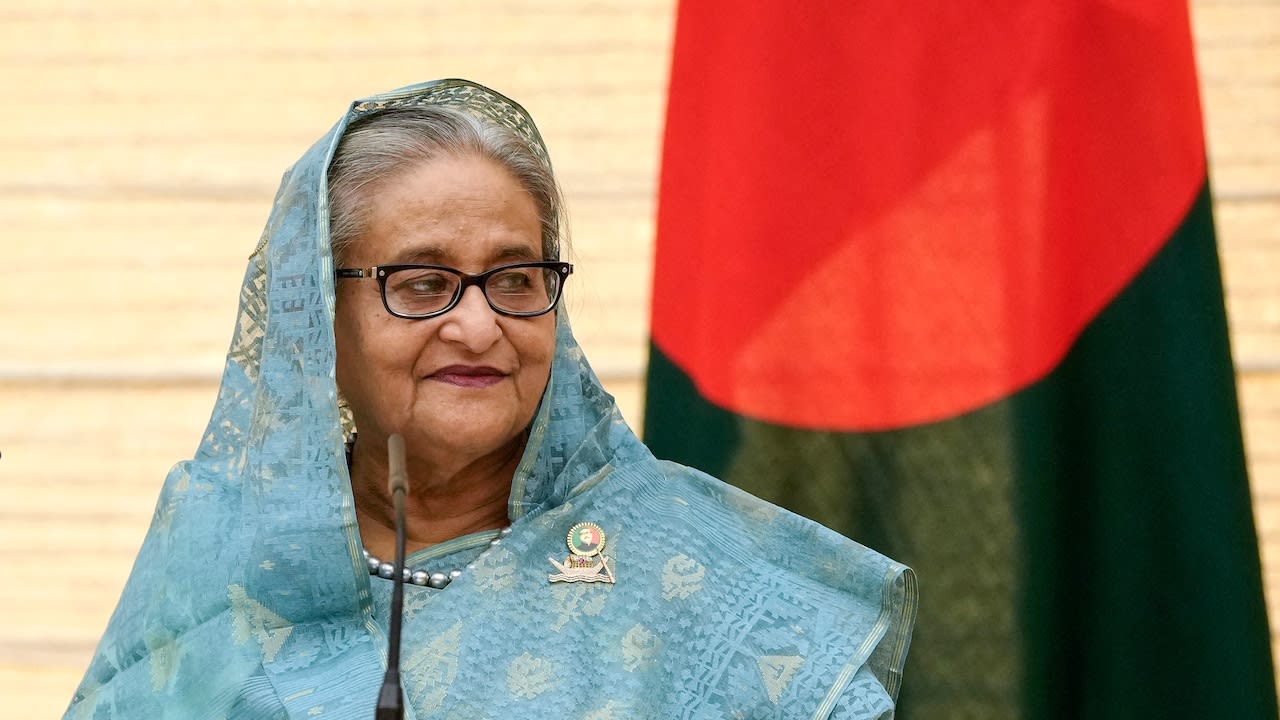
Indian High Commissioner Dinesh Trivedi has clarified that there is no set timeline for the extradition of former Bangladeshi PM Sheikh Hasina. He emphasized that her presence in India is subject to a structured legal process, noting that India had limited options during the crisis in 2024.
The Diplomatic Impasse: Sheikh Hasina’s Status in India
The ongoing discourse surrounding the whereabouts and potential repatriation of former Bangladeshi Prime Minister Sheikh Hasina has reached a critical juncture. High Commissioner Dinesh Trivedi’s recent statements at the Bay of Bengal Conversation in Dhaka have provided the most significant clarity to date, framing the situation not as a political whim, but as a subject of rigorous legal examination. By confirming that there is no fixed timeline for her return, the Indian government has effectively signaled that any movement on this issue will be dictated by judicial and international protocols rather than immediate political pressure.
Historical Context of the 2024 Crisis
To understand the current tension, one must look back at the chaotic events of July and August 2024. As the political landscape in Dhaka crumbled, Sheikh Hasina sought refuge in India. Commissioner Trivedi’s assertion that India had "hardly any choice" highlights the suddenness of the collapse and the humanitarian urgency of the moment. This context is essential for understanding why India views its current stance as a continuation of a crisis-management decision rather than a deliberate obstruction of Bangladeshi justice.
The Role of Legal Frameworks
Extradition is rarely a swift process, particularly between sovereign nations with complex histories. The High Commissioner’s emphasis on a "well-structured process" suggests that New Delhi is preparing for a scenario where the request for extradition is treated with the gravity of international law. By insisting that a legal process is already in place, India is insulating itself against accusations of shielding the former leader, while simultaneously maintaining that it will not bypass established legal norms to satisfy the current government's demands.
Strained Bilateral Relations
The extradition request serves as a focal point for the broader strain in India-Bangladesh relations. As the new administration in Dhaka seeks to solidify its legitimacy by pursuing those associated with the previous regime, the presence of the 79-year-old former leader in India becomes a diplomatic liability. The public nature of these discussions at a think-tank event suggests that both nations are navigating a delicate balance: Dhaka needs to satisfy domestic calls for accountability, while New Delhi must uphold its commitment to international asylum standards and diplomatic hospitality.
Future Trends and Implications
Predicting the future of this standoff requires acknowledging that the "legal process" mentioned by Trivedi is likely to be prolonged. Any future outcome will depend on the strength of the evidence provided by Bangladesh and the willingness of the Indian judiciary to interpret the extradition treaty in the context of the political turmoil of 2024. As the situation remains fluid, we can expect a continued state of diplomatic friction, where both sides utilize the language of "legal procedure" to manage domestic expectations while avoiding a total breakdown in communication.
Conclusion
The situation remains a complex intersection of regional security, international law, and domestic political pressure. While the new Bangladeshi government remains resolute in its pursuit of Hasina, the insistence on a structured legal path by Indian officials ensures that there will be no short-term resolution. The case will likely remain a defining feature of India-Bangladesh relations for the foreseeable future, serving as a test of how both nations handle the volatile legacy of the 2024 transition.
Verification Required?