India has registered over 99% of births, deaths. Here’s why it matters, an expert explains
Source Entity
Moradhvaj Dhakad
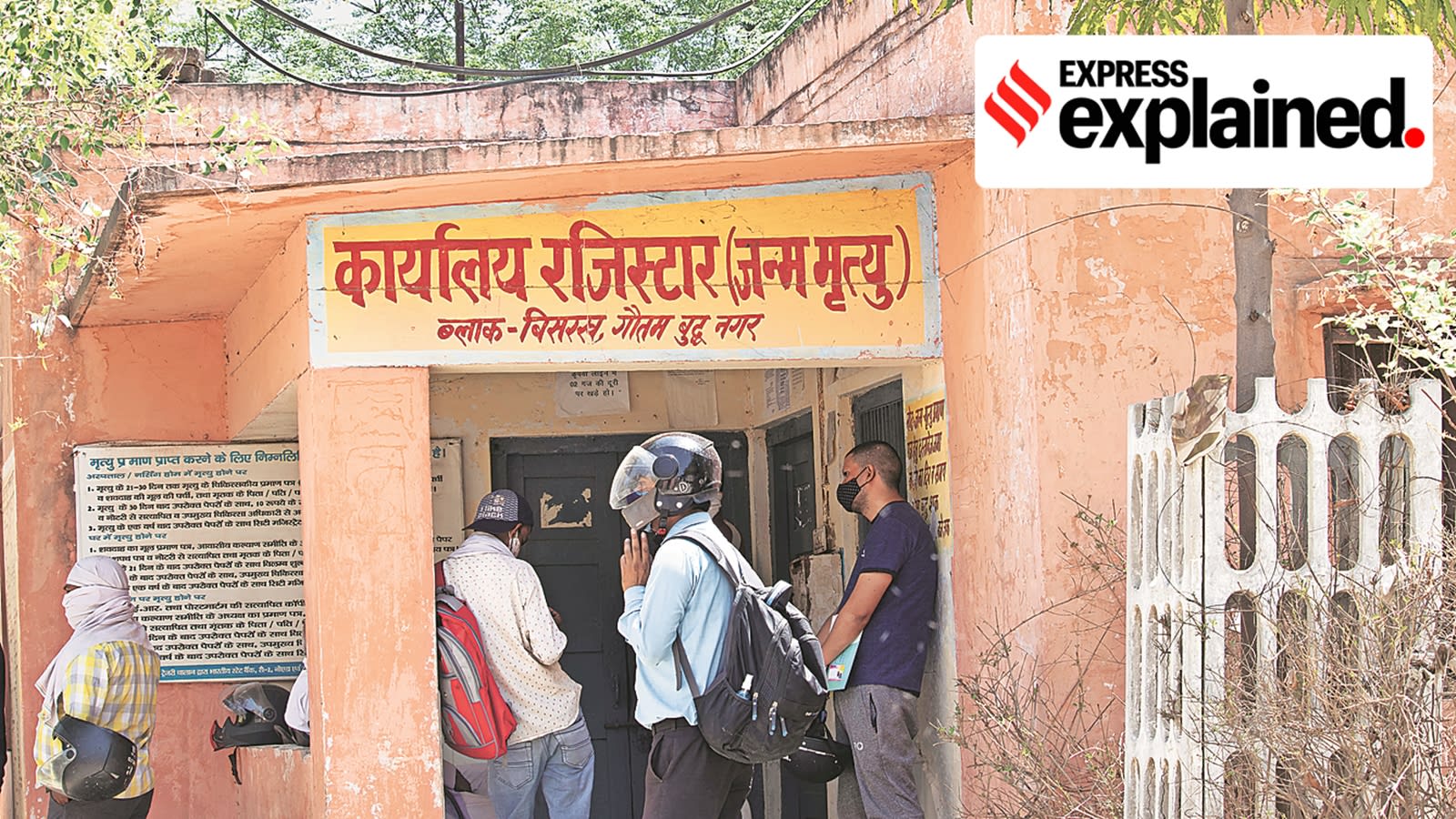
India officially recorded more than 99% of its estimated births and deaths in 2024, according to the latest official data released earlier this month. This marks a significant increase in coverage in ...
A Landmark in Demographic Governance: India's 99% Vital Registration
India has reached a critical milestone in its administrative and public health infrastructure by officially recording over 99% of its estimated births and deaths in 2024. This achievement represents a paradigm shift in how the world's most populous nation tracks its citizenry. For decades, the challenge of 'under-registration'—particularly in remote rural areas and marginalized communities—has hindered the government's ability to create precise policies. By closing this gap, India is now transitioning from estimated demographic data to evidence-based governance, ensuring that almost every life event is captured within the state's official records.
The Digital Transformation of the Civil Registration System (CRS)
This surge in registration is not a coincidental spike but the result of a systematic overhaul of the Civil Registration System (CRS). The transition from cumbersome, paper-based registries to a streamlined digital framework has been pivotal. By leveraging digital portals and integrating registration processes with local health centers, the government has reduced the friction associated with reporting. The role of frontline health workers, such as Accredited Social Health Activists (ASHAs), has been indispensable in this process, as they act as the primary bridge between rural households and the state's digital infrastructure, ensuring that births and deaths are reported in real-time.
Implications for Public Health and Resource Allocation
From a public health perspective, the implications of 99% coverage are profound. Accurate birth and death data are the bedrock of any successful health strategy. With near-total coverage, health authorities can now calculate Infant Mortality Rates (IMR) and Maternal Mortality Ratios (MMR) with unprecedented precision. This allows for the hyper-localized allocation of medical resources, such as vaccines and neonatal care units, to the regions that need them most. When the state knows exactly where deaths are occurring and the causes behind them, it can identify emerging health crises or endemic patterns much faster than it could through sampled surveys.
Socio-Economic Empowerment and Legal Identity
Beyond health, the registration of births and deaths is a fundamental prerequisite for social justice and legal identity. A birth certificate is the primary document required for school enrollment, obtaining a passport, and accessing government welfare schemes. By ensuring nearly every child is registered, India is effectively reducing the number of 'invisible' citizens who are often excluded from social safety nets. Similarly, timely death registration is critical for the legal transfer of property, the settlement of insurance claims, and the provision of widow pensions, thereby preventing prolonged legal battles and economic hardship for grieving families.
Historical Context and the Fight Against Under-Reporting
Historically, India struggled with significant gaps in its vital statistics, often relying on the Sample Registration System (SRS) to estimate national trends. The disparity between estimated and registered events was often wide due to lack of awareness, geographic barriers, and administrative inefficiencies. The move to 99% registration marks the end of an era of approximation. It reflects a broader national trend of 'digitizing the citizen,' mirroring the success of the Aadhaar project, where the goal is to create a seamless, digital lifecycle record for every individual from birth to death.
Future Trajectories: Toward Predictive Governance
Looking ahead, this comprehensive dataset will likely be integrated into larger frameworks like the Ayushman Bharat Digital Mission. The next step for India will be moving from mere registration to 'predictive analytics.' By analyzing death patterns and birth rates in real-time, the government can predict future infrastructure needs—such as the number of schools or hospitals required in a specific district ten years down the line. This data-driven approach will likely lead to more efficient urban planning and a more responsive healthcare system that can adapt to demographic shifts in real-time.
Conclusion
India's achievement of over 99% registration for births and deaths is more than just a statistical victory; it is a foundational step toward a more transparent and inclusive state. By ensuring that nearly every citizen is accounted for, India is strengthening its social contract, improving its public health outcomes, and setting a global benchmark for demographic management in large, diverse populations.