India’s blind women cricketers still wait for house sites and jobs a year after their World Cup win
Source Entity
India Latest News: Top National Headlines Today & Breaking News | The Hindu
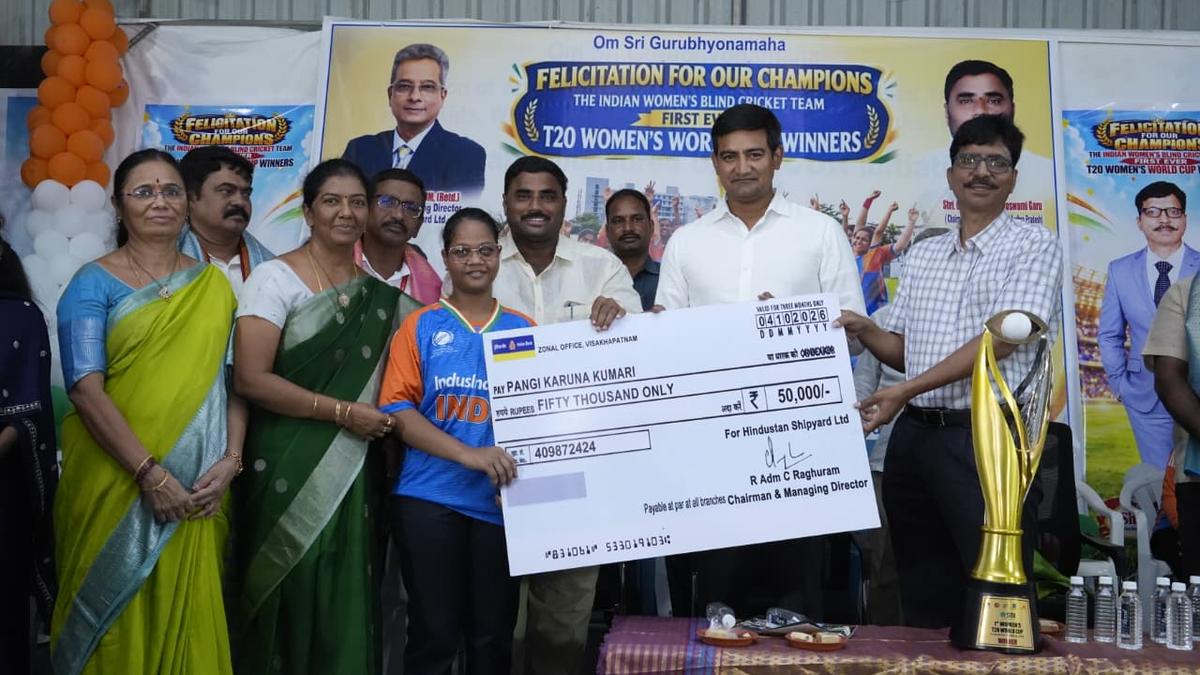
Despite captaining India to victory in the 2025 Women’s T20 World Cup for the Blind, Deepika T.C. and her teammates remain without promised government housing and jobs. The players face systemic barriers, including a lack of local training infrastructure and bureaucratic obstacles to accessing support.
The Unfulfilled Promises to India's Blind Cricket Champions
A Historic Victory Overshadowed by Bureaucratic Inertia
In November 2025, the Indian women’s blind cricket team achieved a monumental milestone by winning the inaugural Women’s T20 World Cup for the Blind, a tournament co-hosted by India and Sri Lanka. Led by captain Deepika T.C., the squad demonstrated exceptional skill and determination on the global stage. However, nearly a year after this historic triumph, the celebratory atmosphere has faded, replaced by the stark reality of unfulfilled government commitments. Deepika, hailing from Madakasira in Andhra Pradesh’s Sri Sathya Sai district, remains waiting for the house site officially promised to her by leaders and officials in the wake of the win.
Systemic Neglect and the Accessibility Gap
The struggle faced by Deepika and her 15 teammates highlights a broader systemic failure to support disabled athletes once the cameras stop rolling. Beyond the immediate issue of housing, these athletes report a chronic lack of essential infrastructure, such as accessible playgrounds and specialized fitness guidance within their local communities. For these cricketers, the inability to afford training in major metropolitan centers—where such facilities are concentrated—creates a formidable barrier to maintaining their professional standards. This geographic and economic disparity effectively sidelines world-class talent after a single tournament cycle.
The Burden of Bureaucracy on Visually Impaired Athletes
Deepika’s personal account reveals the exhausting nature of trying to secure government support while living with visual impairments. She has noted that the physical and logistical challenge of navigating complex government offices is nearly impossible without sustained assistance. When public promises of employment and housing are not proactively facilitated by the state, the burden of advocacy falls entirely on the athletes themselves. This creates an ironic paradox where the very individuals who brought national glory are forced to struggle for basic resources that were meant to be their reward.
Disconnect Between Public Rhetoric and Policy Execution
There is a profound disconnect between the public accolades provided by political leaders during victory celebrations and the reality of policy implementation. While public interest is high during the tournament, the subsequent lack of follow-through regarding jobs and housing suggests that support for blind cricket remains performative rather than structural. This lack of continuity prevents the professionalization of the sport, leaving athletes in a state of perpetual precarity despite their elite status.
Future Implications for Inclusive Sports
If the state fails to provide the promised support, it risks discouraging future generations of visually impaired athletes from pursuing cricket at a competitive level. The trajectory of this team serves as a litmus test for India's commitment to inclusivity in sports. Without dedicated government intervention to streamline the delivery of benefits and invest in local infrastructure, the achievements of these women may remain isolated incidents rather than the catalyst for a sustainable ecosystem for disabled sports in India. Ensuring that these champions receive their promised aid is not merely a matter of fulfilling a pledge, but a requirement for fostering an equitable sporting culture.
Verification Required?