A lunch, then a march: How Rahul-led opposition once again kept police guessing
Source Entity
RAJEEV SINGH
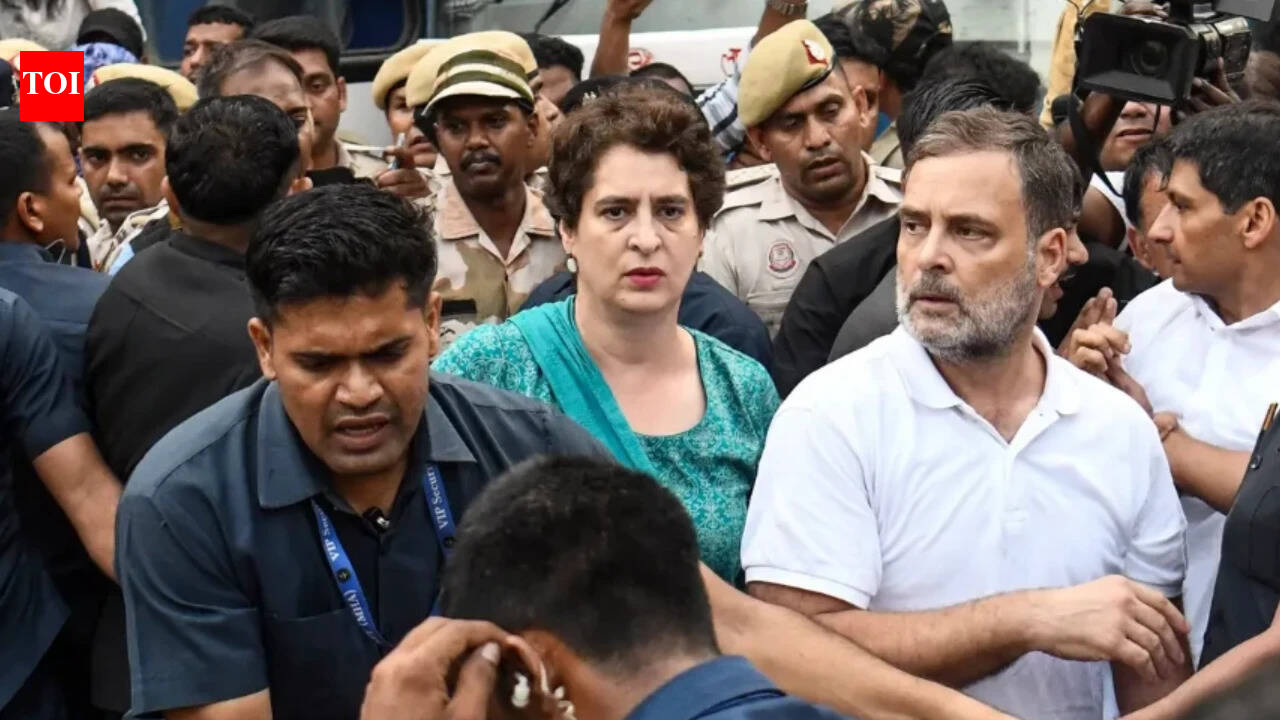
Congress president Mallikarjun Kharge hosted an INDIA bloc lunch at a Delhi restaurant, which prompted a police security response. The event highlighted ongoing coordination challenges within the opposition, marked by the Samajwadi Party's notable absence.
The Strategy of 'Dhappa' Protests
The recent gathering of INDIA bloc leaders at a Sagar Ratna restaurant in Connaught Place serves as a prime example of the evolving protest tactics employed by the Congress party and its allies. By utilizing a 'dhappa' or surprise-style approach, Rahul Gandhi and Congress leadership have effectively kept Delhi Police on high alert, forcing security forces to maintain a constant state of readiness. This tactic relies on the element of surprise to disrupt traditional security planning, turning routine social gatherings into flashpoints for political mobilization.
The Logistics of Political Mobilization
The choice of venue—a popular restaurant on Janpath—placed opposition leaders in close proximity to key government installations, including the Election Commission’s head office at Nirvachan Sadan. The presence of heavy barricading and cordoned-off footpaths by the Delhi Police underscores the high-stakes nature of these interactions. When Congress president Mallikarjun Kharge announced a sit-in at Jantar Mantar following the lunch, it signaled a shift from informal dining to formal political resistance, ensuring that the authorities remained reactive rather than proactive.
Internal Dynamics and Alliance Friction
While the lunch was intended to unify the INDIA bloc, the conspicuous absence of the Samajwadi Party (SP) highlighted underlying tensions within the coalition. Former Uttar Pradesh Chief Minister Akhilesh Yadav’s decision to return to Lucknow following his recent detention by Delhi Police prevented his participation. The subsequent inquiries by other lawmakers regarding SP’s absence suggest that the alliance is grappling with communication gaps and internal coordination issues, particularly following recent attempts by SP lawmakers to form a separate group during parliamentary marches.
Broader Implications for the Opposition
The recurring nature of these protests suggests that the Congress party is doubling down on a strategy of constant agitation to keep their demands in the public eye. By maintaining pressure through both planned marches and sudden sit-ins, the bloc aims to sustain momentum against the ruling establishment. However, the success of this strategy is contingent upon the absolute unity of its allies; any fragmentation, such as that seen with the SP, risks undermining the narrative of a singular, cohesive front.
Future Trends in Political Protest
Looking ahead, the INDIA bloc appears committed to a style of politics that blends social interaction with direct public confrontation. As the police continue to adapt to these 'dhappa' tactics by increasing their footprint in central Delhi, the opposition will likely need to refine its communication strategies to ensure that allies remain aligned. Whether these protests will lead to concrete policy shifts or remain symbolic gestures depends on the bloc's ability to iron out internal differences and sustain public interest over the long term.