Boost Cooking Gas Production: India To Local Refineries Amid Hormuz Crisis
Source Entity
NDTV News Search Records Found 1000
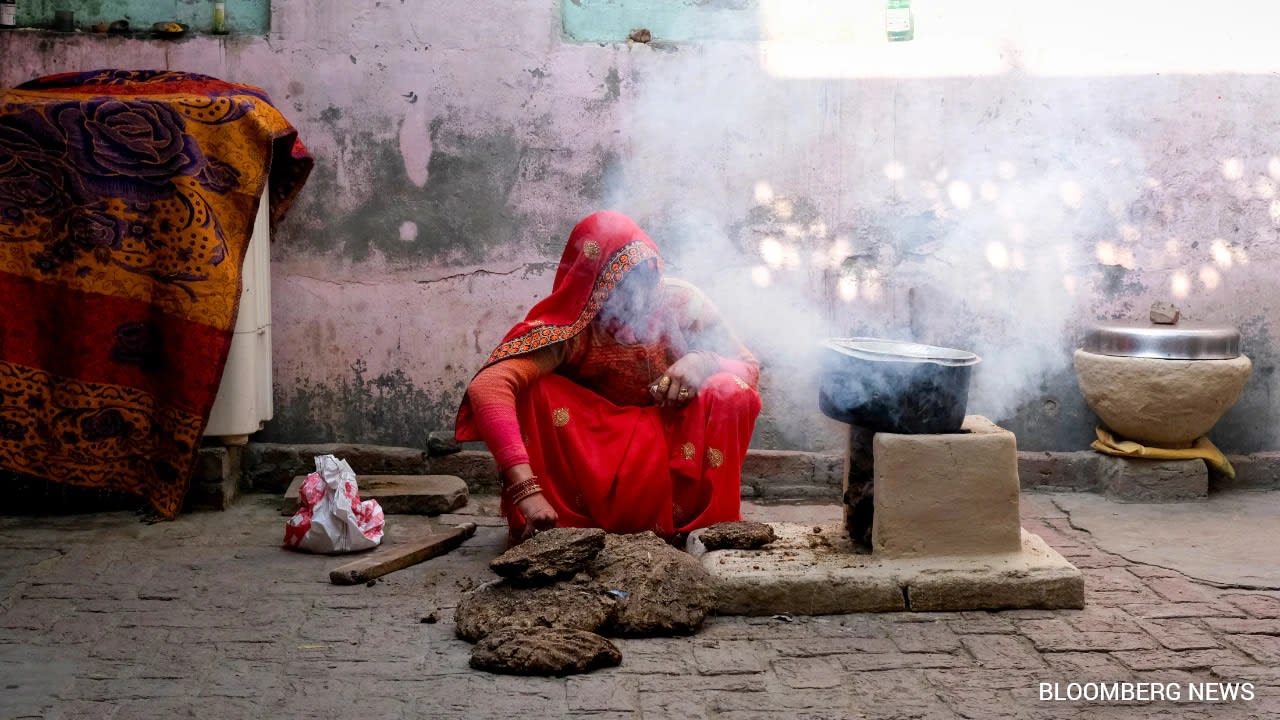
In response to the Hormuz crisis, the Indian government has mandated local refineries to ramp up cooking gas production to 63,810 tons daily. This strategic move aims to bolster national energy security and mitigate risks associated with potential supply chain disruptions.
Strengthening India’s Energy Resilience
In a proactive response to the escalating geopolitical tensions in the Strait of Hormuz, the Indian government has issued a strategic directive to domestic refineries to significantly ramp up the production of Liquefied Petroleum Gas (LPG). The new target, set at a capacity of 63,810 tons per day, represents a critical shift in national energy policy designed to insulate the country from global supply chain shocks. As a major consumer of energy, India is particularly vulnerable to disruptions in the Persian Gulf, necessitating a more robust domestic production framework.
The Strategic Importance of the Strait of Hormuz
The Strait of Hormuz serves as the world’s most vital oil chokepoint, with a significant percentage of global petroleum and natural gas passing through its narrow waters daily. Any instability in this region directly impacts India’s import costs and availability. By mandating an increase in local refining output, the government is effectively reducing its reliance on vulnerable maritime corridors, ensuring that the domestic market for cooking gas remains stable even if international transit routes face temporary blockages or surges in insurance and freight costs.
Scaling Domestic Infrastructure
Achieving a production capacity of 63,810 tons per day requires a coordinated effort between state-run and private refineries. This scale-up involves optimizing existing cracking units and improving the efficiency of natural gas processing plants. Beyond mere technical adjustments, this mandate signals a government-led push toward 'Atmanirbharta' or self-reliance in the energy sector. By prioritizing local capacity, India is not only securing its immediate needs but also investing in long-term industrial resilience.
Economic and Social Implications
Cooking gas is an essential commodity for millions of Indian households, making its price and availability a significant socio-political issue. Stable supply chains directly correlate to lower inflation risks and reduced subsidy burdens on the exchequer. If refineries meet this ambitious production target, the government can effectively hedge against the volatility of the global energy market, protecting consumers from the price shocks that typically follow regional conflicts in the Middle East.
Future Trends and Energy Security
Looking forward, this policy shift suggests that India will continue to prioritize domestic energy production as a core pillar of its national security strategy. The focus on reaching 63,810 tons per day is likely just the first step in a broader long-term plan to diversify energy sources and build strategic reserves. As geopolitical uncertainties persist, the ability to rely on local production will become an increasingly valuable asset, positioning India to better navigate the complexities of global energy dynamics in the coming years.
Verification Required?