14 reasons why a finance consultant moved to Bhopal from Mumbai
Source Entity
The Indian Express
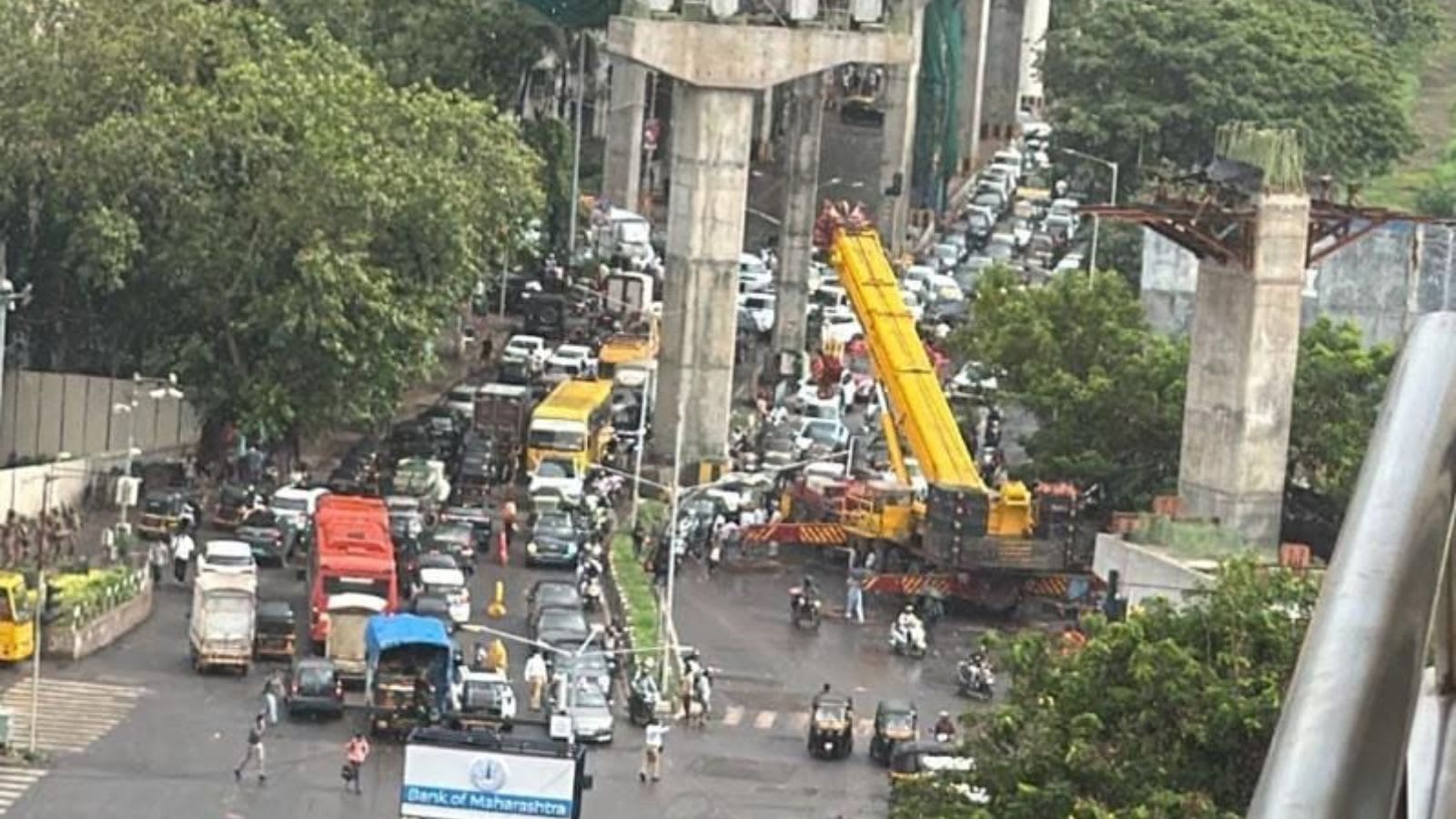
Wealth manager Kalyan Kumar Biswal has gained attention for detailing 14 reasons why he relocated from Mumbai to Bhopal. His shift highlights the growing trend of professionals prioritizing cost-of-living benefits and work-life balance over metro-city life.
The Great Migration: Rethinking Metro-Centric Lifestyles
The recent testimony of wealth manager and finance consultant Kalyan Kumar Biswal, who transitioned from Mumbai to Bhopal, serves as a poignant case study in the evolving priorities of India’s professional class. After spending a significant portion of his life navigating the high-pressure environment of India's financial capital, Biswal’s decision to move to Bhopal following his marriage highlights a growing demographic shift. By articulating 14 specific reasons for this relocation, he has sparked a broader conversation about the sustainability of the 'metro lifestyle' that has long defined career success in India.
The Economic Argument: Housing and Cost of Living
At the core of Biswal’s analysis is the stark economic disparity between a tier-1 metropolis like Mumbai and a rapidly developing city like Bhopal. His observation that a fully furnished 2BHK in a premium society—complete with modern amenities like air conditioning, refrigeration, and furniture—can be secured for approximately ₹17,000 per month stands in sharp contrast to the exorbitant rental markets of Mumbai. For many young professionals, this represents a massive reallocation of disposable income, allowing for higher savings rates and a significantly reduced financial burden.
Beyond Economics: Quality of Life Factors
While housing costs are the most tangible metric, Biswal’s narrative emphasizes that the decision is rooted in qualitative lifestyle improvements. He points toward the reduction in traffic congestion and a more manageable pace of life as critical factors. In Mumbai, the 'cost of living' is not merely monetary; it is measured in hours lost to commuting and the stress inherent in hyper-competitive, dense urban environments. Bhopal, by comparison, offers a respite that allows for a healthier work-life balance, which is becoming increasingly vital in the post-pandemic era.
The Rise of Tier-2 Cities in India
This trend is emblematic of a larger movement where tier-2 cities are becoming increasingly attractive hubs for professionals. With the digital transformation of the Indian economy, the reliance on being physically present in a financial hub has diminished for many sectors. As finance consultants and wealth managers like Biswal demonstrate, one can maintain a professional career while enjoying the superior infrastructure and lower cost of living found in cities like Bhopal, which are shedding their 'small town' labels to become modern residential destinations.
Implications for Future Urban Trends
If this trend continues, we may see a significant redistribution of human capital away from traditional centers like Mumbai, Delhi, and Bengaluru. As more professionals prioritize mental health, family time, and financial freedom, cities that offer a balance between modern amenities and affordable living will likely see an influx of talent. This migration could stimulate further economic development in these cities, leading to a more decentralized growth model for India’s economy.
Conclusion: A New Definition of Success
Ultimately, Kalyan Kumar Biswal’s public sharing of his experience challenges the traditional narrative that professional success is inextricably linked to living in a major metro. By prioritizing his quality of life and financial sustainability, he is encouraging a re-evaluation of what a 'successful' lifestyle looks like. As the barriers to remote work and digital connectivity continue to lower, we can expect more professionals to follow suit, choosing the comfort and sanity of tier-2 cities over the relentless pace of the country’s financial giants.
Multiple Citing Sources