‘2BHK costs just ₹17,000’: Wealth manager gives 14 reasons why he moved from Mumbai to Bhopal
Source Entity
Latest News: Todays Latest News Headlines from India & World | Hindustan Times | Hindustan Times
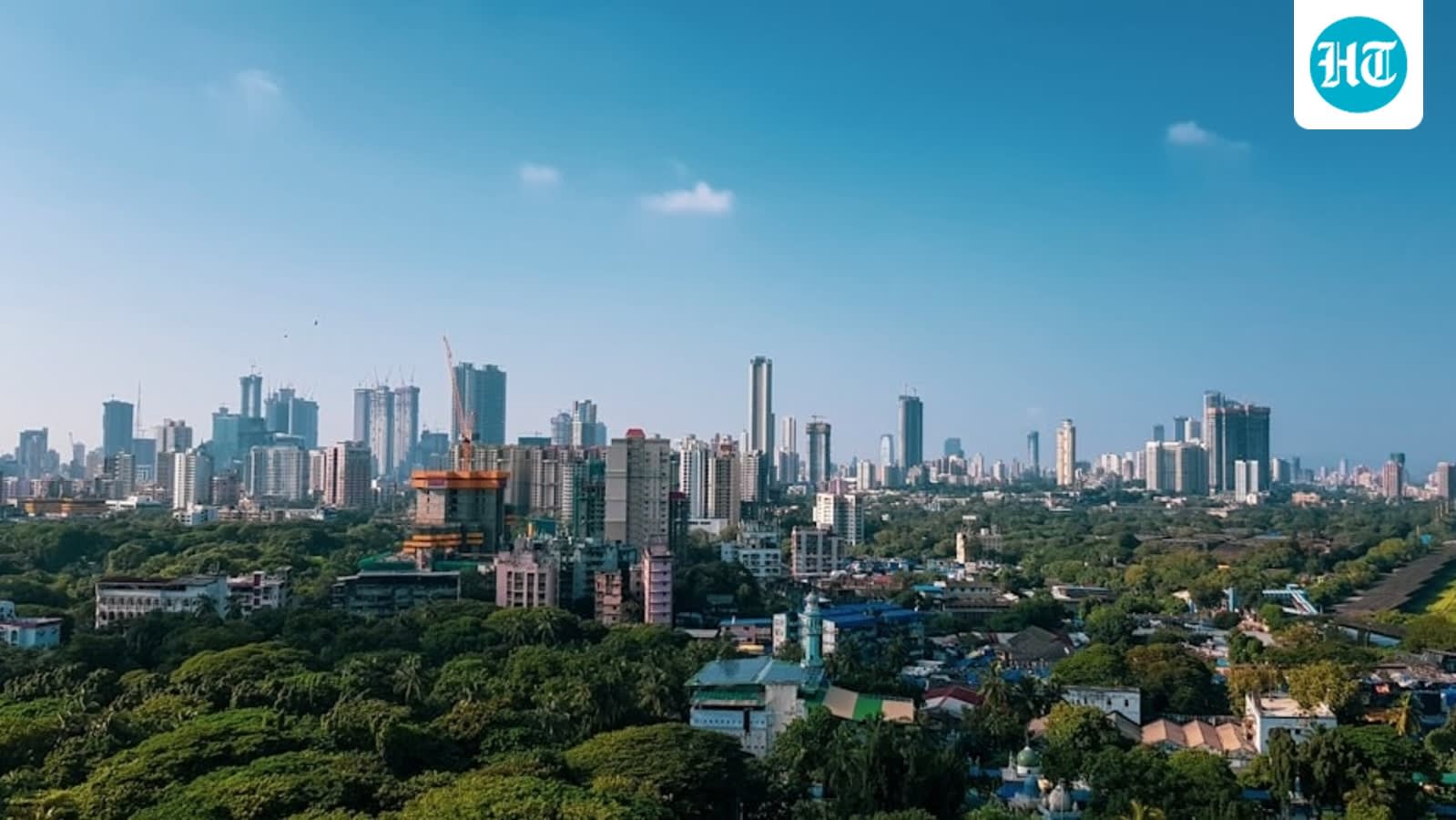
Wealth manager Kalyan Kumar Biswal has detailed his transition from Mumbai to Bhopal, citing superior affordability and quality of life. His comparison highlights the stark cost-of-living gap between India's financial hub and Tier-2 cities.
The Great Migration: Rethinking Life Beyond the Metro
The recent testimony of wealth manager and finance consultant Kalyan Kumar Biswal has ignited a significant public discourse regarding the viability of living in India’s bustling financial capital, Mumbai. By detailing his decision to relocate to Bhopal, Madhya Pradesh, Biswal has provided a granular look at the economic and personal trade-offs inherent in the choice between a primary metropolitan hub and a rapidly developing Tier-2 city.
The Economics of Relocation
At the heart of Biswal’s argument is the stark reality of housing affordability. He notes that a 2BHK apartment in a premium Bhopal society—complete with modern amenities like air conditioning, refrigeration, and furniture—can be secured for approximately ₹17,000 per month. In the context of Mumbai’s real estate market, where similar configurations often command exorbitant rents, this price point represents a transformative shift in disposable income potential for middle-class professionals.
Quality of Life and Work-Life Balance
Beyond the raw numbers of rent, Biswal points to qualitative factors that often escape traditional financial analysis. He highlights the reduction in traffic congestion and the accessibility of better food as primary drivers for his move. For many professionals who have spent years navigating the high-stress, high-commute lifestyle of Mumbai, the appeal of Bhopal lies in the reclamation of time—a resource that is often depleted by the infrastructural strains of megacities.
The Rise of Tier-2 Cities
Biswal’s narrative reflects a broader trend of professionals re-evaluating their career trajectories in the post-pandemic era. As remote work and digital infrastructure improve, the necessity of residing in a Tier-1 city is being questioned. Tier-2 cities like Bhopal are increasingly offering a competitive blend of modern lifestyle amenities and lower costs, making them viable hubs for those seeking to maximize their financial stability without sacrificing comfort.
Societal Implications and Future Trends
This shift suggests a potential decentralization of talent. If financial experts and consultants—who are typically the bellwethers of economic trends—begin to prioritize cost-of-living efficiency over the proximity to traditional corporate clusters, we may see a sustained migration pattern. This could lead to further investment in Tier-2 infrastructure, as these cities become more attractive to a demographic that values both professional output and personal well-being.
Conclusion
Kalyan Kumar Biswal’s experience serves as a case study for the modern Indian professional. By quantifying the benefits of his move, he challenges the long-held notion that success is intrinsically tied to a Mumbai address. As the cost of living in metros continues to rise, the migration to cities like Bhopal will likely remain a compelling strategy for those seeking a more sustainable and balanced future.
Multiple Citing Sources
Verification Required?