Gukesh turns up heat, Arjun finds form as India continue winning run at Olympiad
Source Entity
Mayank Chaudhary
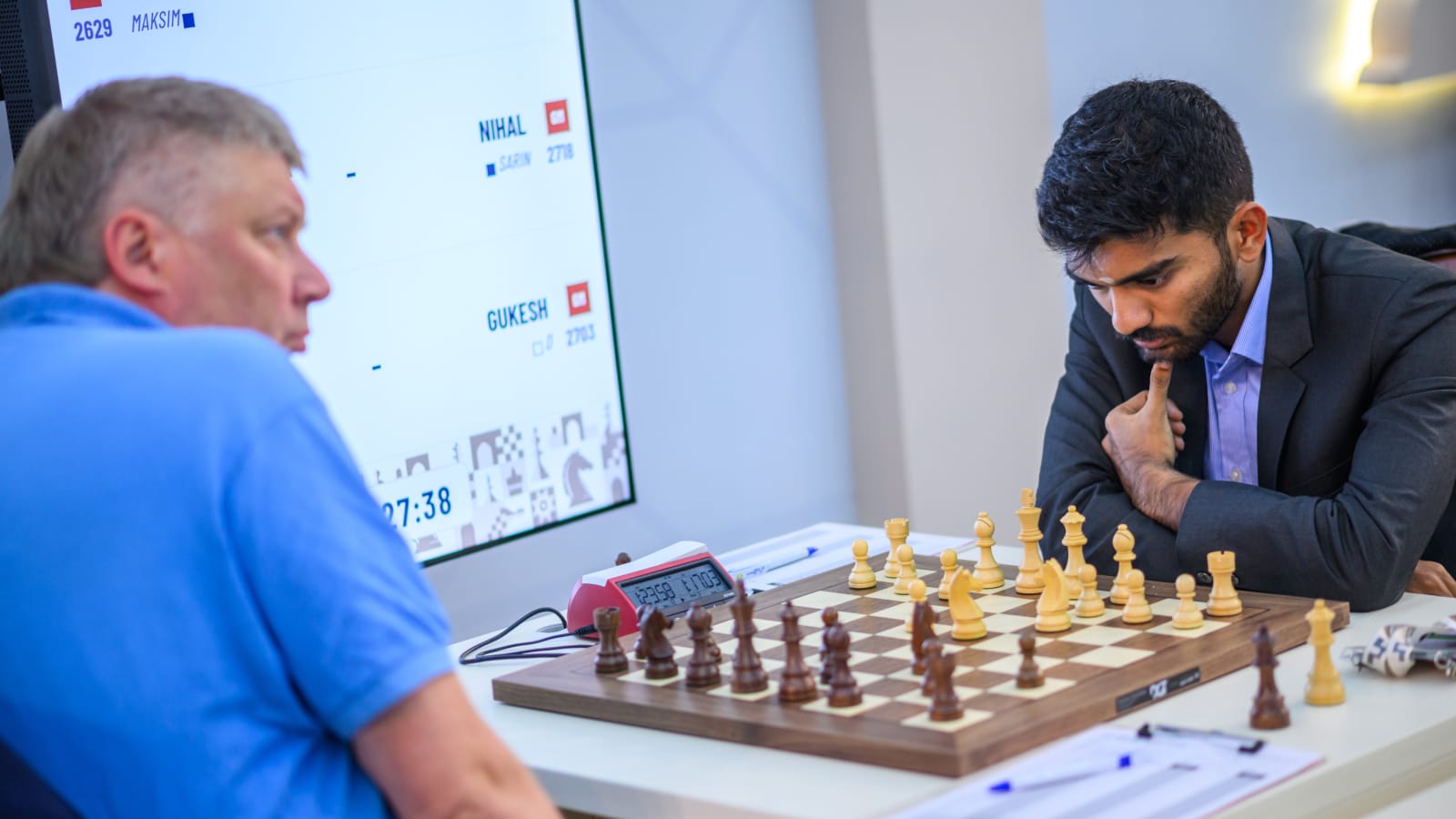
India's chess teams continue their dominant run at the 2026 Olympiad in Samarkand. Gukesh regained form after initial logistical challenges, while Koneru Humpy secured a key victory to maintain India's unbeaten status.
India’s Strategic Dominance at the 2026 Chess Olympiad
The 2026 Chess Olympiad in Samarkand, Uzbekistan, has become a theater of high-stakes drama and strategic brilliance for the Indian contingent. As the tournament progresses, the Indian teams—both open and women’s—have showcased remarkable resilience, maintaining unbeaten streaks that reaffirm their status as global powerhouses in the sport.
The Humpy-Tsolakidou Rivalry
One of the most compelling narratives of the tournament is the performance of the women's team. Koneru Humpy, a veteran of the game, faced Greece’s Stavroula Tsolakidou in a pivotal Round 3 match. This encounter carried significant weight, as Humpy sought redemption following recent setbacks in the Global Chess League. Her victory over the 'Greek Goddess' was not merely a point for the team; it was a psychological triumph that solidified India’s unbeaten run, showcasing the depth and mental fortitude of the top-seeded squad.
Gukesh and the Board Order Controversy
In the open section, the spotlight has been firmly on world champion D Gukesh. The decision to field Gukesh on Board 4—behind Praggnanandhaa, Arjun Erigaisi, and Nihal Sarin—initially sparked widespread debate. Gukesh clarified that the unorthodox placement was his own idea, a tactical decision aimed at maximizing the team's overall chances by leveraging the current form of his teammates. This move highlights a collective, rather than individualistic, approach to team management, orchestrated by captain Srinath Narayanan.
Overcoming Logistical Hurdles
Success at the Olympiad is rarely just about the pieces on the board; it is also about endurance. Gukesh openly addressed the physical toll of the tournament, citing a six-hour wait for hotel rooms upon arrival as a primary factor in teammate Arjun Erigaisi’s surprising opening-round loss. These logistical struggles highlight the immense pressure elite players face, where travel fatigue can directly impact performance in high-intensity matches.
Returning to Form
Following the initial shock of the opening round, Gukesh demonstrated his championship pedigree by defeating Italian grandmaster Sabino Brunello. This win was crucial, as it pushed his rating back above the 2700 threshold. For a player who has navigated a challenging 19-month period, this return to form is a significant milestone, suggesting that Gukesh is finding his rhythm just as the tournament enters its most critical phase.
Future Outlook
As the Olympiad continues, the Indian team’s ability to balance individual talent with strategic flexibility will be tested. By effectively managing internal form, addressing travel-related fatigue, and maintaining a focus on team-first objectives, India remains the clear favorite in Samarkand. The combination of seasoned veterans like Humpy and the tactical maturity of young champions like Gukesh positions India to potentially dominate the medal tally, provided they can sustain their current momentum.
Multiple Citing Sources