China may be a heavyweight, but India is no pushover
Source Entity
Latest News: Todays Latest News Headlines from India & World | Hindustan Times
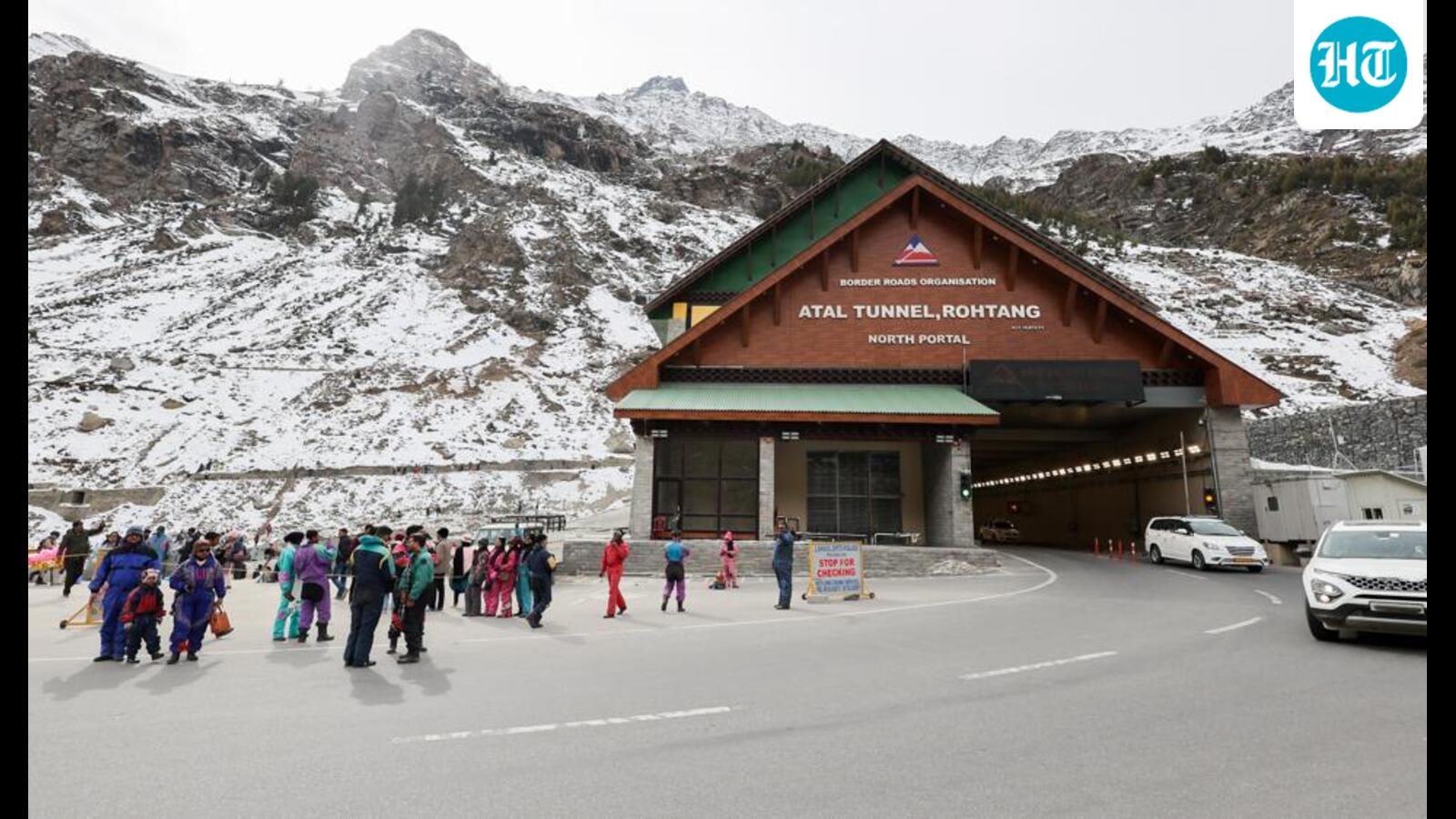
India has significantly fortified its border infrastructure along the Line of Actual Control to prevent a repeat of the 1962 conflict. Despite renewed political tensions and public anxiety over border integrity, the government maintains that national security remains intact.
The Evolution of India’s Himalayan Border Strategy
Historical Context: The Shadow of 1962
The collective memory of the 1962 Sino-Indian conflict continues to loom large over modern geopolitical discourse. That autumn, the breach of India’s northeastern frontiers represented a profound strategic setback that necessitated a complete overhaul of the nation's defense philosophy. For decades, the asymmetry in border infrastructure favored the People's Liberation Army, but the current strategic environment reflects a deliberate shift toward parity and readiness.
Infrastructure as a Deterrent
In the last decade, India has moved beyond reactive defense, focusing on the systematic hardening of the Line of Actual Control (LAC). The construction of engineering marvels like the Atal and Sela tunnels serves as a critical strategic pivot. By ensuring that supply lines remain operational during the harsh Himalayan winters, India has effectively neutralized the geographic disadvantages that previously hampered its logistics. These arteries allow for the rapid mobilization of troops and equipment, ensuring that forward bases are no longer isolated by seasonal weather patterns.
Navigating Modern Political Turbulence
While physical infrastructure has improved, the political landscape remains fraught. The resurgence of public discourse regarding incursions in the North East highlights the sensitivity of the border issue. The Union government has repeatedly affirmed the integrity of the frontier, yet the friction between government assurances, an inquisitive Opposition, and the proliferation of digital commentary underscores the complexities of managing national security in the age of information warfare.
The Information Asymmetry Gap
One of the most persistent hurdles in Sino-Indian relations is the lack of mutual understanding. The report suggests that Beijing’s historical tendency to operate behind a closed system has left the Chinese public largely unaware of India’s societal realities and democratic resilience. This 'iron curtain' effect complicates diplomatic normalization, as perceptions are often filtered through state narratives rather than grassroots cultural exchange.
Future Trends and Strategic Outlook
Looking ahead, the stability of the LAC will depend on India's ability to maintain its dual-track approach: military modernization and diplomatic clarity. As the region remains a focal point for global power dynamics, the focus will likely remain on continuous infrastructure expansion and the management of domestic political expectations. The challenge for New Delhi will be to balance its defensive posture with strategic patience, ensuring that border integrity is maintained without falling into the trap of reactionary policy-making driven by external pressure.
Verification Required?