India condemns Black Sea attack on vessel that killed Indian seafarer
Source Entity
Latest News: Todays Latest News Headlines from India & World | Hindustan Times | Hindustan Times
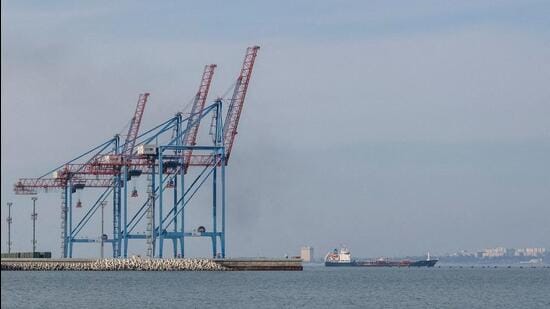
India has strongly condemned a fatal attack on the MV Omorfi in the Black Sea that claimed the life of an Indian seafarer. New Delhi has challenged Russian claims that the vessel was carrying military supplies, asserting it was transporting grain, while also monitoring separate security incidents involving Indian crew in Iranian waters.
Tensions Escalate in the Black Sea: The MV Omorfi Incident
On July 18, a significant maritime security incident occurred when the Marshall Islands-flagged bulk carrier MV Omorfi was struck while transiting the Black Sea. The vessel, which carried a crew of 10, including three Indian nationals, became the center of a diplomatic standoff after an attack resulted in the tragic death of an Indian seafarer. This event underscores the escalating dangers faced by merchant vessels operating in conflict-prone maritime corridors.
Diplomatic Friction and Conflicting Narratives
The incident has triggered a sharp diplomatic response from New Delhi. The Indian Ministry of External Affairs has officially condemned the attack and summoned a senior Russian diplomat to lodge a formal protest. The core of the diplomatic dispute lies in the nature of the MV Omorfi’s cargo. While the Kremlin has justified the strike by alleging the vessel was transporting military supplies for Ukraine, the Indian government has categorically rejected this, maintaining that the ship was carrying grain. This discrepancy highlights the complexities of verifying cargo in active war zones and the risks inherent in the militarization of shipping lanes.
Global Commerce and Maritime Security
The targeting of the MV Omorfi raises broader concerns regarding the safety of international maritime navigation. India’s call for upholding international obligations reflects a commitment to the principle of freedom of navigation, which is vital for the uninterrupted flow of global commerce. The Black Sea remains a volatile theater where commercial shipping is increasingly caught in the crossfire of geopolitical maneuvers, threatening the food and energy security of nations dependent on these trade routes.
High-Level Interventions
External Affairs Minister S. Jaishankar has taken the issue directly to his Russian counterpart, Sergey Lavrov, emphasizing the gravity of targeting civilian vessels and the loss of Indian lives. Such high-level engagement reflects the importance India places on the safety of its citizens serving in the global merchant navy. The Indian government’s proactive stance is a signal that it will not remain silent when the lives of its nationals are compromised by foreign state actions.
Patterns of Regional Instability
The vulnerability of Indian seafarers is further illustrated by reports of an attack on the LPG tanker DISHA in Iranian waters. While the crew remained safe in that instance, the proximity of these events suggests a pattern of increased risk for Indian maritime personnel across multiple volatile regions. These incidents necessitate a re-evaluation of security protocols for merchant vessels and a more robust diplomatic framework to protect non-combatant maritime workers.
Conclusion and Future Outlook
The tragic loss of life on the MV Omorfi serves as a stark reminder of the human cost of the ongoing regional conflicts. As India continues to demand accountability, the international community must address the urgent need for secure corridors for commercial shipping. Moving forward, the protection of seafarers and the preservation of objective, non-military trade routes will be critical in preventing further escalation and ensuring that global supply chains remain resilient against geopolitical shocks.
Multiple Citing Sources
Verification Required?