India calls for de-escalation after Black Sea ship attacks
Source Entity
Shubhajit Roy
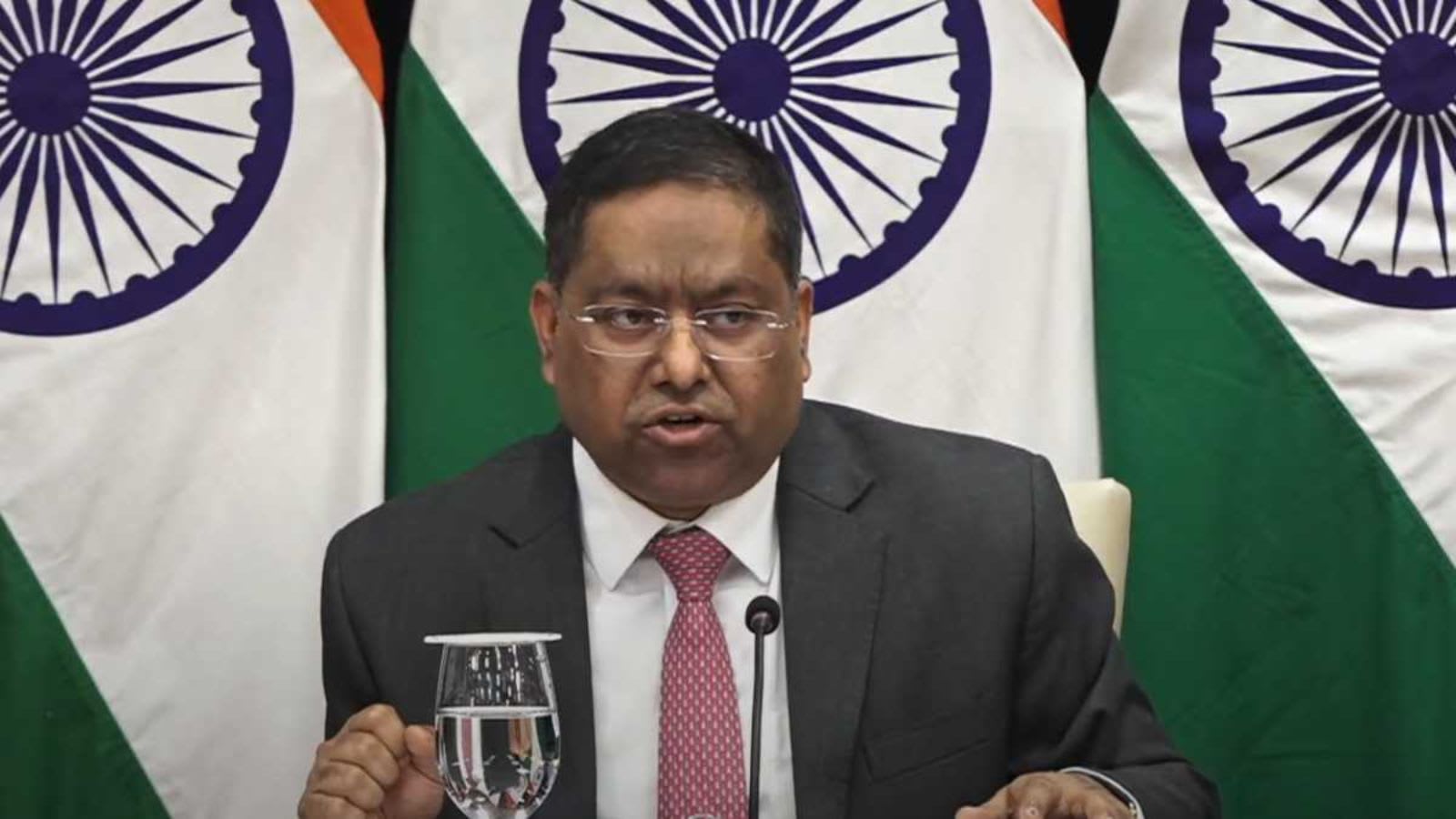
India has strongly condemned the recent surge in attacks on commercial vessels in the Black Sea, which have endangered Indian seafarers. Prime Minister Narendra Modi and the MEA are advocating for urgent de-escalation and the restoration of a secure, rules-based maritime order.
India Condemns Escalating Maritime Threats in the Black Sea
A Crisis for Global Shipping
Recent developments in the Black Sea have prompted a firm response from the Indian government, as a string of attacks on commercial vessels has directly jeopardized the safety of the global seafaring community, including numerous Indian nationals. In a span of less than 36 hours, four commercial ships were reportedly targeted, signaling a dangerous escalation in a region already fraught with geopolitical tension. The Ministry of External Affairs (MEA), through spokesperson Randhir Jaiswal, has issued a formal condemnation of these acts, labeling the targeting of civilian vessels as an unacceptable threat to international commerce.
India’s Diplomatic Stance
The Indian government’s position remains anchored in the principles of dialogue and diplomacy. By calling for an immediate cessation of hostilities against commercial shipping, New Delhi is emphasizing the critical need to preserve the sanctity of international waterways. The MEA has confirmed that it is actively monitoring the situation and providing necessary assistance to affected Indian citizens, highlighting the government’s commitment to the welfare of its diaspora working in high-risk maritime zones.
The Vision for a Secure Maritime Order
Prime Minister Narendra Modi has reinforced this stance by advocating for a free, open, secure, and rules-based maritime order. In his address to the Great Oceans Dialogue in New Delhi, the Prime Minister articulated the philosophy that oceans serve as connectors rather than dividers, suggesting that regional conflicts must not be allowed to fracture the global supply chain. This vision promotes a collaborative approach to maritime security, where the stability of sea lanes is treated as a collective responsibility rather than a localized concern.
Interconnected Security and Economic Stability
The broader implications of these attacks extend far beyond the immediate damage to vessels. As noted by Chief of Naval Staff Admiral Krishna Swaminathan, there is an intrinsic link between national security and economic stability. When commercial shipping lanes are compromised, the ripple effects are felt globally, disrupting energy supplies, food security, and trade logistics. The Indian leadership is underscoring that the disruption of these vital arteries threatens the economic prosperity of nations far removed from the physical conflict zone.
The Path Toward De-escalation
Moving forward, India’s calls for a ceasefire and a return to diplomatic engagement reflect a desire to prevent the Black Sea from becoming a permanent war zone. The strategy relies on fostering international consensus regarding the protection of civilian infrastructure at sea. By leveraging its diplomatic influence, India aims to encourage all stakeholders to respect international laws that protect non-combatant vessels, ensuring that the global maritime order remains resilient against localized geopolitical volatility.
Conclusion
The current crisis in the Black Sea serves as a stark reminder of the fragility of global maritime logistics. India’s proactive condemnation and its advocacy for a secure, rule-based order highlight the nation's growing role as a voice for maritime stability. As the situation evolves, the focus remains on ensuring the safety of seafarers and the restoration of unimpeded navigation, which are essential for maintaining global economic and social equilibrium.