Eight varieties of pharmaceutical ingredients worth ₹3.54 lakh seized in TG SAFE raid at Ameenpur firm
Source Entity
India Latest News: Top National Headlines Today & Breaking News | The Hindu
Authorities in Telangana and West Bengal have launched crackdowns on the illegal distribution of pharmaceutical ingredients and adulterated substances. These operations highlight a growing concern over the diversion of controlled drugs and chemicals into illicit markets.
Crackdown on Illicit Chemical and Pharmaceutical Distribution
Recent enforcement actions across India, specifically in Telangana and West Bengal, have underscored a growing systemic challenge in regulating the supply chain of controlled substances. From the adulteration of traditional beverages to the large-scale diversion of prescription-grade cough syrups, state authorities are intensifying their efforts to dismantle networks that exploit pharmaceutical loopholes for illicit profit.
Adulteration in the Toddy Trade
In Telangana, the Malkajgiri Excise Department conducted multiple raids targeting the illegal use of chloral hydrate in toddy. The seizure of 25 kg of this sedative—a chemical often used to artificially heighten the intoxicating effects of the beverage—demonstrates a dangerous trend in consumer goods tampering. By destroying 264 litres of adulterated toddy, officials have prevented significant public health risks, as chloral hydrate can cause severe adverse reactions when consumed in uncontrolled settings.
Pharmaceutical Regulatory Oversight
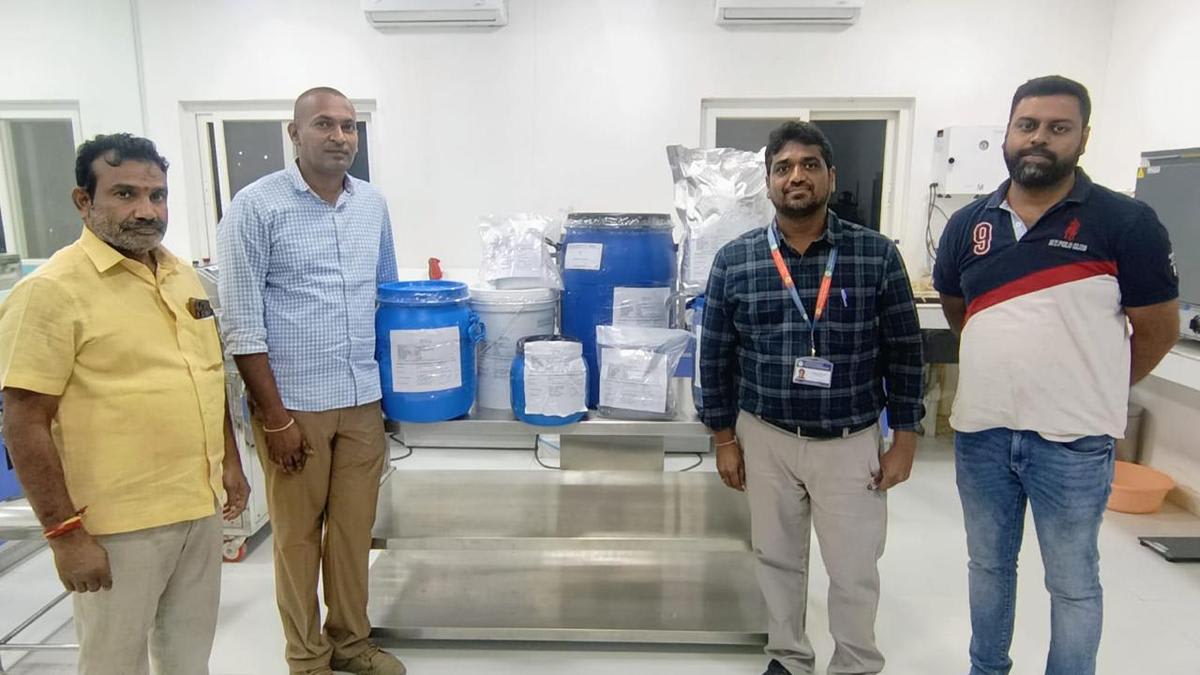
Simultaneously, the Telangana Standards Authority for Food and Essential Drugs (TG SAFE) has clamped down on unauthorized pharmaceutical operations. The seizure of Active Pharmaceutical Ingredients (APIs) worth ₹3.54 lakh from Neocell Biotechnologies in Sangareddy district highlights the critical need for strict compliance with licensing protocols. Operating without valid drug licenses poses a severe threat to the integrity of the medical supply chain, as these raw materials could potentially be diverted into the manufacture of substandard or illicit medication.
The Cross-Border Diversion Crisis
Perhaps most concerning is the investigation into the movement of codeine-based cough syrups toward the West Bengal-Bangladesh border. Investigators have flagged a massive discrepancy: a Panipat-based firm supplied ₹64 crore worth of medicine to West Bengal, with ₹44 crore attributed to cough syrup sales that lacked any supporting prescriptions. This suggests a sophisticated diversion network where legitimate pharmaceutical products are funneled into the black market for narcotic use.
Broader Implications and Future Trends
These events indicate that the illicit drug trade is increasingly leveraging legitimate pharmaceutical infrastructure to mask its activities. Whether through the direct diversion of APIs or the misuse of prescription-based medications, the lack of digital oversight and rigorous auditing of stockists is a major vulnerability. As law enforcement agencies continue to uncover these patterns, we can expect a shift toward stricter, more granular tracking of pharmaceutical distribution channels.
Conclusion
These coordinated enforcement actions reflect a proactive stance by state authorities to protect public health and maintain law and order. By targeting the source of these illicit supply chains—from the chemical suppliers in industrial parks to the distribution hubs in border districts—regulators are attempting to close the gaps that allow controlled substances to enter the illicit market. Moving forward, sustained vigilance and inter-state cooperation will be essential to mitigating these complex threats.
Multiple Citing Sources
Verification Required?