Behind the 200-run deluge vs West Indies: India’s crumbling defensive mechanism
Source Entity
Venkata Krishna B
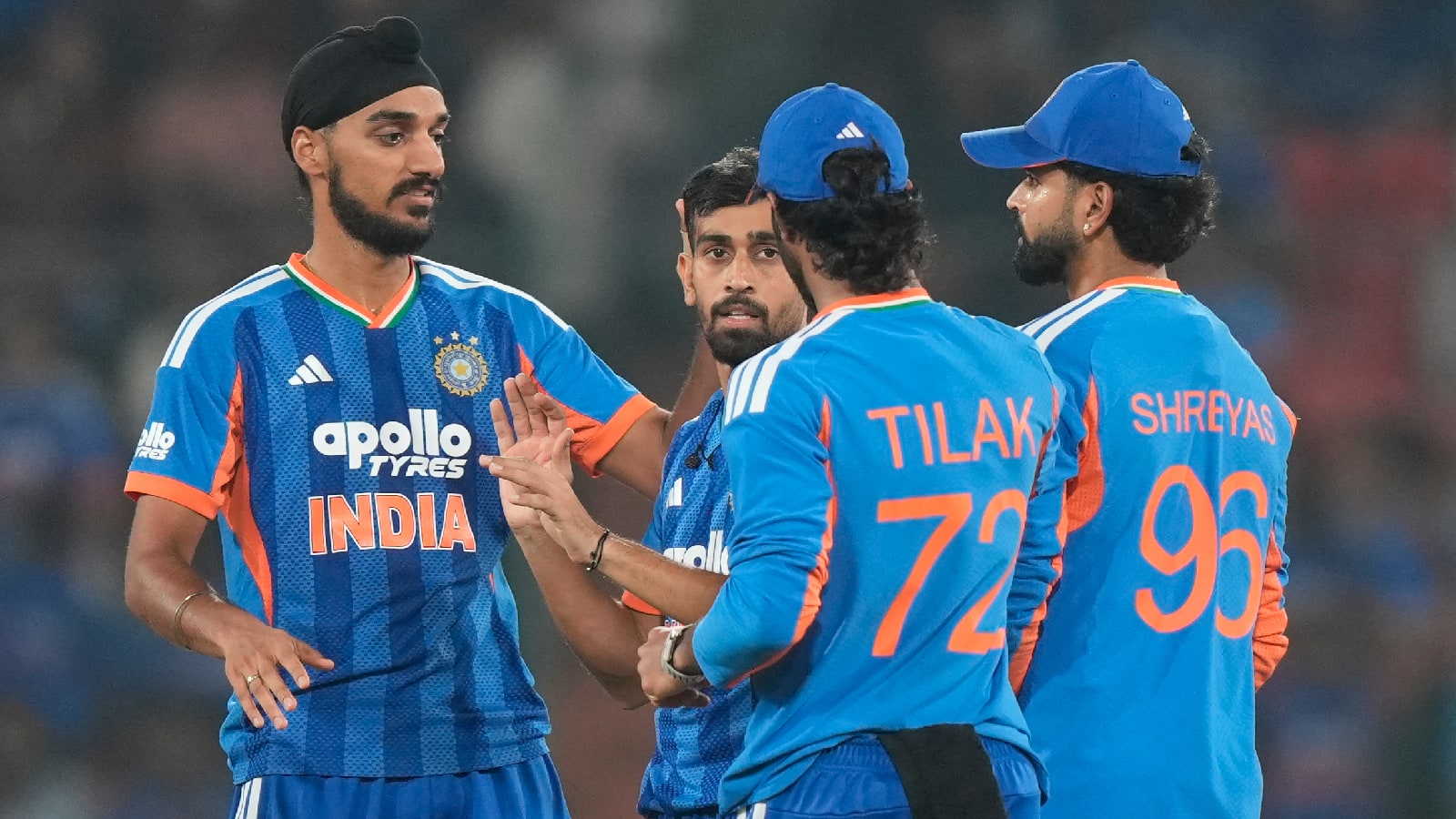
India's cricket team is facing a significant tactical crisis as their bowling attack struggles to contain West Indies power-hitters on flat, high-scoring pitches. Captains Shubman Gill and Shreyas Iyer have highlighted a lack of defensive clarity that has led to repeated 200-plus run concessions.
The Tactical Crisis Facing India's Bowling Attack
Recent high-scoring encounters against the West Indies have exposed a worrying lack of defensive cohesion within the Indian cricket team. Following the conclusion of the ODI series and the subsequent T20I matches, it has become evident that Indian bowlers are struggling to adapt to surfaces that offer little assistance. Captain Shubman Gill’s frank assessment reveals a team caught in a state of tactical hesitation, unable to decide whether to prioritize defensive discipline or aggressive wicket-taking when confronted with power-hitters.
The Impact of Flat Decks and Power-Hitting
The fundamental issue lies in the combination of "flat decks" and the West Indies' reliance on "long levers." When pitches lack movement or turn, the margin for error for bowlers narrows significantly. As observed in the series, when opponents are allowed to dictate terms, the Indian bowling unit has shown a lack of clarity in execution. This indecision has frequently allowed the West Indies to capitalize on favorable conditions, turning competitive matches into high-scoring shootouts that disadvantage the chasing side.
Analyzing the T20I Defensive Breakdown
The T20I series has underscored the severity of these defensive shortcomings. With the exception of the opening match where the West Indies were restricted to 171, the following three fixtures saw the opposition consistently breach the 200-run mark. The most alarming incident occurred in Ranchi, where, despite India setting a formidable target of 249/5, the bowling attack failed to defend the total, allowing the West Indies to chase it down with nine balls to spare.
Leadership Challenges for Gill and Iyer
Both Shubman Gill, in the ODI format, and Shreyas Iyer, leading the T20I side, are navigating this period of transition with immense pressure on their respective bowling units. The admission from Gill regarding the lack of tactical clarity is a rare, candid insight into the internal struggles of the squad. As the series moves to Bengaluru, Iyer faces the daunting task of recalibrating his bowlers' mindset to ensure they can execute under extreme pressure, rather than being overwhelmed by the opposition's momentum.
Broader Implications and Future Trends
This trend of conceding 200+ totals is a significant concern for the management as they look toward future international tournaments. If India’s primary defensive mechanism remains fragile on batting-friendly surfaces, they risk being outplayed by aggressive, power-hitting teams in global events. The ability to switch between defensive containment and attacking strategies is a hallmark of elite bowling units; currently, the Indian team is finding this transition difficult to implement.
Conclusion: The Path Toward Tactical Maturity
As the series reaches its climax in Bengaluru, the focus will remain squarely on whether the bowlers can find the composure to execute their plans. The current deluge of runs highlights an urgent need for better field placements, improved bowling variations, and, most importantly, a unified strategic approach. Addressing these defensive lapses is not merely about surviving the current series, but about building the tactical resilience required to compete at the highest level of modern, high-scoring cricket.