SA drop Stubbs after Durban drubbing; call up Breetzke and eye Rabada return
Source Entity
SHUBHANSHU DWIVEDI
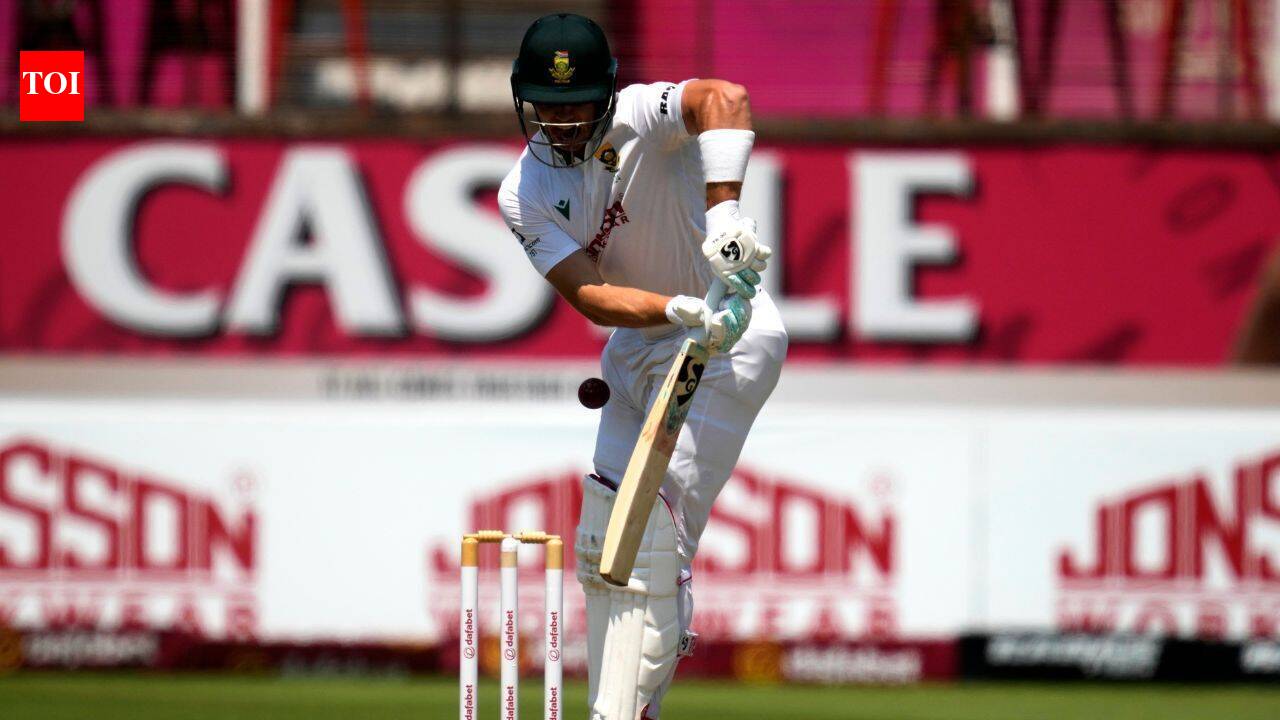
South Africa has dropped Tristan Stubbs following a heavy loss to Australia in the Durban Test. The team is reshuffling its batting lineup and appointing Ryan Rickelton as wicketkeeper ahead of the upcoming match.
Strategic Shake-up: South Africa Responds to Durban Defeat
The South African national cricket team is undergoing a significant tactical transition following a disappointing performance in the first Test match against Australia in Durban. The decision to drop Tristan Stubbs highlights the team management’s urgency to address structural vulnerabilities exposed during the recent 'Durban drubbing.' By removing a player who struggled to find form against the Australian attack, the selectors are signaling a clear intent to prioritize consistency and defensive resilience in the middle order.
Tactical Realignment and Batting Order Adjustments
Coach Conrad’s confirmation of a batting order reshuffle suggests that South Africa is attempting to mitigate the top-order collapse that plagued them in the opening fixture. The inclusion of Breetzke indicates a fresh approach, likely aimed at stabilizing the innings against a potent Australian bowling lineup. This strategic pivot is essential, as the team looks to recover from the psychological blow of the first Test and establish a more competitive baseline for the remainder of the series.
The Wicketkeeping Transition
Central to the team's evolution is the appointment of Ryan Rickelton as the designated wicketkeeper. This transition is not merely a change of personnel but a tactical adjustment intended to optimize the balance of the squad. By placing the gloves in the hands of a player trusted to provide stability, the team aims to improve their overall fielding efficiency and potentially add depth to their batting lineup, which has been a point of concern throughout the current series.
Anticipating the Return of Key Personnel
Adding to the narrative of change is the potential return of Kagiso Rabada. As a premier fast bowler, Rabada’s presence is crucial for South Africa’s ability to challenge the Australian batters. His return would provide the necessary firepower to exploit conditions at the upcoming venue, offering a much-needed boost to an attack that struggled to make significant inroads in Durban. His reintegration is viewed as a pivotal moment for the team’s bowling strategy.
Broader Implications for the Series
These rapid changes reflect the high-stakes environment of international Test cricket, where a single defeat can prompt immediate and drastic corrective measures. The upcoming match on Sunday represents a critical juncture; a successful implementation of these tactical shifts could swing the momentum back in South Africa's favor. Conversely, failure to adapt effectively could leave the hosts at a disadvantage, putting immense pressure on the management to justify their selection policies during a high-profile series.
Future Trends in Selection
Looking forward, this series serves as a litmus test for the current management's long-term vision. The willingness to drop established players and introduce new talent demonstrates a commitment to performance-based selection. If these changes yield positive results in the second Test, it will likely set a precedent for a more fluid and performance-oriented squad selection process, ensuring that the team remains competitive against elite global opposition in the long run.