116 runs, 8 innings: Rohit, Kohli end disaster New Zealand tour with near all-time lows
Source Entity
The Indian Express
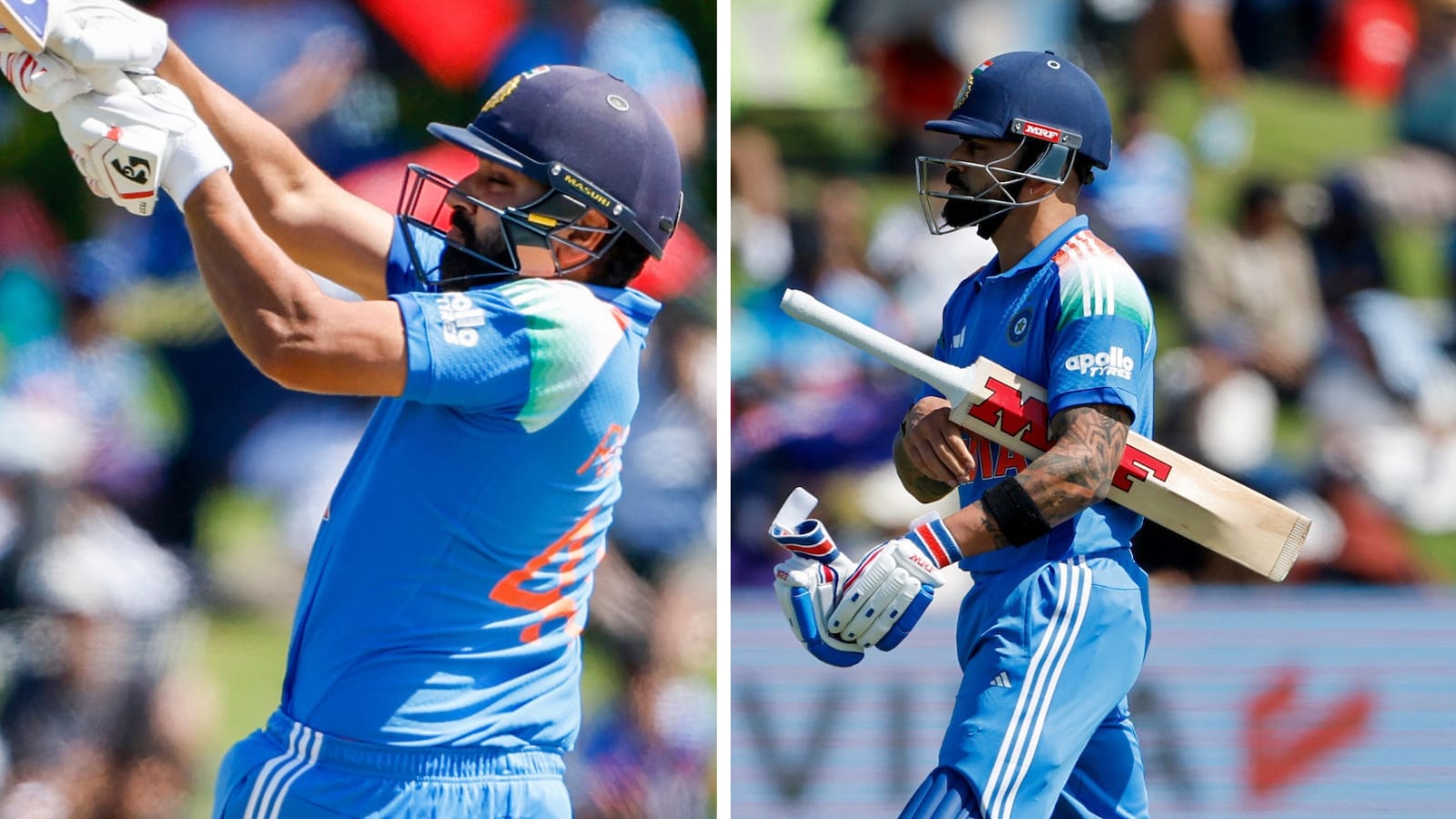
India's top-order batting lineup suffered a disastrous series finale against New Zealand, marked by psychological pressure and poor technique. The collective failure of veterans Rohit Sharma and Virat Kohli raises significant concerns for India's long-term ODI strategy.
A Psychological and Technical Collapse in Mount Maunganui
The recent conclusion of India's ODI tour of New Zealand at Mount Maunganui has been characterized as a "capitulation," marking a low point for the national side. The imagery captured on the field—Rohit Sharma’s visible frustration, Virat Kohli’s anger, and the hollow expressions of players like Ruturaj Gaikwad and Shreyas Iyer—reflects a team struggling not just with the ball, but with intense internal pressure. This performance, labeled "Capitulation Part Two," highlights a systemic failure to adapt to the conditions and the psychological toll of mounting expectations.
The Failure of the Heavyweights
Central to this disappointment is the form of stalwarts Rohit Sharma and Virat Kohli. Over the course of the tour, their combined output was abysmal, with Sharma managing only 30 runs across four innings and Kohli totaling 86. The failure to survive the Powerplay in consecutive matches against the New Zealand pace attack, particularly Matt Henry and Matt Fisher, underscores a lack of technical resilience. For players of their stature, the inability to navigate the opening overs has become an alarming trend that ripples through the rest of the batting order.
Mental Barriers and Shot Selection
Reports suggest that the primary "enemy" for the Indian team was not the pitch, nor the movement of the ball, but their own mindset. The anxiety built up from previous failures led to a cascade of technical errors: hard hands, heavy feet, and impulsive shot selection. Shreyas Iyer’s struggle with the short ball and the team's collective haste to "atone" for past mistakes suggests a squad paralyzed by the fear of failure, leading to a loss of the composure required at the international level.
Strategic Implications for the Future
The aftermath of this tour forces a hard look at India’s future as they eye the 2027 ODI World Cup in South Africa. The heavy reliance on an aging top order that is currently struggling to find rhythm against disciplined bowling attacks is a major tactical concern. With the current lineup failing to provide a solid foundation, the team management is faced with the difficult task of balancing the legacy of their senior stars with the urgent need for a transition to more resilient, adaptable younger talent.
A Defining Moment for Transformation
This series serves as a harsh reality check for Indian cricket. The internal friction—manifested by players staring at their bats or shutting their eyes to replays of their dismissals—indicates a need for a psychological reset. Moving forward, the focus must shift from merely selecting the biggest names to cultivating a batting unit that can withstand the pressure of high-stakes bilateral series. The collapse in New Zealand is not just a statistical anomaly; it is a signal that the current approach to ODI batting requires a fundamental evolution to remain competitive on the global stage.