Munich Security Conference CEO Benedikt Franke: ‘India has said right things for years… not often lent its weight… It’s finally walking the talk’
Source Entity
Shubhajit Roy
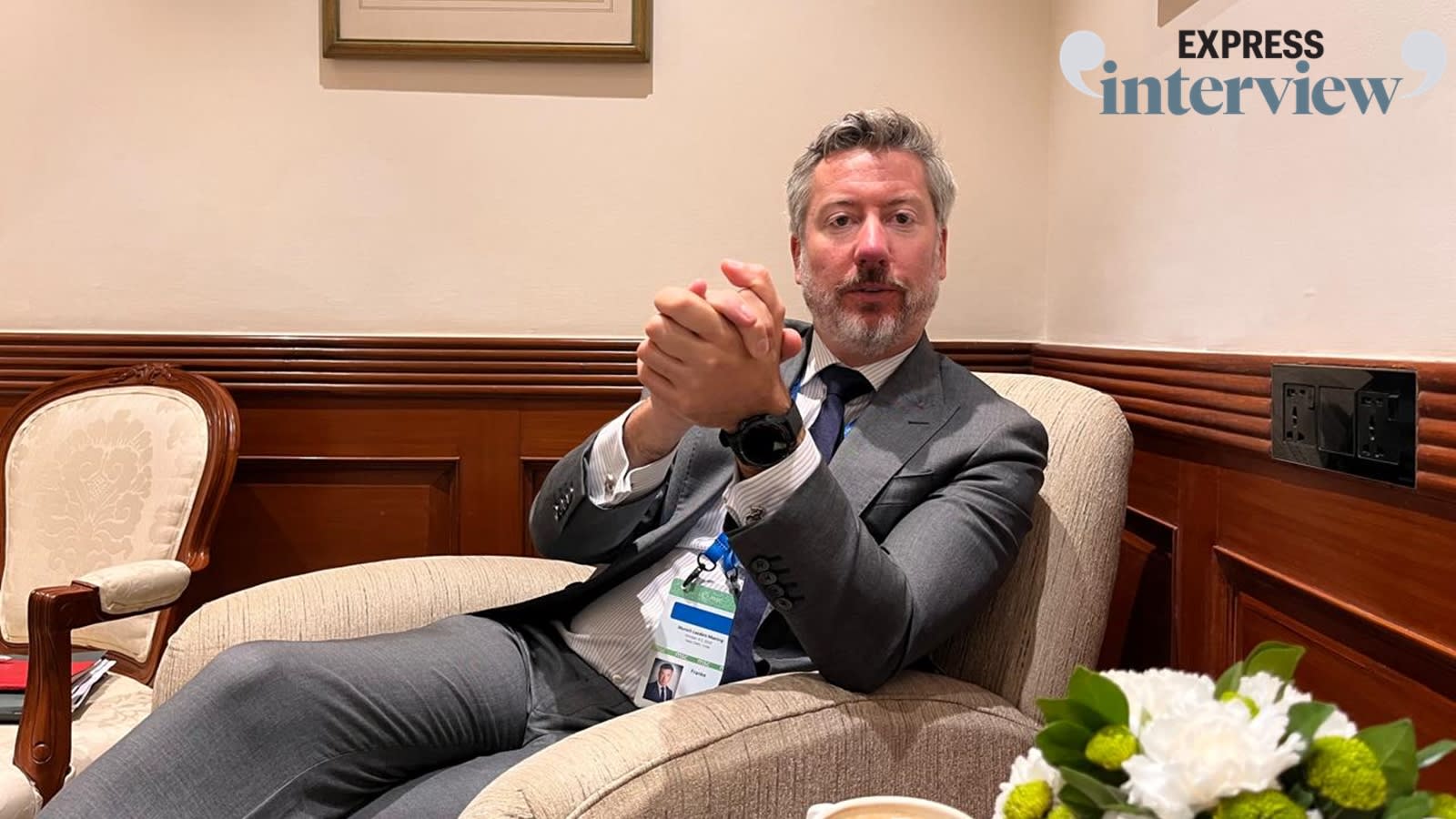
Finland's Ambassador to India and the Munich Security Conference CEO have lauded India's proactive diplomatic efforts regarding the Russia-Ukraine conflict. Both officials emphasize that India's increased engagement is vital for global stability and necessary reforms in international institutions.
India’s Evolving Role in Global Diplomacy
The geopolitical landscape is currently witnessing a significant shift as India moves from a traditional stance of non-alignment to a more proactive role in international conflict resolution. Recent statements from Finland’s Ambassador to India, Mikko Kivikoski, and the CEO of the Munich Security Conference, Benedikt Franke, underscore a growing consensus among Western partners that India is now 'walking the talk' regarding the Russia-Ukraine war. This transition represents a departure from India’s historical policy of merely advocating for dialogue, signaling instead a willingness to utilize its diplomatic weight to facilitate a cessation of hostilities.
The Necessity of Strategic Partnerships
Ambassador Kivikoski highlights a fundamental reality of modern statecraft: the impossibility of achieving strategic autonomy in isolation. His assertion that nations require strong partners to navigate global turbulence reflects Finland’s own recent foreign policy pivot following its accession to NATO. By framing the Ukraine conflict as a situation where international actors must collectively incentivize Russia to return to the negotiation table, Finland is advocating for a multilateral approach that places India at the center of the diplomatic effort.
Moving Beyond Rhetoric to Action
Benedikt Franke’s assessment of India’s current trajectory suggests that the international community has long anticipated this level of engagement. For years, India has articulated the necessity of peace, but its recent proposals to end the war in Ukraine indicate a transition toward active mediation. This shift is viewed as a crucial development, as India maintains unique channels of communication with both the Western bloc and Moscow, allowing it to bridge divides that have paralyzed other global powers.
Addressing Structural Global Challenges
Beyond the immediate crisis in Ukraine, the discourse surrounding India’s role also touches upon the urgent need for systemic reform. Ambassador Kivikoski points to the stagnation of the India-Middle East-Europe Economic Corridor (IMEC) and the critical requirement to reform the UN Security Council. These issues represent the broader challenge of adapting 20th-century institutions to 21st-century realities. As protectionism rises—notably from major powers like the United States—the importance of robust, alternative economic and security corridors becomes increasingly paramount.
Future Trends and Strategic Outlook
Looking ahead, the collaboration between India and European partners is likely to deepen as they seek to counter the effects of isolationist policies and regional conflicts. The transition from passive observation to active participation in global security architecture marks a new chapter for Indian foreign policy. If India continues to successfully leverage its relationships to bring warring parties closer to the table, it will solidify its position as an indispensable global mediator capable of navigating the complex interests of both the Global North and the Global South.
Conclusion
In summary, the recognition by European diplomatic leaders of India’s 'active' role marks a pivotal moment in international relations. While the challenges—ranging from energy dependence to the complexities of the UN reform process—remain formidable, the alignment between India’s diplomatic actions and the expectations of its partners suggests a future where India’s influence in conflict resolution and global governance will only continue to expand.
Multiple Citing Sources