US-Iran war, Trump tariff threat: Why India can't take its high growth for granted
Source Entity
SMRITI JAIN
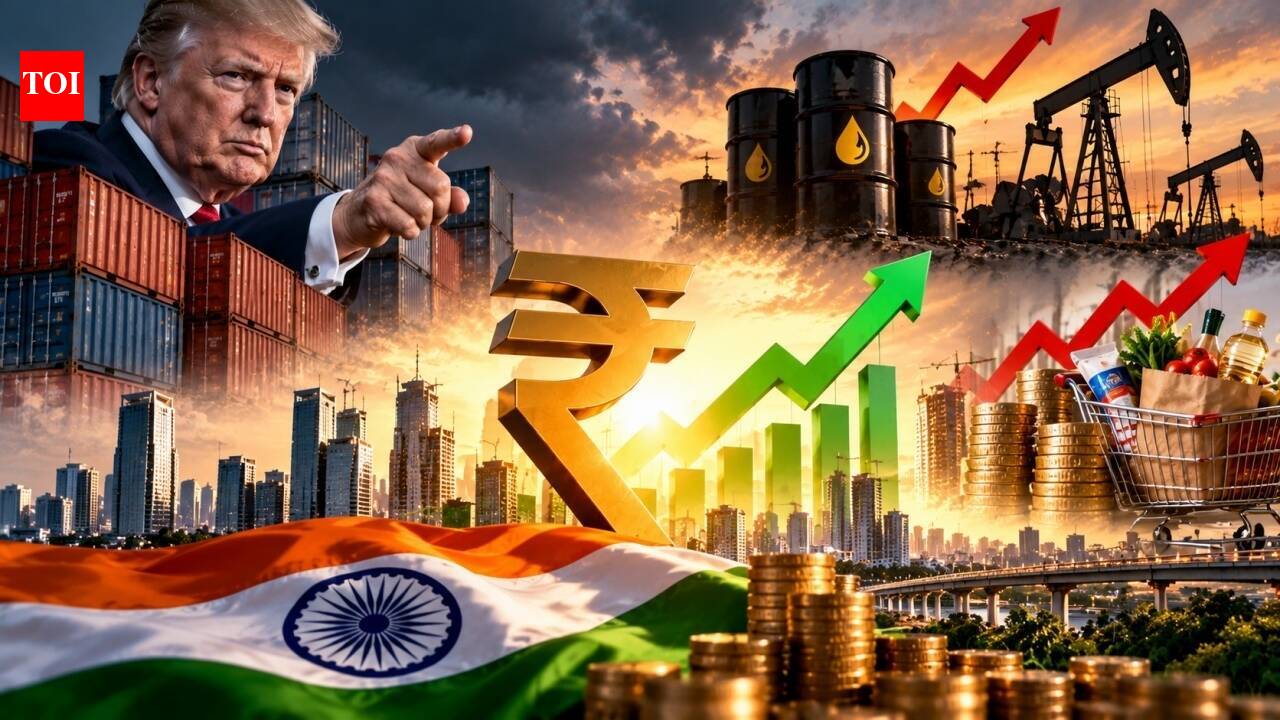
India's robust economic growth faces significant headwinds from rising global oil prices and unfavorable international market conditions. The Finance Ministry cautions that despite recent performance, external risks like geopolitical instability and bond yield volatility threaten future stability.
India’s Economic Resilience at a Crossroads
India has demonstrated remarkable economic fortitude in recent quarters, with Q1 FY27 marking the highest first-quarter growth rate in four years. This performance has been anchored by strong domestic demand and a resilient manufacturing sector. However, the Department of Economic Affairs has issued a sobering reminder that this momentum is increasingly vulnerable to a rapidly shifting global landscape that is turning decidedly unfavorable.
The Shadow of Geopolitical Instability
The specter of a potential US-Iran conflict looms large over global energy markets, acting as a primary catalyst for economic uncertainty. Geopolitical friction in the Middle East historically disrupts supply chains and creates panic-buying in oil markets. For a net importer of crude oil like India, these tensions are not merely external noise but direct threats to fiscal health, as they exert immediate upward pressure on import bills and domestic inflation metrics.
The Impact of Soaring Energy Costs
Perhaps the most pressing concern highlighted by the Finance Ministry is the sustained elevation of crude oil prices. Should prices remain consistently above $100 per barrel, India faces a dual-pronged crisis: a worsening current account deficit (CAD) and a resurgence in headline inflation. Higher energy costs effectively function as a tax on the Indian consumer and industry alike, eroding disposable income and increasing the cost of production, which threatens to dampen the very growth story that has defined the last few years.
Financial Market Volatility and Bond Yields
Beyond energy, global financial conditions have tightened significantly. Global bond yields have moved sharply higher and continue to climb, reflecting a "higher-for-longer" interest rate environment in developed economies. This trend typically triggers capital outflows from emerging markets like India as investors seek safer, high-yield assets in the West. This liquidity squeeze places additional pressure on the Indian Rupee and complicates the Reserve Bank of India’s monetary policy maneuvering.
The Policy Imperative for Stability
While the Finance Ministry continues to highlight India’s inherent economic strength, the underlying message is clear: complacency is a luxury the nation cannot afford. The narrative of high growth is contingent upon navigating these external headwinds with fiscal prudence. Future growth trends will likely depend on India’s ability to insulate its domestic demand from these global shocks through strategic reserves and diversified supply chains.
Conclusion: Navigating the Rough Waters
In summary, while India’s internal economic metrics remain promising, the external environment is becoming increasingly hostile. The confluence of high oil prices, volatile bond yields, and the threat of regional conflict necessitates a proactive policy approach. India's ability to maintain its growth trajectory will depend on how effectively it mitigates these external risks while continuing to foster the domestic investment climate that has fueled its recent success.