India needs to change how it thinks about energy
Source Entity
Pratik Agarwal
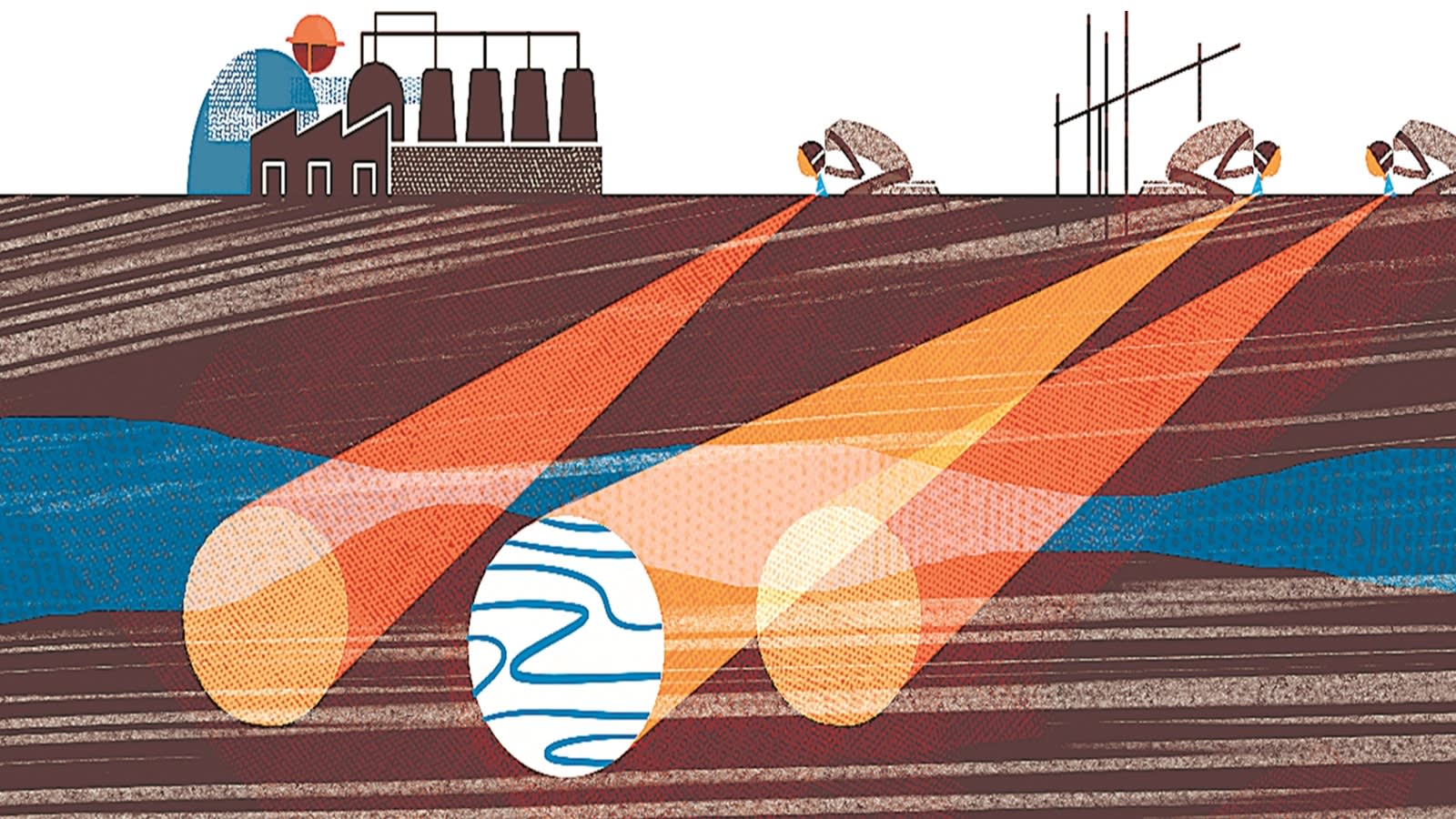
India is transitioning from a focus on raw energy production to a complex system of optimization. This shift requires integrating diverse sources like solar, hydro, and coal into a flexible, balanced grid.
The Paradigm Shift in India's Energy Landscape
India is currently navigating a fundamental transformation in its energy sector, moving away from the traditional, siloed approach of the past. For decades, the national priority was straightforward: increasing total energy production. Policymakers viewed coal, oil, gas, nuclear, and renewables as independent streams, each managed within its own isolated ecosystem. This linear strategy served the country during periods of high demand growth and limited infrastructure, but it is no longer sufficient for the modern era.
From Volume to Optimization
The core challenge for India has shifted from simply generating more energy to optimizing a highly complex, interconnected grid. In the past, energy planning was focused on capacity expansion, but today’s challenge lies in managing the variability of an increasingly green energy mix. As the grid integrates more intermittent sources, the intrinsic value of a unit of electricity fluctuates significantly based on its timing and source.
The Interplay of Energy Sources
Modern grid management now requires a sophisticated dance between different power generation methods. For instance, solar power generated at noon carries a vastly different economic and operational value compared to hydro power, which is essential for meeting evening peak demands. To maintain stability, the system must now rely on a synergy between batteries, pumped storage, and gas turbines to balance the inherent fluctuations of renewable energy generation.
The Changing Role of Conventional Power
Even traditional energy stalwarts are adapting to this new landscape. Nuclear power remains a vital source of steady baseload energy, providing the necessary foundation for the grid. Meanwhile, coal, which was once prized primarily for its sheer volume of output, is now increasingly utilized as a source of operational flexibility. This transition marks a departure from coal serving as a constant, rigid provider to it acting as a buffer that helps manage the peaks and troughs of the broader energy system.
Future Implications and Conclusion
This transition signifies a move toward a holistic, systems-thinking approach to national energy policy. As India continues to integrate diverse energy sources, the ability to orchestrate these assets in real-time will define the nation's energy security. By recognizing that every source plays a unique role at different times of the day, India is setting the stage for a more resilient, efficient, and sustainable power infrastructure that can meet the demands of a growing economy.